
4 Months After Hair Transplant: What to Expect
What should you expect 4 months after a hair transplant? Learn about growth, shedding, density, and how to support your results at this stage.
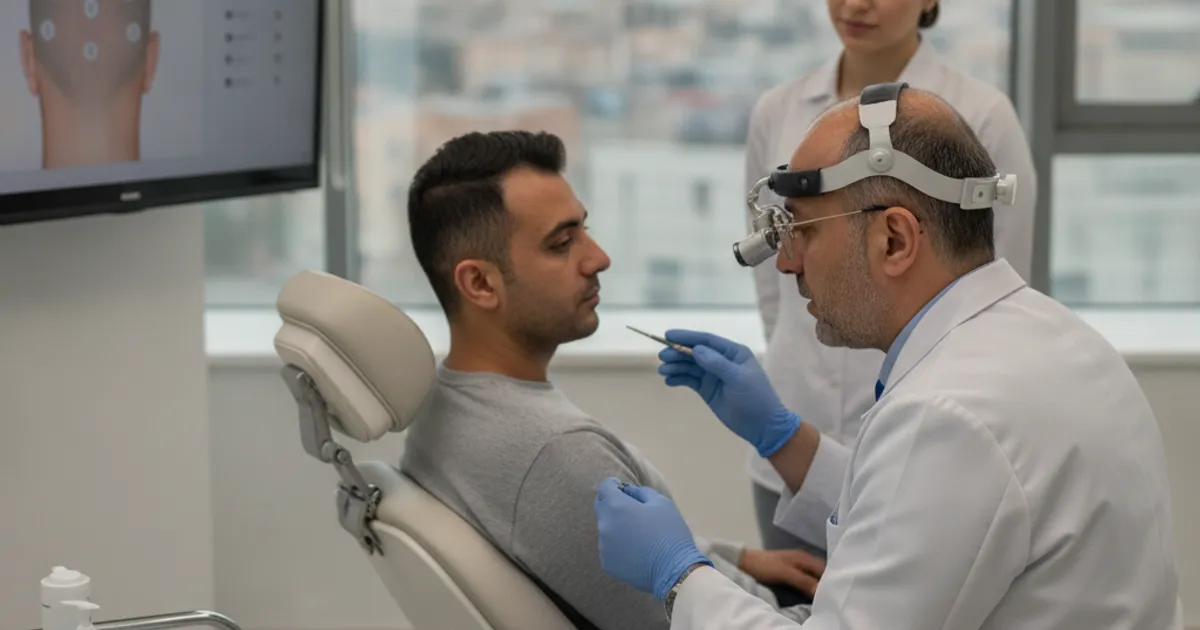
4 Months After Hair Transplant: What Should You Expect?
At 4 months after a hair transplant, you are in the early growth phase. Most people see fine, wispy hairs starting to push through, but the full density and thickness are still months away. This is a normal and expected part of the timeline.
What Does 4 Months After a Hair Transplant Look Like?
Visually, 4 months post-transplant usually means you can see new hairs emerging, but they may be thin, short, and uneven. The scalp might still look a bit patchy, and some areas could appear sparser than others. This is because hair follicles grow at different rates.
- Fine, wispy hairs sprouting in the transplanted areas
- Some hairs may still be in the resting phase and not yet visible
- The hairline or crown may look uneven as growth begins
- Redness or mild scalp sensitivity usually fades by now
- Donor area is typically healed and less noticeable
Is It Normal to Still See Shedding at 4 Months?
Yes, it can be normal to see some shedding at 4 months, but it is less common than in the first 2–3 months. The initial shock loss usually stops by month 3. However, a few hairs may still shed as part of the natural hair cycle. If you notice sudden or heavy shedding, it is worth checking with your clinic.
How Much Growth Happens at 4 Months?
Growth at 4 months is just starting. Most patients see only a small fraction of the final result. The hair is often thin and may not yet provide full coverage. The table below shows typical growth milestones after a hair transplant.
| Time After Transplant | What You Might See |
|---|---|
| 1–3 months | Shedding, healing, little visible growth |
| 4 months | Fine hairs emerging, uneven patches |
| 6 months | Noticeable improvement, thicker hairs |
| 9 months | Substantial density, hairline forming |
| 12–18 months | Full results, mature hair |
What Can You Do to Support Growth at 4 Months?
At 4 months, your main job is to protect the new hairs and support healthy growth. Avoid harsh treatments, follow your clinic's aftercare instructions, and be patient. Here are some practical steps.
- Continue using any prescribed medications, such as minoxidil or finasteride
- Avoid tight hats or helmets that rub the transplanted area
- Gently wash your scalp with mild shampoo as advised
- Eat a balanced diet rich in protein, iron, and vitamins
- Manage stress, as it can affect hair growth
- Attend follow-up appointments with your clinic
When Will You See Full Results?
Full results from a hair transplant typically take 12 to 18 months. At 4 months, you are only at the beginning. The timeline below shows the typical progression.
Frequently Asked Questions
Can I exercise 4 months after a hair transplant?
Yes, most people can resume normal exercise by 4 months. However, avoid activities that cause heavy sweating or friction on the scalp for the first few weeks. Check with your surgeon.
Why is my hair transplant not growing at 4 months?
Hair growth varies. Some follicles take longer to enter the growth phase. If you see no growth by 6 months, consult your clinic.
Should I use minoxidil at 4 months?
Many clinics recommend minoxidil to support growth. Follow your doctor's advice, as it can help but may also cause shedding initially.
Can I color my hair 4 months after a transplant?
It is usually safe to color hair after 4 months, but use gentle, ammonia-free products and avoid the scalp. Ask your clinic first.
How Clinic Reccy Can Help
If you are considering a hair transplant or want to compare clinics, Clinic Reccy lists trusted providers. You can filter by location, price, and services. For example, in Toronto, there are currently
16 clinics listed on Clinic Reccy in Toronto.
You can also check what percentage of clinics offer airport transfers or free consultations. Use the directory to find a clinic that fits your needs.
More Guides
- Hair Transplant and Blood Thinners: Safety and Timing
Can you have a hair transplant on blood thinners? Learn why they matter, which ones raise bleeding risk, how long to stop before surgery, and when to restart.
- Finasteride and PSA Testing: What You Need to Know
Finasteride lowers PSA levels, so your test results need careful interpretation. Learn how finasteride affects PSA, the adjustment factor, and what to tell your
- Can You Cure a Receding Hairline? What's Realistic
Can you cure a receding hairline? Learn what's realistic with medications, transplants, and lifestyle changes, plus expected results and costs.
- Minoxidil Hair Thinning Before Growth: Is It Normal?
Is minoxidil hair thinning before growth normal? Yes, it's a common sign the treatment is working. Learn why it happens, how long it lasts, and when to worry.