
Best Age to Start Hair Loss Treatment to Preserve Hair
Discover the best age to start hair loss treatment to preserve your hair. Learn when to act, treatment options by stage, and aftercare tips for lasting results.
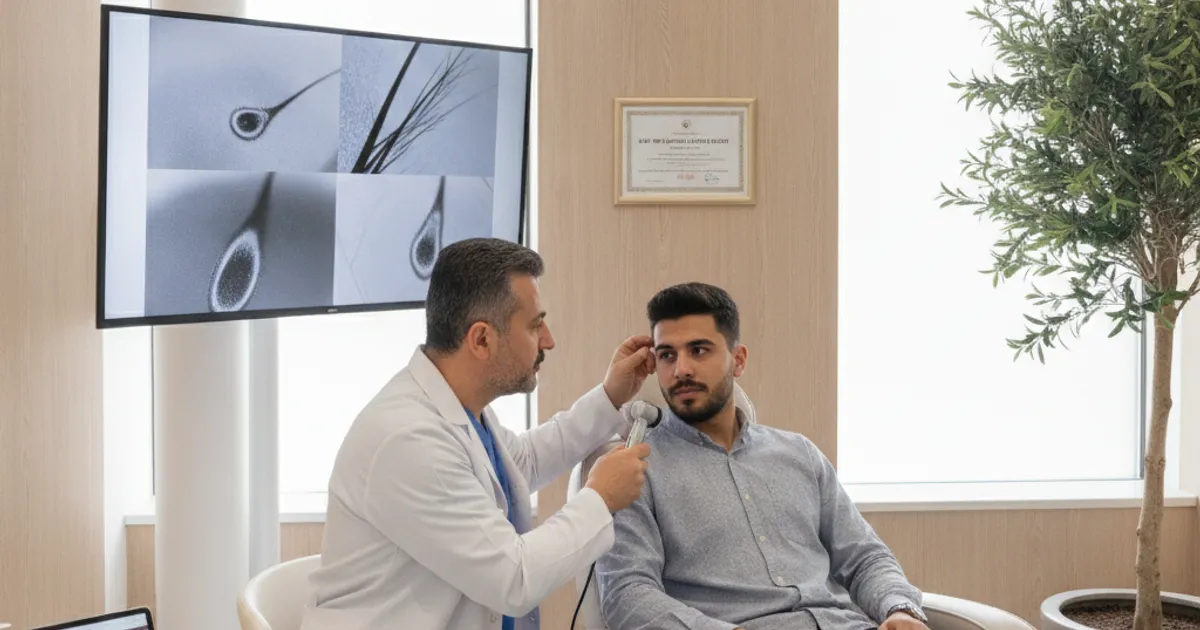
Why Age Matters for Hair Loss Treatment
Hair loss doesn't follow a universal timeline. Some men notice thinning in their early twenties, while others keep a full head of hair into their forties. But age does play a big role in how well treatment works. The earlier you catch hair loss and start a plan, the more options you have. Younger guys often have more donor hair available and can respond better to medications. Older guys might have more stable hair loss patterns, which makes surgical planning easier. The key is not to wait until you've lost a lot of ground. Once hair follicles are gone, they don't come back. So the best age to start hair loss treatment is really when you first notice consistent shedding or thinning, not a specific birthday.
How to Tell If You're Losing Hair (and When to Act)
It's normal to lose 50 to 100 hairs a day. The problem starts when you lose more than you grow back. Look for these signs: a receding hairline, a thinner crown, more hair in your brush or shower drain, or a widening part. If you spot any of these, don't panic. But do pay attention. The sooner you act, the better your chances of keeping what you have.
- Check your hairline monthly with photos in the same lighting.
- Notice if your scalp is more visible under bright light.
- Ask a barber or stylist if they see thinning in the crown or temples.
- Track shedding during washing and styling for two weeks.
- If you see a pattern, book a consultation with a dermatologist or hair restoration specialist.
The Best Age to Start: What Doctors Generally Recommend
Most hair restoration doctors suggest starting treatment as soon as you notice early signs of male pattern baldness, usually in your late 20s to early 30s. But that's not a hard rule. If you have a strong family history of hair loss, you might start in your early 20s. If your hair loss is slow, you might wait until your mid-30s. The goal is to preserve hair, not wait until you need a transplant. Medications like finasteride and minoxidil work best when you still have active hair follicles. Once those follicles miniaturize and die, medication can't bring them back. So the best age is when you still have something to save.
- Early 20s: Start if you have a strong family history and notice early thinning.
- Late 20s to early 30s: Most common age to begin medication or consider a transplant.
- Mid-30s to 40s: Hair loss pattern is usually more stable, making surgical planning easier.
- 50s and beyond: Treatment can still help, but you may need a different approach to maximize donor hair.
Treatment Options by Stage of Hair Loss
What you start with depends on how much hair you've lost. Early stages are usually managed with medication and lifestyle changes. Moderate stages might need a combination of medication and a small transplant. Advanced stages often require a larger transplant and ongoing medical therapy. Here's a quick comparison of typical treatment plans by stage.
| Stage of Hair Loss | Common Treatment Approach | Goal |
|---|---|---|
| Early (Norwood 1-2) | Topical minoxidil, oral finasteride, low-level laser therapy | Slow or stop progression, thicken existing hair |
| Moderate (Norwood 3-4) | Medication plus 1,500-2,500 graft transplant | Restore hairline and crown density |
| Advanced (Norwood 5-7) | Medication plus 3,000+ graft transplant, possibly multiple sessions | Cover large bald areas, maximize donor hair |
Planning Your Treatment Timeline: What to Expect
Once you decide to start, the process moves in phases. It's not a one-day fix. Here's a realistic timeline so you know what's coming.
- Consultation and diagnosis: 1-2 weeks. Blood tests, scalp exam, and medical history review.
- Start medication (if recommended): Day 1. Results take 3-6 months to show.
- Pre-surgery prep: 2-4 weeks before transplant. Stop certain medications, avoid alcohol, arrange time off.
- Transplant day: 4-8 hours depending on graft count. You'll be awake but sedated.
- Initial recovery: 2-3 days of rest, scabs form and fall off within 10-14 days.
- Shock loss phase: 2-8 weeks post-op. Some transplanted hair falls out before regrowth.
- Visible growth: 4-6 months. New hair starts to sprout.
- Final results: 12-18 months. Full density and maturity.
Aftercare and Recovery: How to Protect Your Results
The first two weeks after a transplant are critical. Your grafts are fragile and need to stay put. Follow your clinic's instructions exactly. After that, you still need to protect your results. Sun exposure, harsh chemicals, and smoking can all hurt your outcome. Here's what to do.
- Sleep with your head elevated for the first 3-5 nights to reduce swelling.
- Avoid direct sun on the scalp for at least 3 months. Wear a loose hat or use SPF 30+ after clearance.
- Don't scratch or pick at scabs. Let them fall off naturally.
- Skip strenuous exercise and swimming for 2 weeks.
- Continue medication as prescribed to maintain native hair.
- Use gentle, sulfate-free shampoo after the first week.
- Attend follow-up visits at 1 month, 6 months, and 12 months.
Choosing a Clinic: Questions to Ask Before You Commit
Not all clinics are equal. You want a surgeon who specializes in hair restoration, not a general cosmetic surgeon who does a few transplants a year. Ask about their experience, technique, and aftercare. Also check if they offer package deals that include transfers, accommodation, or medication. On Clinic Reccy, you can filter clinics by these inclusions. For example, in Istanbul, many clinics include airport transfers and post-op medication. But you should always confirm what's covered before you book.
- How many hair transplants does the surgeon perform each month?
- What technique do they use (FUE, FUT, DHI)?
- Can I see before-and-after photos of patients with similar hair loss?
- What's included in the price? Transfers, accommodation, medication, PRP?
- What's the plan if I'm not happy with the results?
- Do they offer financing or payment plans?
FAQ: Starting Hair Loss Treatment
Can I start hair loss treatment in my early 20s?
Yes, if you're noticing early signs of male pattern baldness. Doctors often recommend starting with medication like finasteride or minoxidil to slow progression. Surgery is usually delayed until your hair loss pattern stabilizes, often in your late 20s or early 30s.
Is it ever too late to start treatment?
It's never too late to explore options, but the results may be limited if you've lost a lot of hair. If you have a healthy donor area, a transplant can still restore some density. Medication can help preserve remaining hair. A consultation will give you a realistic picture.
How long do I need to take medication before seeing results?
Most people see noticeable changes in 3 to 6 months. Full results can take up to a year. Consistency is key. If you stop, you'll lose the benefits within months.
What's the best age for a hair transplant?
There's no single best age. Surgeons often prefer to wait until hair loss has stabilized, usually in the 30s. But if you have aggressive loss and a strong donor area, a transplant in your late 20s can be appropriate. The decision should be based on your individual pattern and goals.
More Guides
- Hair Transplant Graft Count: How Many Do You Need?
How many grafts for a hair transplant? Learn how graft counts are estimated, typical ranges by Norwood stage, and what to confirm before surgery.
- How to Choose a Hair Transplant Surgeon: Credentials to Check
Learn how to choose a hair transplant surgeon by checking credentials, board certification, training, and real patient results. A practical guide.
- Costco Finasteride: Price, Membership & Prescription Steps
A practical guide to getting finasteride at Costco: membership rules, prescription steps, generic vs. brand costs, and aftercare planning.
- Smoking and Hair Transplant Healing: What to Know
Smoking slows hair transplant healing and threatens graft survival. Learn why to stop before surgery, how long to avoid nicotine after, and recovery tips.