
Best Hair Loss Medication: A Complete Guide
Explore the best hair loss medications, including how they work, evidence, dosage, results, side effects, cost, and how they compare to other treatments.
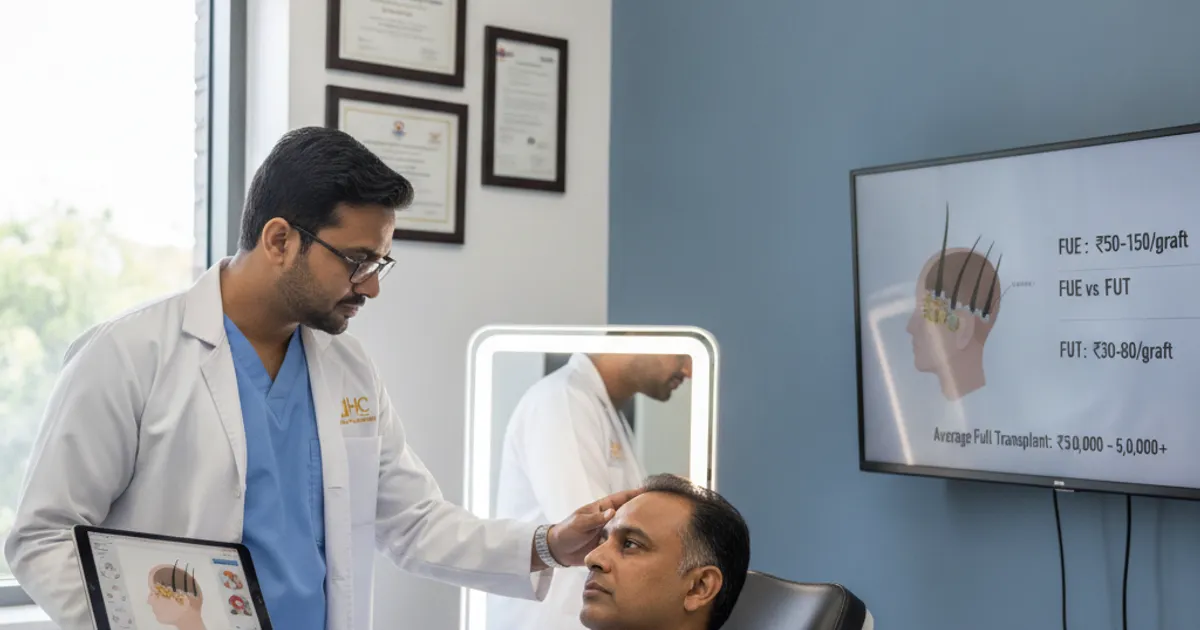
What Is Hair Loss Medication and How Does It Work?
Hair loss medication refers to prescription and over-the-counter drugs designed to slow down, stop, or reverse pattern hair loss. The two most widely used options are minoxidil (a topical solution or foam) and finasteride (an oral pill). Both target the underlying mechanisms of androgenetic alopecia, also known as male or female pattern baldness. Minoxidil works primarily by extending the growth phase of the hair cycle and improving blood flow to the follicle, while finasteride blocks the conversion of testosterone into dihydrotestosterone (DHT), the hormone that shrinks hair follicles in genetically predisposed individuals.
- Minoxidil: available over the counter as a liquid or foam, applied directly to the scalp.
- Finasteride: prescription-only oral tablet, typically 1 mg daily for hair loss.
- Dutasteride: a stronger 5-alpha-reductase inhibitor, sometimes prescribed off-label for hair loss.
- Other options: topical finasteride, spironolactone (for women), and low-level laser therapy, though these are less common or have less robust evidence.
The Evidence: Do Hair Loss Medications Actually Grow Hair?
Yes, but the extent of hair growth varies. Both minoxidil and finasteride have been studied extensively in randomized controlled trials. Finasteride tends to be more effective for men, with many users experiencing slowed hair loss and some seeing regrowth. Minoxidil is effective for both men and women, though results are generally more modest. It's important to note that these medications are primarily maintenance treatments: they work best at keeping the hair you have, with regrowth being a bonus rather than a guarantee.
| Medication | Typical Response | Primary Use | Regrowth Potential |
|---|---|---|---|
| Finasteride | Slowed loss in many men | Men with androgenetic alopecia | Moderate (some regrowth) |
| Minoxidil | Improvement in some users | Men and women | Modest (mostly maintenance, some regrowth) |
| Dutasteride | Similar to finasteride, possibly stronger | Men (off-label for hair loss) | Moderate to good in some studies |
How to Use Hair Loss Medication: Dosage and Frequency
Using hair loss medication correctly is crucial for getting results. Finasteride is taken as a 1 mg oral tablet once daily, with or without food. Minoxidil is applied topically twice daily for the liquid solution or once daily for the foam, depending on the product. Consistency is key: skipping doses can reduce effectiveness. Most people see the best results after using the medication consistently for at least 3-6 months.
- Finasteride: 1 mg orally once daily. Do not crush or split unless instructed.
- Minoxidil liquid: 1 mL applied to the scalp twice daily (morning and night).
- Minoxidil foam: half a capful applied once daily, usually at night.
- Dutasteride: 0.5 mg orally once daily (off-label for hair loss).
- Always follow your doctor's instructions and read the patient leaflet.
| Medication | Form | Dosage | Frequency |
|---|---|---|---|
| Finasteride | Oral tablet | 1 mg | Once daily |
| Minoxidil | Topical liquid | 1 mL | Twice daily |
| Minoxidil | Topical foam | Half capful | Once daily |
| Dutasteride | Oral capsule | 0.5 mg | Once daily |
Expected Results and Timeline: What to Expect Month by Month
Patience is essential with hair loss medication. Hair grows slowly, and it takes time for the medication to affect the hair cycle. Most people won't see noticeable changes until at least 3 months, with significant results appearing around 6-12 months. Here's a general timeline of what to expect.
Side Effects and Risks: What You Need to Know
Like all medications, hair loss treatments can cause side effects. Most are mild and go away as your body adjusts, but some can be more serious. Finasteride is known for sexual side effects in a small percentage of men, including decreased libido, erectile dysfunction, and reduced ejaculate volume. These usually resolve after stopping the medication, but in rare cases may persist. Minoxidil can cause scalp irritation, dryness, and unwanted facial hair growth if it drips. Oral minoxidil (off-label) can cause more systemic effects like dizziness and fluid retention.
- Finasteride: sexual dysfunction (uncommon), depression (rare), breast tenderness.
- Minoxidil topical: scalp itching, redness, flaking, unwanted hair growth on face.
- Minoxidil oral: dizziness, rapid heartbeat, fluid retention, low blood pressure.
- Dutasteride: similar to finasteride, possibly higher risk of sexual side effects.
| Medication | Common Side Effects | Serious Risks | Reversibility |
|---|---|---|---|
| Finasteride | Decreased libido, ED | Persistent sexual dysfunction (rare) | Usually reversible, but can persist |
| Minoxidil topical | Scalp irritation | Allergic contact dermatitis | Reversible |
| Minoxidil oral | Dizziness, fluid retention | Heart issues (rare) | Reversible |
| Dutasteride | Sexual dysfunction | Similar to finasteride | Usually reversible |
Who Is Suitable for Hair Loss Medication?
Hair loss medications are suitable for most adults with androgenetic alopecia, but they're not for everyone. Finasteride is only for men because it can cause birth defects if taken by women who are or may become pregnant. Minoxidil is safe for both men and women. Postmenopausal women may also be prescribed finasteride off-label in some cases. People with certain medical conditions, such as liver disease or prostate cancer, should avoid finasteride. Always consult a doctor before starting any treatment.
- Men with early to moderate hair loss: good candidates for finasteride and/or minoxidil.
- Women with thinning hair: minoxidil is first-line; finasteride is off-label and not for women of childbearing age.
- Postmenopausal women: may be prescribed finasteride off-label if other options fail.
- People with other types of hair loss (alopecia areata, scarring alopecia): medications may not be effective.
- Anyone with liver disease, prostate issues, or who is pregnant: should not use finasteride.
Cost of Hair Loss Medication: What Affects the Price?
The cost of hair loss medication varies depending on the type, dosage, brand, and where you buy it. Generic versions are much cheaper than brand names. Prescription medications like finasteride require a doctor's visit, which adds to the overall cost. Over-the-counter minoxidil is widely available, but prices can differ between pharmacies and online retailers. In some countries, these medications may be partially covered by insurance if prescribed for a medical condition, but typically hair loss treatment is considered cosmetic and not covered.
| Medication | Typical Monthly Cost (USD) | Prescription Required? |
|---|---|---|
| Minoxidil (generic topical) | Varies | No |
| Minoxidil (brand topical) | Varies | No |
| Finasteride (generic oral) | Varies | Yes |
| Finasteride (brand oral) | Varies | Yes |
| Dutasteride (generic oral) | Varies | Yes (off-label) |
How Hair Loss Medication Compares to Other Treatments
Medication is just one option for treating hair loss. Other treatments include hair transplant surgery, low-level laser therapy, platelet-rich plasma (PRP) injections, and lifestyle changes. Each has its own pros and cons. Medication is generally the least invasive and most affordable, but it requires ongoing use and results are limited. Hair transplant surgery can provide permanent, natural-looking results but is more expensive and invasive. PRP and laser therapy are non-invasive but have less robust evidence and can be costly over time.
| Treatment | Effectiveness | Cost | Invasiveness | Duration of Results |
|---|---|---|---|---|
| Medication (finasteride/minoxidil) | Moderate (maintenance + some regrowth) | Low (varies) | Non-invasive | Ongoing use required |
| Hair Transplant | High (permanent hair growth) | High (varies) | Surgical | Permanent |
| PRP Therapy | Moderate (variable) | Moderate (varies per session) | Minimally invasive | Months, requires maintenance |
| Low-Level Laser Therapy | Low to moderate | Moderate (varies for device) | Non-invasive | Ongoing use required |
Frequently Asked Questions About Hair Loss Medication
Can I stop using hair loss medication once I see results?
No. Hair loss medication only works while you're using it. If you stop, you'll lose the hair you've maintained or regrown within 6-12 months. Consistency is key.
Is finasteride safe for women?
Finasteride is not recommended for women of childbearing age because it can cause birth defects. Postmenopausal women may use it off-label under a doctor's supervision.
How long does it take to see results from minoxidil?
Most people see initial results in 3-4 months, with noticeable improvement at 6 months. Full results may take up to a year.
Are generic hair loss medications as effective as brand names?
Yes, generic versions contain the same active ingredients and are equally effective. They are often much cheaper.
More Guides
- Finasteride for Baldness: What It Can and Can't Do
Finasteride is a proven hair loss treatment, but it's not a cure. Learn how it works, dosage, side effects, and how it compares to other options.
- DHT-Blocking Shampoos: What Works and What's Marketing?
Do DHT-blocking shampoos really grow hair? We break down the science, evidence, usage, side effects, costs, and how they compare to other treatments.
- Clascoterone for Hair Loss: What the Research Shows
Clascoterone is a topical anti-androgen being studied for hair loss. Learn how it works, the evidence, how to use it, side effects, cost, and how it compares.
- Hims Minoxidil Spray: Ingredients, Results, and Cost
Hims Minoxidil Spray review: ingredients, how it works, results timeline, side effects, cost, and how it compares to other hair loss treatments.