
Does Biotin Help Hair Growth? What the Evidence Says
Biotin can help hair growth only if you're deficient. Learn what the evidence shows, how much to take, side effects, and when to consider a hair transplant.
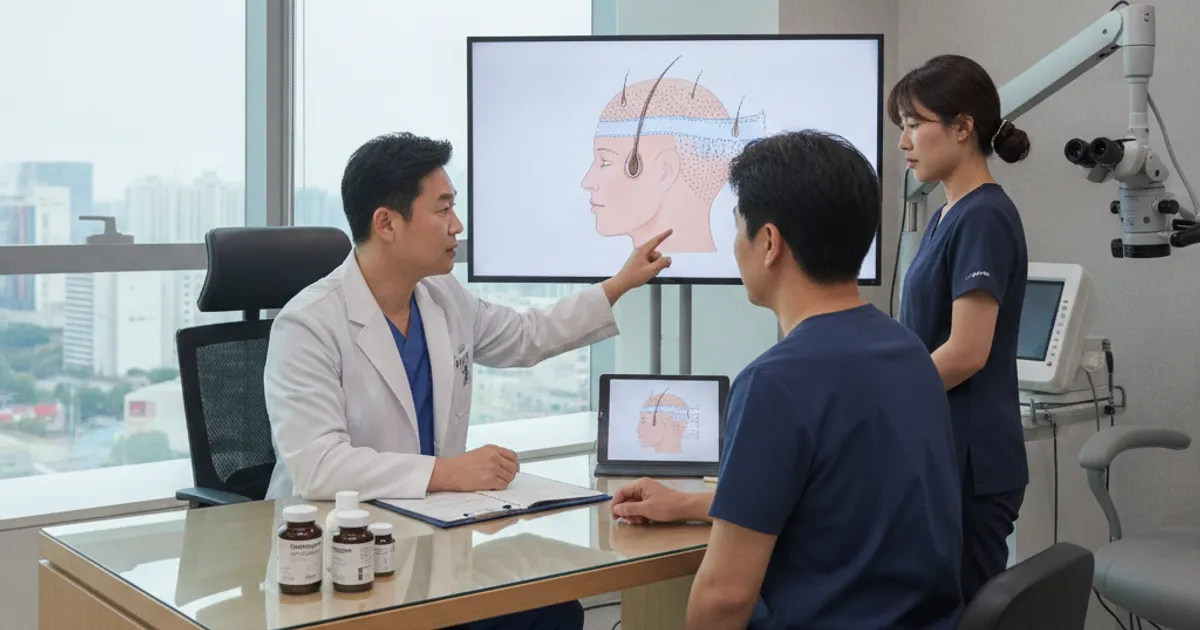
Biotin for hair growth only works if you have a genuine biotin deficiency. If your levels are normal, supplementing with biotin is unlikely to make your hair grow faster or thicker, and the evidence for it as a standalone hair loss treatment is weak. It is not a substitute for proven treatments like minoxidil, finasteride, or a hair transplant.
What Is Biotin and How Does It Work?
Biotin, also called vitamin B7 or vitamin H, is a water-soluble vitamin your body needs to metabolise fats, carbohydrates, and proteins. Because hair is mostly protein (keratin), biotin plays a supporting role in normal hair production. The catch is that your body cannot use extra biotin to build more hair than your genetics and hormones allow.
- Biotin is found in eggs, nuts, seeds, salmon, sweet potatoes, and liver.
- Your gut bacteria also produce some biotin naturally.
- True biotin deficiency is rare in people eating a normal diet.
- Deficiency can cause thinning hair, brittle nails, and skin rashes.
- Certain conditions (pregnancy, long-term antibiotic use, some genetic disorders) raise deficiency risk.
What Does the Evidence Say About Biotin for Hair Growth?
Most of the positive claims about biotin and hair come from case reports of people who were deficient and saw improvement after supplementing. There is very little high-quality evidence showing biotin helps people with normal biotin levels. In short: it fixes a deficiency, but it is not a proven hair loss treatment on its own.
- Biotin corrects a diagnosed deficiency and reverses related hair thinning.
- Biotin may improve hair growth in people without a deficiency, but evidence is weak.
- Biotin does not regrow hair lost to male pattern baldness (androgenetic alopecia).
- Biotin may strengthen brittle nails in some people, but evidence is mixed.
| Claim | What Research Shows | Bottom Line |
|---|---|---|
| Biotin grows hair in everyone | Only studied in deficient patients | Not supported |
| Biotin thickens existing hair | No strong clinical trials | Unproven |
| Biotin reverses pattern baldness | No evidence for this | False |
| Biotin helps if you're deficient | Case reports and small studies | Supported |
Who Might Benefit From Biotin for Hair Growth?
Biotin is most likely to help people with a confirmed or suspected deficiency. For everyone else, it is usually a low-risk but low-reward add-on. If you are losing hair and your biotin levels are normal, the cause is more likely genetics, hormones, stress, medication, or a thyroid issue.
- People with a diagnosed biotin deficiency.
- Pregnant or breastfeeding women with low intake.
- People on long-term antibiotics or anti-seizure medication.
- Anyone with brittle nails and thinning hair linked to poor absorption.
- People with genetic hair loss should look at proven treatments first.
How Much Biotin Should You Take for Hair Growth?
There is no official recommended daily allowance for biotin in many countries, but typical adequate intake is around 30 micrograms (mcg) per day for adults. Hair supplements often contain 5,000 to 10,000 mcg, which is far above what your body needs. Because biotin is water-soluble, excess is usually excreted in urine, but high doses can still interfere with lab tests.
| Dose | Typical Use | Notes |
|---|---|---|
| 30 mcg/day | Normal dietary intake | Enough for most healthy adults |
| 300 mcg/day | Common in multivitamins | Still well within safe range |
| 1,000–5,000 mcg/day | Hair and nail supplements | No proven extra benefit |
| 10,000 mcg/day | High-dose products | Can skew thyroid and heart tests |
What Are the Risks and Side Effects of Biotin?
Biotin is generally well tolerated, and serious side effects are rare. The bigger issue is that high-dose biotin can interfere with common blood tests, including thyroid function and troponin (a heart attack marker). That can lead to misdiagnosis or delayed treatment. Always tell your doctor if you take biotin before any blood work.
- Mild nausea or stomach upset at high doses.
- Skin rash in rare cases.
- False lab results for thyroid and cardiac tests.
- Possible interference with hormone and vitamin D tests.
- No known toxicity from food sources.
Biotin vs Other Hair Loss Treatments: How Does It Compare?
Biotin sits at the bottom of the effectiveness ladder for hair loss. It is cheap and safe, but it does not address the root cause of most hair loss. Proven treatments like minoxidil, finasteride, and hair transplants have far stronger evidence behind them.
| Treatment | Evidence for Hair Growth | Best For |
|---|---|---|
| Biotin | Weak (deficiency only) | Correcting low biotin |
| Minoxidil | Strong | Early to moderate thinning |
| Finasteride | Strong | Male pattern baldness |
| Low-level laser therapy | Moderate | Early thinning |
| Hair transplant | Strong | Advanced or permanent loss |
When Should You See a Doctor or Consider a Hair Transplant?
If you have been taking biotin for a while with no change, or your hair loss is patchy, sudden, or accompanied by scalp pain, see a doctor. A dermatologist can check for thyroid issues, iron deficiency, alopecia areata, or androgenetic alopecia. If you have permanent hair loss and want a lasting fix, a hair transplant may be the better route. You can compare clinics and read our guide on hair transplant costs to understand what to expect.
Frequently Asked Questions About Biotin for Hair Growth
How long does biotin take to work for hair growth?
If you have a deficiency, you may notice less shedding and some new growth over time. If your levels are normal, you likely will not see any change at all.
Can biotin regrow hair on a bald spot?
No. Biotin does not regrow hair in areas that are permanently bald from pattern hair loss. Only proven treatments like minoxidil, finasteride, or a hair transplant can do that.
Is it safe to take biotin every day?
Yes, for most people. But high doses can interfere with blood tests, so tell your doctor before any lab work. Your doctor may advise you to stop biotin before testing.
What is the best form of biotin for hair?
There is no strong evidence that one form works better than another. Standard biotin capsules or tablets are fine. A balanced diet usually provides enough without supplements.
More Guides
- Hair Transplant and Blood Thinners: Safety and Timing
Can you have a hair transplant on blood thinners? Learn why they matter, which ones raise bleeding risk, how long to stop before surgery, and when to restart.
- Finasteride and PSA Testing: What You Need to Know
Finasteride lowers PSA levels, so your test results need careful interpretation. Learn how finasteride affects PSA, the adjustment factor, and what to tell your
- Can You Cure a Receding Hairline? What's Realistic
Can you cure a receding hairline? Learn what's realistic with medications, transplants, and lifestyle changes, plus expected results and costs.
- Minoxidil Hair Thinning Before Growth: Is It Normal?
Is minoxidil hair thinning before growth normal? Yes, it's a common sign the treatment is working. Learn why it happens, how long it lasts, and when to worry.