
Can Women Take Finasteride? Safety, Side Effects & Options
Can women take finasteride? Learn the safety risks, side effects, and effective alternatives for female hair loss, plus how to get treatment.
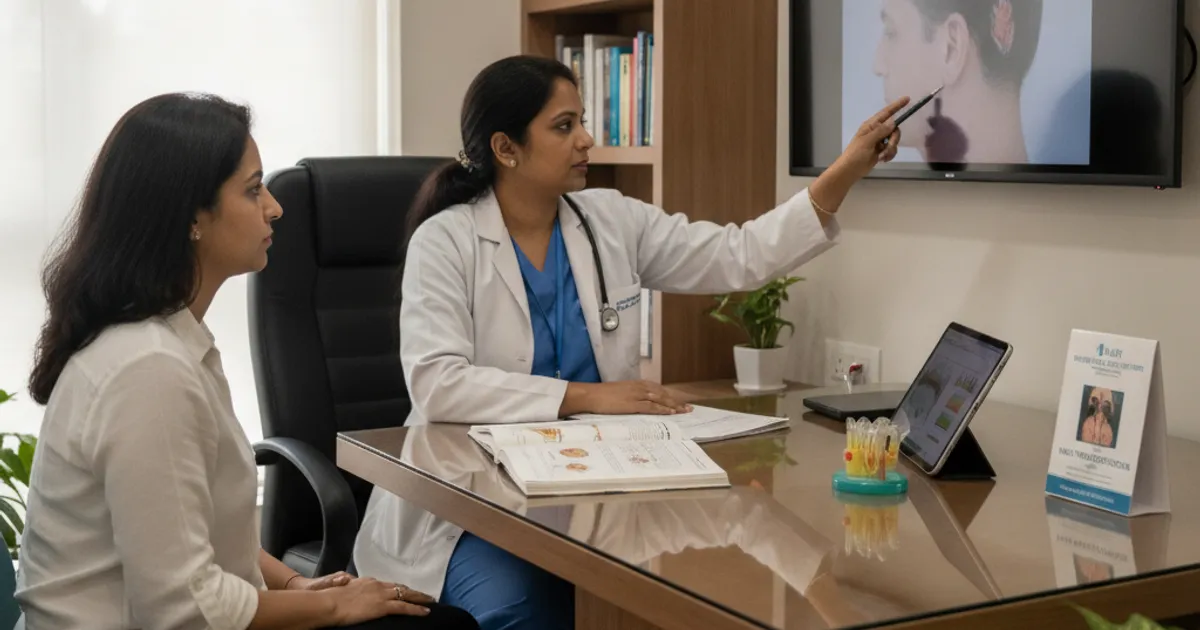
Can Women Take Finasteride?
Yes, women can take finasteride, but it is not FDA-approved for female pattern hair loss and is generally avoided in women of childbearing age due to serious birth defect risks. It is sometimes prescribed off-label for postmenopausal women, but only under close medical supervision. If you're wondering whether finasteride for women is a realistic option, the short answer is: it depends on your age, reproductive status, and overall health. This article breaks down what the research says, who should avoid it, and what alternatives exist.
What Is Finasteride and How Does It Work?
Finasteride is an oral prescription drug that blocks the enzyme 5-alpha-reductase, which converts testosterone into dihydrotestosterone (DHT). DHT is the hormone primarily responsible for male pattern baldness. By lowering DHT levels, finasteride slows hair loss and can promote regrowth in some men. The same mechanism theoretically applies to women with androgenetic alopecia, but the hormonal differences and safety concerns make it a much more complicated decision.
- Approved for male pattern baldness (androgenetic alopecia).
- Also used for enlarged prostate in men.
- Works by reducing DHT, a key driver of hair follicle miniaturisation.
- Not approved for women by the FDA. The EMA has also not authorised it for female hair loss.
- May be prescribed off-label for postmenopausal women with androgenetic alopecia.
Is Finasteride Safe for Women?
For most women, finasteride is not considered safe, especially during reproductive years. The main concern is teratogenicity — the ability to cause birth defects. According to FDA labeling, even handling crushed tablets can be risky for pregnant women. For postmenopausal women, the risk profile changes, but side effects like sexual dysfunction, depression, and breast tenderness are still possible. Research on finasteride in women is limited compared to men, so doctors often rely on smaller studies and clinical experience when prescribing it off-label.
- Absolutely contraindicated in pregnancy and breastfeeding.
- Women of childbearing age should avoid it unless using reliable contraception.
- Postmenopausal women may use it off-label if benefits outweigh risks.
- Regular monitoring by a doctor is essential.
- Not recommended for women trying to conceive.
What Are the Potential Side Effects of Finasteride in Women?
Side effects in women are similar to those reported in men, though research is more limited. Some women experience sexual side effects, mood changes, and physical symptoms. The table below summarises the most common and serious side effects.
| Side Effect | Notes |
|---|---|
| Decreased libido | Reported in both men and women |
| Depression or mood swings | May be linked to hormonal changes |
| Breast tenderness or enlargement | Usually reversible |
| Dizziness or fatigue | Often mild |
| Birth defects in male fetus | Contraindicated in pregnancy |
| Sexual dysfunction | May persist after stopping in rare cases |
Who Should Not Take Finasteride?
Finasteride is not for everyone. Certain groups should avoid it entirely due to health risks or lack of safety data.
- Pregnant women or those planning pregnancy.
- Breastfeeding mothers.
- Women with liver disease or abnormal liver function tests.
- Women with a history of breast cancer (finasteride may affect hormone-sensitive tissues).
- Women under 18 (no safety data).
- Anyone allergic to finasteride or similar drugs.
What Are the Alternatives to Finasteride for Women?
If finasteride isn't suitable, several other treatments can help female hair loss. Minoxidil is the most common, along with spironolactone, low-level laser therapy, and PRP. The best choice depends on your health history and the cause of your hair loss. Below is a comparison of the two most frequently prescribed options.
Minoxidil (Topical)
Price varies by pharmacy and location
- ✓ FDA-approved for women
- ✓ Easy to apply
- ✓ Few systemic side effects
- ✓ Works best for early to moderate loss
Spironolactone (Oral)
Price varies by pharmacy and location
- ✓ Off-label for female hair loss
- ✓ Blocks androgens
- ✓ Requires prescription and monitoring
- ✓ Not for pregnant women
How to Get Finasteride as a Woman
Getting finasteride as a woman is not straightforward. It requires a prescription and a doctor who is willing to prescribe off-label. Here's the typical process:
- Start with your GP or a dermatologist who specialises in hair loss. Explain your history and ask about off-label options.
- Expect a full workup: blood tests to rule out thyroid issues, iron deficiency, and hormonal imbalances that could be causing your hair loss.
- If your doctor agrees to prescribe finasteride, they will likely start you on a low dose and monitor you closely.
- You will need to use reliable contraception if you are of childbearing age. Some doctors will only prescribe to postmenopausal women.
- Follow-up appointments are usually scheduled regularly to check for side effects and assess whether the treatment is working.
- If you can't get a prescription locally, some online services offer consultations, but make sure they are legitimate and regulated in your country.
Frequently Asked Questions
Can women take finasteride for hair loss?
Yes, but it's off-label. It is sometimes prescribed for postmenopausal women, and in some cases for premenopausal women who use reliable contraception. It's not FDA-approved for women and is unsafe during pregnancy.
Is finasteride safe for women over 50?
For postmenopausal women, it may be prescribed off-label if there are no contraindications. Side effects are still possible, so monitoring is needed.
What happens if a woman takes finasteride while pregnant?
It can cause severe birth defects in a male fetus, including abnormal genital development. Pregnant women should never take or handle finasteride.
Are there natural alternatives to finasteride for women?
Some women try saw palmetto, biotin, or low-level laser therapy, but evidence is limited. Minoxidil and spironolactone are more proven options.
More Guides
- Does Minoxidil Work for Women?
Does minoxidil work for women? Learn how it works, foam vs. liquid vs. oral, realistic results, side effects, and when to consider a hair transplant.
- Hair Transplant Cost: What You'll Actually Pay
Hair transplant costs vary by graft count, technique, and location. Learn how pricing works by hair loss stage and what factors affect your final bill.
- Does Finasteride Work for a Receding Hairline?
Finasteride can slow or stop a receding hairline in many men. Learn how it works, what to expect, and when a hair transplant makes more sense.
- How Much Does Finasteride Cost Per Month?
Finasteride cost per month varies by generic vs brand, dose, and pharmacy. Learn what affects your monthly bill and how to keep costs down.