
Protein Deficiency Hair Loss: Symptoms and Treatment
Can low protein cause hair loss? Learn the signs, how much protein you need, and whether a hair transplant can help with protein deficiency hair loss.
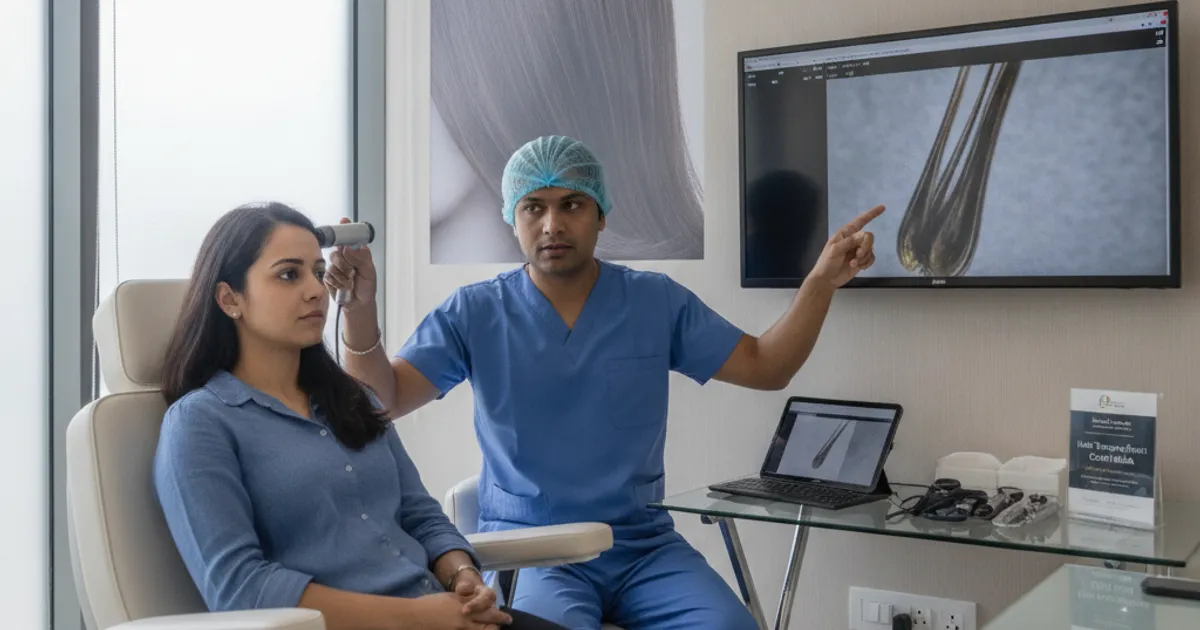
What Is Protein Deficiency Hair Loss?
Protein deficiency hair loss happens when your body doesn't get enough dietary protein to support normal hair growth. Hair is built from protein, so when intake falls short, the body prioritises vital functions and shifts hair follicles into a resting phase. The result is increased shedding, slower regrowth, and hair that looks thinner and weaker over time. This type of hair loss is often reversible once protein levels are restored, but it can take months to see improvement.
How Protein Deficiency Causes Hair Loss
Hair follicles are metabolically active and need a steady supply of amino acids, vitamins, and minerals to build hair and push it through the growth cycle. When protein intake is too low, the body enters a kind of triage mode. It diverts limited protein to essential organs like the heart, liver, and muscles, and hair growth becomes a lower priority. Follicles that were in the active growth phase (anagen) get pushed prematurely into the resting phase (telogen). Weeks or months later, those hairs fall out. If the deficiency continues, new hairs may grow back thinner and shorter, or not at all.
- Keratin production drops because there aren't enough amino acids to build it.
- The hair growth cycle is disrupted, pushing more follicles into the shedding phase.
- Existing hair shafts become weaker, more brittle, and prone to breakage.
- New hair growth slows down or produces finer, less pigmented strands.
- Iron and zinc absorption can also suffer, compounding the problem because both minerals are needed for healthy hair.
Symptoms and Signs to Look For
The signs of protein deficiency hair loss often overlap with general protein deficiency symptoms. You might notice more hair than usual on your pillow, in the shower drain, or on your brush. The shedding is usually spread evenly across the scalp rather than concentrated in one spot. Alongside hair changes, you may feel tired, struggle to recover from workouts, notice brittle nails, or find that wounds heal more slowly. Because hair grows slowly, the shedding often shows up weeks or months after the dietary shortfall started, which makes it easy to miss the connection.
- Diffuse thinning across the whole scalp, not just the crown or hairline.
- Increased shedding when washing or brushing hair.
- Hair that feels dry, brittle, or breaks easily.
- Slow hair growth and shorter overall hair length.
- Brittle nails, dry skin, and frequent fatigue.
- Muscle weakness or slow recovery after exercise.
- Swelling in the legs, feet, or hands in severe cases.
| Symptom | What It Looks Like | When It Typically Appears |
|---|---|---|
| Diffuse shedding | Hair falls out evenly across the scalp | Weeks to months after low protein intake |
| Brittle hair | Dry, rough texture with split ends | Gradually over weeks |
| Slow growth | Hair seems stuck at the same length | Months into deficiency |
| Fatigue | Low energy, poor workout recovery | Within weeks |
| Brittle nails | Peeling, breaking, ridges | Alongside hair changes |
How Much Protein Do You Actually Need?
The amount of protein you need depends on your body weight, activity level, age, and overall health. General guidelines from health authorities suggest a minimum daily intake for sedentary adults, but individual needs vary. If you exercise regularly, are pregnant, recovering from illness, or are over 65, your needs are higher. Some dermatologists and nutritionists suggest that people experiencing hair shedding aim for a higher intake, spread across meals, to give follicles a consistent supply of amino acids. However, these are general suggestions and not a substitute for personalised medical advice.
| Group | General Protein Guidance | Notes |
|---|---|---|
| Sedentary adults | Baseline daily intake | Varies by body weight and health status |
| Active adults | Higher than baseline | Needs increase with exercise intensity |
| Adults over 65 | Slightly higher than baseline | Age-related muscle loss prevention |
| Pregnant or breastfeeding | Increased needs | Consult a healthcare provider |
| People with hair shedding | May benefit from increased intake | Discuss with a doctor or dietitian |
Diagnosing Protein Deficiency Hair Loss
There is no single test that confirms protein deficiency hair loss. Diagnosis usually involves a combination of medical history, dietary review, physical examination, and blood tests. A doctor or dermatologist will ask about your eating habits, weight changes, recent illnesses, surgeries, and any medications. They will examine your scalp and may perform a hair pull test to see how easily hairs come out. Blood tests can check for low albumin, prealbumin, or total protein levels, though these markers often only drop in more advanced deficiency. It's also important to rule out other causes of hair loss, such as thyroid disorders, iron deficiency, PCOS, or androgenetic alopecia.
- Detailed dietary history to estimate daily protein intake.
- Physical exam including a hair pull test and scalp inspection.
- Blood tests for albumin, prealbumin, total protein, ferritin, and thyroid hormones.
- Assessment of weight changes, muscle mass, and signs of malnutrition.
- Review of medications and supplements that could affect hair.
- Sometimes a scalp biopsy if the cause is unclear.
Treatment Options for Protein Deficiency Hair Loss
The cornerstone of treatment is correcting the underlying protein deficiency. That means increasing dietary protein intake and, in some cases, using protein supplements under medical supervision. Once protein levels normalise, hair shedding usually slows within a few months, and regrowth follows. However, regrowth can take six to twelve months because hair grows slowly. If other factors are contributing to hair loss, such as androgenetic alopecia, treatments like finasteride, minoxidil, or platelet-rich plasma (PRP) therapy may be recommended alongside dietary changes. These treatments address different mechanisms and can be used together with protein correction.
- Increase daily protein intake through whole foods or medically supervised supplements.
- Correct any coexisting nutrient deficiencies such as iron, zinc, or vitamin D.
- Topical minoxidil to stimulate follicle activity and prolong the growth phase.
- Oral finasteride for men with concurrent male pattern hair loss.
- PRP injections to support follicle health and improve hair density.
- Low-level laser therapy as an adjunct for some patients.
- Treat underlying medical conditions like thyroid disorders or celiac disease.
Is a Hair Transplant Suitable for Protein Deficiency Hair Loss?
A hair transplant is generally not the first line of treatment for protein deficiency hair loss. Because the shedding is diffuse and often reversible, most surgeons prefer to wait until the underlying deficiency is corrected and hair loss has stabilised. Transplanting hair into a scalp that is still shedding due to poor nutrition can lead to poor graft survival and unsatisfying results. That said, if you have a coexisting permanent form of hair loss, such as androgenetic alopecia, and your protein levels are normal, a transplant may be an option. The key is to get a proper diagnosis and ensure your nutritional status is optimised before considering surgery.
- Correct protein deficiency first and wait for shedding to stabilise.
- Address any other reversible causes of hair loss before surgery.
- A transplant may be suitable if you also have permanent pattern hair loss.
- Graft survival depends on a healthy scalp environment and good nutrition.
- Surgeons typically recommend a waiting period after nutritional correction.
- Always choose a qualified surgeon who can assess your individual case.
Preventing and Managing Protein Deficiency Hair Loss
Prevention is straightforward: eat enough protein consistently and treat any underlying conditions that affect nutrient absorption. If you follow a vegetarian or vegan diet, pay extra attention to protein sources and consider combining plant proteins to get a full amino acid profile. If you have digestive issues, food intolerances, or an eating disorder, seek professional support. Managing stress, getting enough sleep, and avoiding crash diets also help protect your hair. Once protein intake is restored, most people see their hair recover over several months, though it can take a full year for density to return to normal.
- Aim for a protein intake that suits your body weight and activity level if you are experiencing shedding.
- Include protein at every meal, not just dinner.
- Choose a variety of protein sources: animal and plant-based.
- Avoid very low-calorie or restrictive diets without medical supervision.
- Treat underlying conditions like celiac disease, IBS, or thyroid disorders.
- Consider a multivitamin if your diet is limited, but check with a doctor first.
- Be patient: hair regrowth takes time, often several months.
Frequently Asked Questions
Can low protein really cause hair loss?
Yes. Hair is made of protein, and when your body doesn't get enough, it conserves protein for vital organs. Hair follicles are among the first to be affected, leading to increased shedding and slower regrowth.
How long after increasing protein will my hair stop falling out?
Shedding usually slows within a few months of correcting the deficiency. Visible regrowth typically takes six to twelve months because hair grows slowly.
Is protein deficiency hair loss permanent?
In most cases, it is reversible once protein intake is restored and any underlying conditions are treated. However, if the deficiency is severe or prolonged, some follicles may not recover fully.
How much protein should I eat for healthy hair?
General guidelines suggest a baseline intake for sedentary adults, but if you are experiencing hair shedding, aim for a higher intake spread across meals. Consult a doctor or dietitian for personalised advice.
Can a hair transplant fix protein deficiency hair loss?
A transplant is not a fix for active protein deficiency hair loss. Surgery should be considered only after the deficiency is corrected and hair loss has stabilised. If you also have permanent pattern baldness, a transplant may help.
What other nutrients affect hair growth?
Iron, zinc, vitamin D, B vitamins (especially biotin), and vitamin C all play roles in hair health. A balanced diet usually covers these, but deficiencies should be identified and treated.
Should I take protein supplements for hair loss?
If you struggle to get enough protein from food, supplements can help. However, it's best to talk to a doctor or dietitian first to ensure you're addressing the root cause and not missing other deficiencies.
More Guides
- Minoxidil Contact Dermatitis: Signs and Alternatives
Learn the signs of minoxidil contact dermatitis, how it's diagnosed, treatment options, and alternatives like finasteride, PRP, and hair transplant surgery.
- Can Radiotherapy Cause Hair Loss? What to Expect
Radiotherapy can cause temporary or permanent hair loss. Learn the causes, symptoms, diagnosis, treatment options, and whether a hair transplant is suitable.
- Hair Loss After Illness or High Fever: When Does It Stop?
Hair loss after illness or high fever is usually temporary telogen effluvium. Learn causes, symptoms, diagnosis, treatment, and when a hair transplant may help.
- Can Dandruff Cause Hair Loss? Facts vs Folklore
Does dandruff cause hair loss? We separate fact from folklore, explain the real connection, diagnosis, treatments, and when a hair transplant makes sense.