
Seborrheic Dermatitis and Hair Loss: Causes and Treatments
Does seborrheic dermatitis cause permanent hair loss? Learn causes, symptoms, treatments, and if hair transplant is suitable. Expert guide.
What Is Seborrheic Dermatitis?
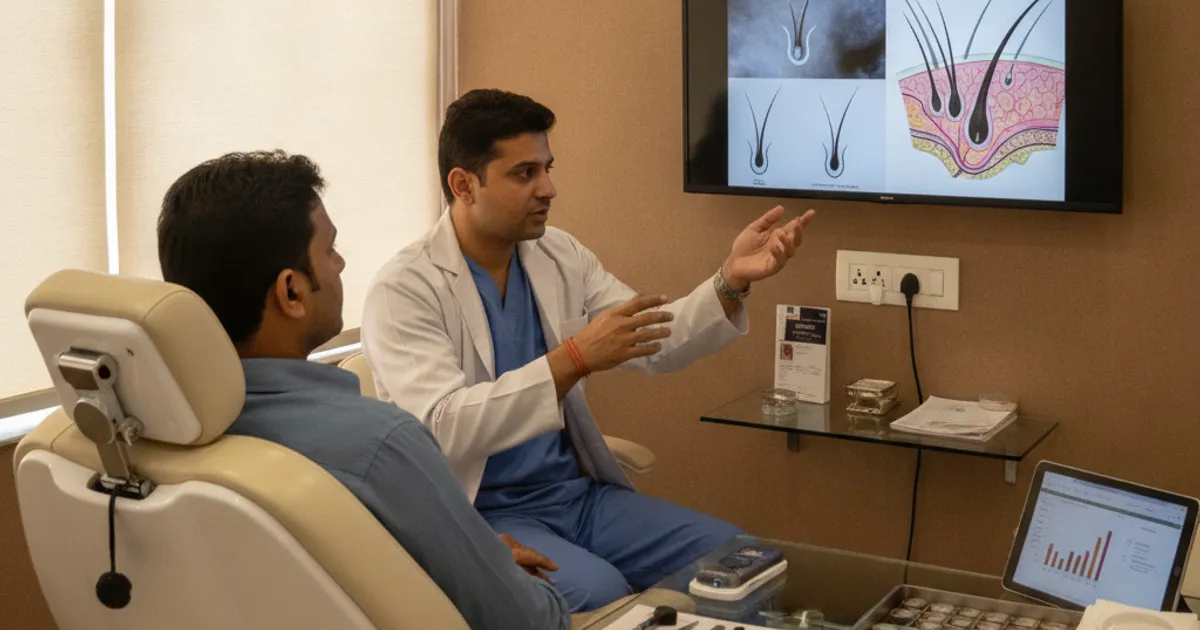
Seborrheic dermatitis is a common inflammatory skin condition that mainly affects areas rich in oil glands, like the scalp, face, and upper chest. It shows up as red, flaky, greasy patches that can itch and flake. On the scalp, it's often mistaken for dandruff, but it's more than just dryness. The condition tends to come and go in flares, and while it's not contagious, it can be chronic and frustrating. Many people wonder if seborrheic dermatitis causes permanent hair loss. The short answer is: not directly, but it can contribute to temporary shedding and, in rare cases, long-term thinning if left untreated. We'll dig into that later.
- Also known as seborrheic eczema or seborrheic psoriasis
- Most common on the scalp, but can appear on eyebrows, beard, and chest
- Affects people of all ages, with higher rates in men
- Often starts during puberty or in adulthood, with peaks at different ages
How Seborrheic Dermatitis Affects the Scalp and Hair Follicles
When seborrheic dermatitis flares on the scalp, it triggers inflammation. That inflammation can disrupt the normal hair growth cycle, pushing more follicles into the resting phase (telogen) and causing them to shed earlier than usual. This is known as telogen effluvium. The good news is that this type of shedding is usually temporary. However, if the inflammation is severe or persists for months without treatment, it can potentially damage the hair follicle and lead to scarring, which may result in permanent hair loss. That's why getting it under control matters.
- Inflammation around the follicle can interrupt the growth phase
- Scratching and picking at flakes can cause trauma and break hairs
- Chronic, untreated inflammation may lead to follicular damage and scarring
- Hair loss from seborrheic dermatitis is often diffuse, not patchy
Common Causes and Triggers
The exact cause of seborrheic dermatitis isn't fully understood, but it's believed to be a combination of factors. The Malassezia yeast plays a central role, but it's not the whole story. Your immune system's response to the yeast, oil production, and genetics all come into play. Certain things can trigger or worsen flares, and knowing them can help you manage the condition.
- Malassezia yeast overgrowth on the skin
- Excess sebum (oil) production
- Genetic predisposition
- Stress and fatigue
- Cold, dry weather
- Certain medications (e.g., lithium, interferon)
- Neurological conditions like Parkinson's disease
| Trigger Category | Examples |
|---|---|
| Environmental | Cold weather, dry indoor heating |
| Emotional | High stress, anxiety |
| Medical | Parkinson's disease, HIV, depression |
| Medications | Lithium, interferon, some antipsychotics |
| Lifestyle | Poor sleep, irregular shampooing |
Symptoms and Warning Signs
Seborrheic dermatitis symptoms can range from mild flaking to thick, crusty patches. On the scalp, it often looks like dandruff, but the flakes are usually larger, greasier, and yellowish. The skin underneath may be red and inflamed. Itching is common, and scratching can lead to further irritation and hair breakage. If you notice these signs, it's worth getting checked out.
- Greasy, yellowish scales on the scalp, eyebrows, or beard
- Red, inflamed skin under the flakes
- Itching and burning sensation
- Flaking that worsens in cold, dry weather
- Hair shedding that seems more than usual
- Crusty patches on the scalp that may bleed if picked
How Seborrheic Dermatitis Is Diagnosed
Diagnosis is usually straightforward. A dermatologist can often tell by looking at your scalp and asking about your symptoms. There's no single test for seborrheic dermatitis, but in some cases, a skin biopsy or scraping may be done to rule out other conditions like psoriasis or fungal infections. Your doctor will also ask about your medical history and any triggers you've noticed.
- Visual examination of the scalp and other affected areas
- Medical history review (including stress, medications, and skin conditions)
- Dermoscopy to look at the hair follicles and scalp surface
- Skin scraping or biopsy to exclude other conditions
- Patch testing if an allergic reaction is suspected
| Condition | Key Differences from Seborrheic Dermatitis |
|---|---|
| Psoriasis | Thicker, silvery scales; often on elbows and knees too |
| Tinea capitis | Fungal infection; causes broken hairs and black dots |
| Atopic dermatitis | Dry, itchy skin; often starts in childhood |
| Rosacea | Primarily affects the face; no flaking on scalp |
Treatment Options for Seborrheic Dermatitis
There's no cure for seborrheic dermatitis, but it can be managed effectively. Treatment usually involves a combination of medicated shampoos, topical creams, and lifestyle adjustments. The goal is to reduce inflammation, control yeast overgrowth, and relieve symptoms. For hair loss, addressing the underlying condition is key. If hair loss persists, treatments like minoxidil or finasteride may be considered, but they target different types of hair loss. PRP (platelet-rich plasma) therapy is sometimes used to stimulate hair growth, but its effectiveness for seborrheic dermatitis-related shedding is not well-established.
- Medicated shampoos containing ketoconazole, selenium sulfide, or zinc pyrithione
- Topical corticosteroids to reduce inflammation
- Topical calcineurin inhibitors (e.g., tacrolimus) for sensitive areas
- Antifungal creams or gels
- Minoxidil for hair regrowth (if hair loss is significant)
- Finasteride for male pattern baldness (if concurrent)
- PRP therapy as an adjunct for hair restoration
| Treatment Type | Examples | How It Helps |
|---|---|---|
| Antifungal shampoo | Ketoconazole, selenium sulfide | Reduces Malassezia yeast |
| Anti-inflammatory | Hydrocortisone cream, tacrolimus | Calms redness and itching |
| Hair growth stimulant | Minoxidil | Prolongs growth phase, increases blood flow |
| DHT blocker | Finasteride | Slows male pattern hair loss |
| PRP | Platelet-rich plasma injections | May stimulate follicle activity |
Does Seborrheic Dermatitis Cause Permanent Hair Loss?
This is the big question. In most cases, seborrheic dermatitis does not cause permanent hair loss. The shedding it triggers is usually temporary and reverses once the inflammation is controlled. However, if the condition is severe, chronic, and left untreated, the persistent inflammation can damage hair follicles and lead to scarring. Scarring alopecia is permanent because the follicle is destroyed and replaced by scar tissue. That's why early treatment is so important. If you're noticing hair loss along with seborrheic dermatitis, don't wait—see a dermatologist.
- Temporary shedding (telogen effluvium) is common and reversible
- Permanent loss occurs only if follicles are scarred
- Scarring alopecia is rare but possible with chronic, untreated inflammation
- Treating the dermatitis often stops the shedding and allows hair to regrow
- If hair doesn't return after treatment, other causes (like genetic hair loss) may be at play
Is a Hair Transplant Suitable for Seborrheic Dermatitis?
A hair transplant can be an option for people with seborrheic dermatitis, but timing is everything. You need to have the condition under control before surgery. Active inflammation can interfere with healing, increase the risk of infection, and affect graft survival. Most surgeons will want your scalp to be calm and stable for several months before proceeding. If you have scarring alopecia from chronic seborrheic dermatitis, a transplant may still be possible, but it's more complex and requires careful evaluation. The best approach is to work with a dermatologist and a hair restoration surgeon who can coordinate your care.
- Seborrheic dermatitis must be well-controlled before surgery
- Active flares increase risk of complications and poor graft take
- Scarring alopecia may require specialized surgical techniques
- A thorough scalp evaluation is essential
- Post-op care must include managing seborrheic dermatitis to protect grafts
| Factor | Consideration for Hair Transplant |
|---|---|
| Inflammation status | Must be inactive for at least 3-6 months |
| Scarring | May limit donor hair availability and graft survival |
| Medication | Continue antifungal/anti-inflammatory regimen perioperatively |
| Surgeon experience | Choose a surgeon familiar with inflammatory scalp conditions |
| Realistic expectations | Hair loss may continue if underlying condition isn't managed |
Frequently Asked Questions
Can seborrheic dermatitis cause permanent hair loss?
In most cases, no. The hair loss is usually temporary and reverses with treatment. Permanent loss can occur if chronic inflammation leads to scarring alopecia, but that's rare.
How can I tell if my hair loss is from seborrheic dermatitis or something else?
Seborrheic dermatitis typically causes diffuse shedding along with flaking and itching. Other conditions like male pattern baldness have a distinct pattern. A dermatologist can diagnose accurately.
Will treating seborrheic dermatitis regrow my hair?
If the hair loss is due to inflammation, treating the condition often allows hair to regrow. But if there's underlying genetic hair loss, you may need additional treatments like minoxidil or finasteride.
Is it safe to get a hair transplant if I have seborrheic dermatitis?
Yes, but only if the condition is under control. Active inflammation can compromise the results. Your surgeon will likely require a period of stability before scheduling surgery.
What treatments are available for seborrheic dermatitis?
Medicated shampoos (ketoconazole, selenium sulfide), topical steroids, and calcineurin inhibitors are common. For hair loss, minoxidil, finasteride, and PRP may be considered.
More Guides
- Minoxidil Contact Dermatitis: Signs and Alternatives
Learn the signs of minoxidil contact dermatitis, how it's diagnosed, treatment options, and alternatives like finasteride, PRP, and hair transplant surgery.
- Can Radiotherapy Cause Hair Loss? What to Expect
Radiotherapy can cause temporary or permanent hair loss. Learn the causes, symptoms, diagnosis, treatment options, and whether a hair transplant is suitable.
- Hair Loss After Illness or High Fever: When Does It Stop?
Hair loss after illness or high fever is usually temporary telogen effluvium. Learn causes, symptoms, diagnosis, treatment, and when a hair transplant may help.
- Can Dandruff Cause Hair Loss? Facts vs Folklore
Does dandruff cause hair loss? We separate fact from folklore, explain the real connection, diagnosis, treatments, and when a hair transplant makes sense.