
Selenium Deficiency and Hair Loss: Causes, Fixes, and Transplants
Selenium deficiency can disrupt hair follicle function and cause shedding. Learn causes, symptoms, diagnosis, treatment, and when a transplant helps.
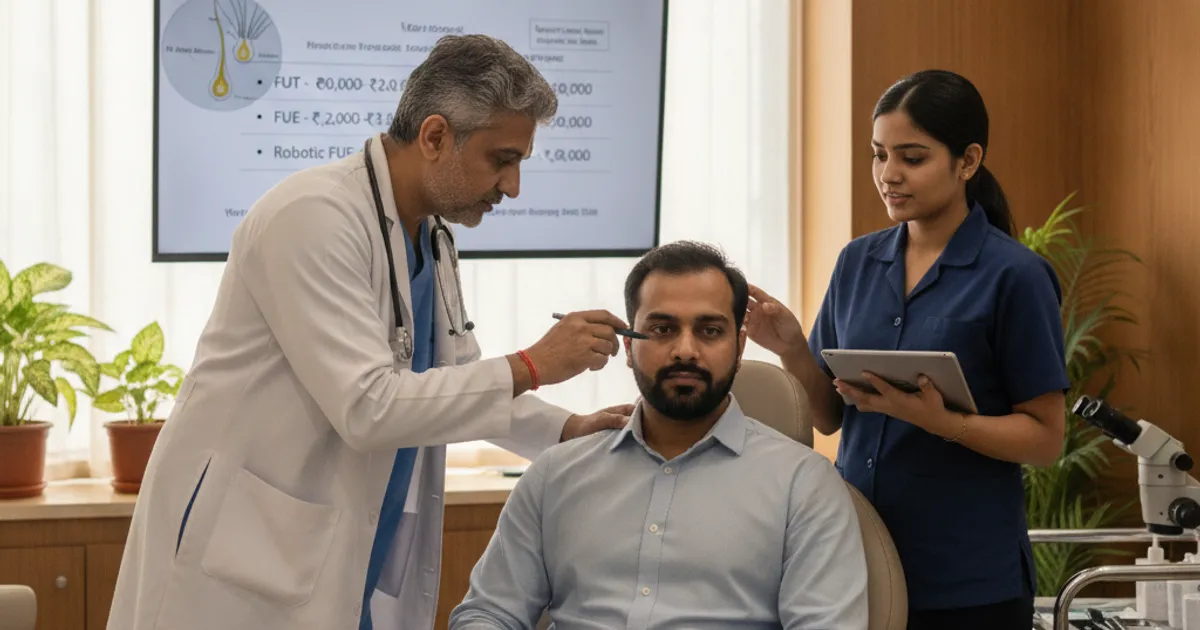
What Is Selenium Deficiency and How Does It Relate to Hair Growth?
Selenium is a trace mineral your body needs in very small amounts, but it plays an outsized role in how your cells handle oxidative stress. It gets built into selenoproteins, a family of enzymes that include glutathione peroxidases and thioredoxin reductases. These enzymes neutralise free radicals, support thyroid hormone metabolism, and help regulate cell growth and death. When selenium intake falls short of what the body needs, those systems start to run less efficiently, and tissues with fast cell turnover, like hair follicles, can feel it first. Selenium deficiency hair loss is not the most common cause of shedding, but it is a real and often overlooked one, especially in people with restricted diets or certain digestive conditions.
How Selenium Supports Hair Follicle Function
Hair follicles are among the most metabolically active structures in the body. They cycle through growth, regression, and rest phases, and each phase depends on a delicate balance of signalling molecules, hormones, and antioxidant defence. Selenium contributes to that balance in several ways. It helps protect the follicle's rapidly dividing cells from oxidative damage, supports the enzymes that convert thyroid hormones into their active form, and participates in the regulation of apoptosis, the programmed cell death that helps remodel the follicle during the catagen phase. When selenium is low, oxidative stress can build up, thyroid signalling can become less efficient, and the follicle's normal cycling may be disrupted, which can show up as increased shedding or slower regrowth.
- Acts as a cofactor for glutathione peroxidase, which neutralises hydrogen peroxide and lipid peroxides in follicle cells.
- Supports deiodinase enzymes that convert thyroxine (T4) into the active triiodothyronine (T3), which hair follicles depend on.
- Helps regulate apoptosis and cell proliferation during the hair cycle.
- Works alongside zinc, iron, and vitamin D, so a deficiency rarely acts alone.
- Contributes to the structural integrity of the hair shaft through selenoprotein incorporation.
Causes of Selenium Deficiency
Selenium deficiency usually develops when intake is low for a long time or when the body cannot absorb or retain what it takes in. Soil selenium content varies widely by region, so the same food can have very different selenium levels depending on where it was grown. In some parts of the world, notably certain regions of China, parts of Europe, and areas of New Zealand, soil selenium is naturally low, and populations there may need to rely on imported foods or supplementation. Beyond geography, several medical and lifestyle factors raise the risk.
- Low dietary intake, especially in vegan or vegetarian diets that avoid Brazil nuts, seafood, and organ meats.
- Malabsorption conditions such as Crohn's disease, celiac disease, or chronic pancreatitis.
- Bariatric surgery or any procedure that bypasses part of the small intestine.
- Long-term parenteral nutrition without adequate selenium supplementation.
- Chronic kidney disease, especially in patients on dialysis, where selenium can be lost.
- HIV infection, which is associated with lower selenium levels and increased oxidative stress.
- Pregnancy and lactation, which increase selenium requirements.
- Certain medications, including some antiepileptics and chemotherapy agents, that can affect selenium status.
| Risk Factor | Why It Matters |
|---|---|
| Low soil selenium region | Foods grown locally contain less selenium, so dietary intake drops even with a balanced diet. |
| Vegan or vegetarian diet | Plant foods are generally lower in selenium unless they are Brazil nuts or grown in selenium-rich soil. |
| Malabsorption | The small intestine cannot absorb selenium efficiently, leading to gradual depletion. |
| Bariatric surgery | Reduced absorptive surface area and altered gut anatomy lower selenium uptake. |
| Kidney disease or dialysis | Selenium is lost during dialysis and may not be adequately replaced. |
| Pregnancy and lactation | Increased demand can outpace intake, especially if reserves are already low. |
Symptoms of Selenium Deficiency Beyond Hair Loss
Hair loss is often one of the first visible signs of selenium deficiency, but it rarely travels alone. Because selenium is involved in thyroid function, immune response, and antioxidant defence, a shortage can produce a range of symptoms that may seem unrelated at first. Recognising the broader picture helps clinicians connect the dots and order the right tests.
- Diffuse hair thinning or shedding, often more noticeable on the scalp but sometimes affecting eyebrows and body hair.
- Brittle or discoloured nails, sometimes with white spots or ridges.
- Fatigue and low energy, which can overlap with thyroid dysfunction.
- Weakened immune response, leading to more frequent infections.
- Muscle weakness or aching, particularly in the shoulders, hips, and thighs.
- Cognitive fog or difficulty concentrating.
- In severe cases, cardiomyopathy or Keshan disease, a rare heart condition linked to very low selenium intake.
- Thyroid irregularities, including symptoms of hypothyroidism such as cold intolerance and weight gain.
Diagnosing Selenium Deficiency and Associated Hair Loss
Diagnosing selenium deficiency hair loss is not as simple as checking one number. Selenium status is best assessed through a combination of dietary history, blood tests, and a careful look at other possible causes of hair loss. Because selenium deficiency is relatively uncommon, doctors usually rule out more frequent culprits like iron deficiency, thyroid disorders, and androgenetic alopecia before settling on selenium as the main driver.
Treatment Options for Selenium Deficiency Hair Loss
Treatment depends on how low your selenium levels are and what is causing the deficiency. In mild cases, dietary changes may be enough. In more significant deficiencies, a doctor may recommend oral selenium supplements, usually in the form of selenomethionine or sodium selenite. The goal is to bring levels back into the normal range without overshooting, because excess selenium can be harmful. Alongside selenium correction, it is important to address any coexisting nutrient deficiencies and to treat pattern hair loss if it is present, since selenium alone may not fully explain the shedding.
- Dietary sources: Brazil nuts, tuna, sardines, eggs, sunflower seeds, and organ meats like liver and kidney.
- Oral supplements: dosage should be determined by a doctor based on blood test results and the severity of deficiency.
- Treat coexisting deficiencies: iron, zinc, vitamin D, and vitamin B12 are common co-travellers.
- Address underlying causes: manage malabsorption, adjust medications if possible, and monitor thyroid function.
- Medical hair loss treatments: finasteride and minoxidil for androgenetic alopecia, and platelet-rich plasma (PRP) for follicle stimulation.
- Topical treatments: minoxidil can help regrow hair while selenium levels are being corrected.
- Procedural options: hair transplant may be considered once the deficiency is corrected and hair loss has stabilised.
| Treatment | How It Works | Typical Use |
|---|---|---|
| Selenium-rich diet | Provides selenium in food form, which is generally well absorbed. | First-line for mild deficiency or prevention. |
| Oral selenium supplement | Directly raises serum selenium levels. | Moderate to severe deficiency, under medical supervision. |
| Finasteride | Blocks conversion of testosterone to DHT, slowing androgenetic hair loss. | Men with pattern hair loss, prescribed by a doctor. |
| Minoxidil | Prolongs the growth phase and widens blood vessels in the scalp. | Men and women with pattern hair loss, topical or oral. |
| PRP therapy | Injects concentrated platelets to stimulate follicle activity. | Adjunct for various hair loss types, including early pattern loss. |
| Hair transplant | Moves healthy follicles from donor areas to thinning areas. | Stable hair loss after deficiency correction. |
When Hair Transplant May Be Considered
A hair transplant is not a treatment for selenium deficiency itself. It is a surgical option for pattern hair loss that has stabilised and is unlikely to progress further. If your hair loss is mainly due to selenium deficiency, correcting the deficiency should be the first step, and in many cases, hair regrows on its own once levels normalise. A transplant becomes worth discussing when there is a permanent component to the loss, such as androgenetic alopecia, and when the deficiency has been corrected so that the remaining hair is stable. Transplanting into an area that is still actively shedding due to a nutritional deficiency can lead to poor results and wasted grafts.
- Your selenium levels have been corrected and confirmed by blood tests.
- Hair loss has stabilised for a sustained period, as determined by your doctor.
- You have a diagnosis of androgenetic alopecia or another permanent form of hair loss.
- Donor hair on the back and sides of the scalp is dense enough to support transplantation.
- You have realistic expectations about density, coverage, and the need for ongoing medical treatment.
- You are willing to continue finasteride, minoxidil, or PRP after surgery to protect the remaining hair.
Comparing Hair Loss Treatments: Selenium Correction vs. Medical and Procedural Options
It helps to think of hair loss treatment in layers. Selenium correction addresses a specific nutritional gap and is essential if that gap is contributing to your shedding. Medical treatments like finasteride and minoxidil target the hormonal and genetic drivers of pattern hair loss. Procedural options like PRP and hair transplant work on follicle stimulation and redistribution. Most people with significant hair loss need more than one approach, and the right combination depends on the underlying cause. The table below compares these options in terms of what they treat, how long they take to work, and what they cost in general terms.
| Treatment | Best For | Time to See Results | Relative Cost |
|---|---|---|---|
| Selenium correction | Nutritional deficiency-related shedding | Varies; typically several months | Low |
| Finasteride | Androgenetic alopecia in men | 6 to 12 months | Low to moderate |
| Minoxidil | Androgenetic alopecia in men and women | 3 to 6 months | Low |
| PRP therapy | Early to moderate pattern loss, adjunct therapy | 3 to 6 months | Moderate |
| Hair transplant | Stable, permanent hair loss with good donor supply | 6 to 12 months for full results | High |
Frequently Asked Questions
Can selenium deficiency really cause hair loss?
Yes. Selenium is needed for antioxidant defence and thyroid hormone metabolism, both of which support normal hair follicle cycling. When selenium is low, oxidative stress can build up and thyroid signalling can become less efficient, which may lead to increased shedding. That said, selenium deficiency is not the most common cause of hair loss, and it often occurs alongside other deficiencies like iron or zinc.
How much selenium do I need per day for healthy hair?
The recommended daily allowance for adults is set by national health authorities and varies slightly by country. Most people get enough from a varied diet that includes seafood, eggs, Brazil nuts, and whole grains. Taking more than the recommended amount does not make hair grow faster and can be harmful. Check with a doctor or registered dietitian for personalised guidance.
Will my hair grow back after correcting a selenium deficiency?
In many cases, yes, especially if the deficiency was the main cause of shedding and it is corrected early. Hair regrowth takes time because the follicle needs to complete its cycle. If androgenetic alopecia is also present, you may need additional treatments like finasteride or minoxidil to see meaningful regrowth.
Can too much selenium cause hair loss?
Yes. Selenium has a narrow safe range. Chronically high intake can cause selenosis, which can lead to hair loss, brittle nails, garlic-like breath, and neurological symptoms. This is why supplementation should be guided by a doctor and based on blood test results, not guesswork.
Is a hair transplant a good option for selenium deficiency hair loss?
A hair transplant is not a treatment for selenium deficiency. It is a surgical option for permanent hair loss, usually androgenetic alopecia. If your hair loss is mainly due to selenium deficiency, correcting the deficiency should come first. A transplant may be considered later if there is a stable, permanent component to the loss and your selenium levels are normal.
Which foods are highest in selenium?
Brazil nuts are the standout source, with just one or two nuts providing a full day's requirement. Other good sources include tuna, sardines, salmon, eggs, sunflower seeds, liver, and kidney. The selenium content of plant foods depends heavily on the soil they were grown in, so levels can vary.
Should I take a selenium supplement if I have hair loss?
Only if a blood test shows you are deficient and a doctor recommends it. Taking selenium without a confirmed deficiency is unlikely to help and can be harmful. If you suspect a deficiency, ask your doctor for a serum selenium test and a full nutrient panel that includes iron, ferritin, zinc, vitamin D, and thyroid function.
More Guides
- Minoxidil Contact Dermatitis: Signs and Alternatives
Learn the signs of minoxidil contact dermatitis, how it's diagnosed, treatment options, and alternatives like finasteride, PRP, and hair transplant surgery.
- Can Radiotherapy Cause Hair Loss? What to Expect
Radiotherapy can cause temporary or permanent hair loss. Learn the causes, symptoms, diagnosis, treatment options, and whether a hair transplant is suitable.
- Hair Loss After Illness or High Fever: When Does It Stop?
Hair loss after illness or high fever is usually temporary telogen effluvium. Learn causes, symptoms, diagnosis, treatment, and when a hair transplant may help.
- Can Dandruff Cause Hair Loss? Facts vs Folklore
Does dandruff cause hair loss? We separate fact from folklore, explain the real connection, diagnosis, treatments, and when a hair transplant makes sense.