
Hair Transplant Abroad: Real Risks vs Savings
Hair transplant abroad: real risks vs savings. Learn what's included, how to vet clinics, plan recovery, and aftercare. Practical guide for overseas surgery.
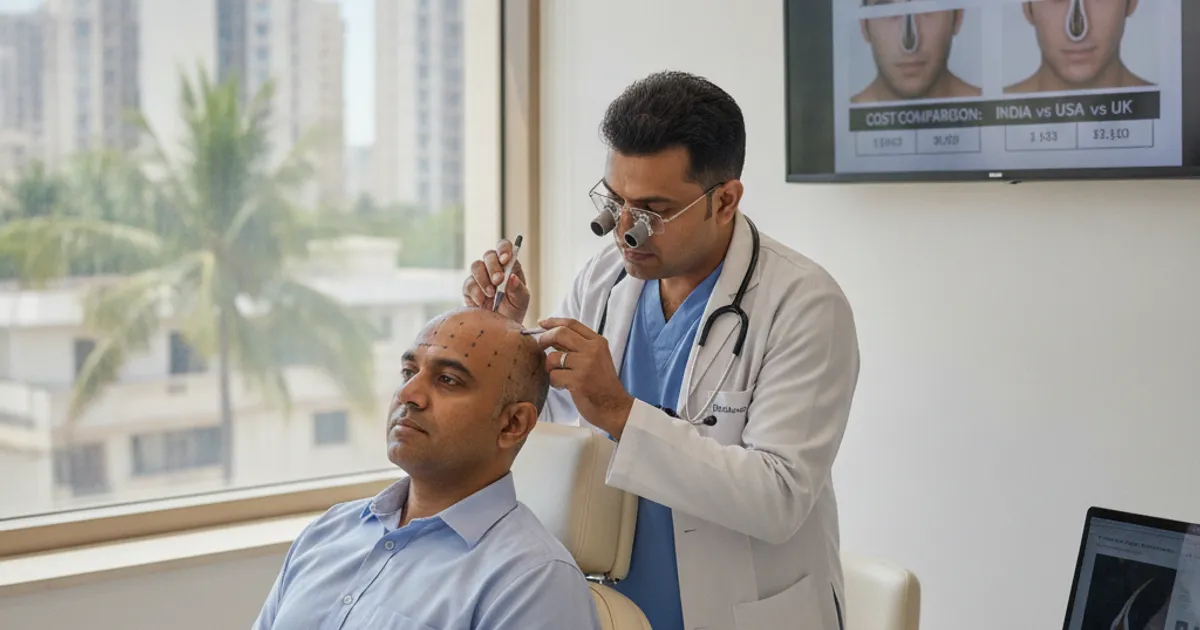
Hair Transplant Abroad: Real Risks vs Savings Breakdown
Thinking about a hair transplant abroad? You're not alone. Lower prices, all-inclusive packages, and the promise of a quick recovery draw many patients overseas each year. But the decision isn't just about the sticker price. You need to weigh real risks against realistic savings, understand what's included, and plan your recovery carefully. This guide breaks it down so you can make an informed choice.
Why Patients Consider Going Abroad for a Hair Transplant
The main driver is cost. In countries like the UK, US, or Australia, hair transplant prices can be steep. Overseas clinics in Turkey, Thailand, Mexico, or Eastern Europe often advertise packages that include surgery, hotel, and transfers for a fraction of the price. Other reasons include shorter waiting times, the chance to combine surgery with a vacation, and access to clinics that specialize in high-volume procedures.
- Significant cost savings compared to domestic clinics
- All-inclusive packages that bundle surgery, accommodation, and transfers
- Shorter waiting lists and faster scheduling
- Opportunity to travel and recover in a different environment
- Access to clinics with extensive experience in FUE and DHI techniques
What You Can Realistically Save — and What You Can't
Savings vary widely depending on the country, clinic reputation, and the extent of your hair loss. It's not just the surgery fee — you need to factor in flights, visas, time off work, and potential follow-up costs. While the upfront price may be lower, the total cost of the trip can add up. Also, if complications arise, you might end up paying more for corrective work back home.
The Real Risks of Overseas Hair Transplant Clinics
Going abroad for surgery introduces risks you wouldn't face at home. Language barriers can lead to misunderstandings about expectations. Regulatory standards vary, and not all clinics are held to the same hygiene or safety protocols. If something goes wrong after you return home, getting follow-up care or a revision can be difficult and expensive. There's also the risk of unlicensed practitioners or technicians performing the surgery without proper supervision.
- Communication gaps: language differences can affect consultation and aftercare instructions
- Variable regulation: not all countries enforce the same medical standards
- Limited recourse: pursuing legal action or refunds across borders is complex
- Aftercare challenges: once home, you may struggle to find a local doctor willing to manage complications
- Hidden costs: complications, revisions, or extended stays can erase savings
What's Usually Included in an Abroad Package (and What's Not)
Most overseas packages advertise a bundle: surgery, hotel, transfers, and sometimes medication. But the details matter. Some clinics include PRP therapy, while others charge extra. Airport pickup might be offered, but not always. Understanding exactly what's covered helps you compare apples to apples.
- Surgery and surgeon fees
- Pre-operative consultations and blood tests
- Hotel accommodation for a set number of nights
- Airport transfers to and from the clinic or hotel
- Post-operative medications and shampoos
- PRP (platelet-rich plasma) therapy — sometimes included, often optional
- Translator services — may be available but not guaranteed
Typical Package
Included
- ✓ Surgery and standard aftercare
- ✓ Hotel stay (a set number of nights)
- ✓ Airport transfers
- ✓ Basic medication kit
Often Not Included
Extra
- ✓ Flights and visa fees
- ✓ PRP therapy
- ✓ Additional hotel nights
- ✓ Follow-up visits after return home
- ✓ Revision surgery
How to Vet a Clinic Abroad Before You Book
Doing your homework is non-negotiable. Start by checking the surgeon's credentials and whether they're a member of a recognized international body. Look for real patient reviews on independent platforms, not just the clinic's website. Ask for a detailed quote that lists every inclusion and exclusion. If possible, speak to former patients. And never rush — a reputable clinic will answer all your questions without pressure.
Planning Your Trip: Timeline, Recovery, and Aftercare
A hair transplant abroad requires careful timing. You'll need to arrive a day or two before surgery for consultations, then stay for a few days after for initial recovery. Most people take some time off work. The first few days involve swelling, scabbing, and sensitivity. You'll need to avoid strenuous activity for a period. Plan your return flight for when you're comfortable traveling, and arrange for someone to help you at home if possible.
Aftercare Once You're Home: The First Two Weeks
The first two weeks after surgery are critical. Your scalp will be healing, and the grafts are fragile. You'll need to follow a strict routine: gentle washing, avoiding sun exposure, and sleeping upright to reduce swelling. Most clinics provide a detailed aftercare guide, but it's up to you to stick to it. If you notice signs of infection — redness, pus, fever — contact a doctor immediately.
- Rest, sleep upright, apply cold compresses to reduce swelling.
- Start gentle washing as instructed; avoid scratching or picking scabs.
- Scabs will fall off naturally; continue gentle washing and avoid direct sun.
- Avoid strenuous exercise, swimming, and saunas for a period.
- Take prescribed medications and use any recommended sprays or ointments.
- Attend a follow-up appointment with a local doctor if possible.
Frequently Asked Questions
Is it safe to get a hair transplant abroad?
It can be safe if you choose a reputable, accredited clinic with a qualified surgeon. However, standards vary by country, so thorough research is essential. Check credentials, read reviews, and ask about aftercare.
How much can I really save by going abroad?
Savings depend on the country and clinic. You must factor in travel, accommodation, and potential follow-up costs. The total savings may be less than the upfront difference.
What if I have complications after returning home?
Contact your surgeon immediately for advice. If needed, see a local doctor. Some clinics offer virtual follow-ups, but complex issues may require in-person care. Always have a local backup plan.
How long should I stay abroad after the procedure?
Most clinics recommend staying a few days after surgery for initial checks. Some patients stay longer if they want extra monitoring. Your surgeon will advise based on your recovery.
More Guides
- Hair Transplant Graft Count: How Many Do You Need?
How many grafts for a hair transplant? Learn how graft counts are estimated, typical ranges by Norwood stage, and what to confirm before surgery.
- How to Choose a Hair Transplant Surgeon: Credentials to Check
Learn how to choose a hair transplant surgeon by checking credentials, board certification, training, and real patient results. A practical guide.
- Costco Finasteride: Price, Membership & Prescription Steps
A practical guide to getting finasteride at Costco: membership rules, prescription steps, generic vs. brand costs, and aftercare planning.
- Smoking and Hair Transplant Healing: What to Know
Smoking slows hair transplant healing and threatens graft survival. Learn why to stop before surgery, how long to avoid nicotine after, and recovery tips.