
Hair Transplant Aftercare Products: What to Use & Avoid
A practical guide to hair transplant aftercare products: which cleansers, moisturizers, and sunscreens to use, what to avoid, and when to use each.
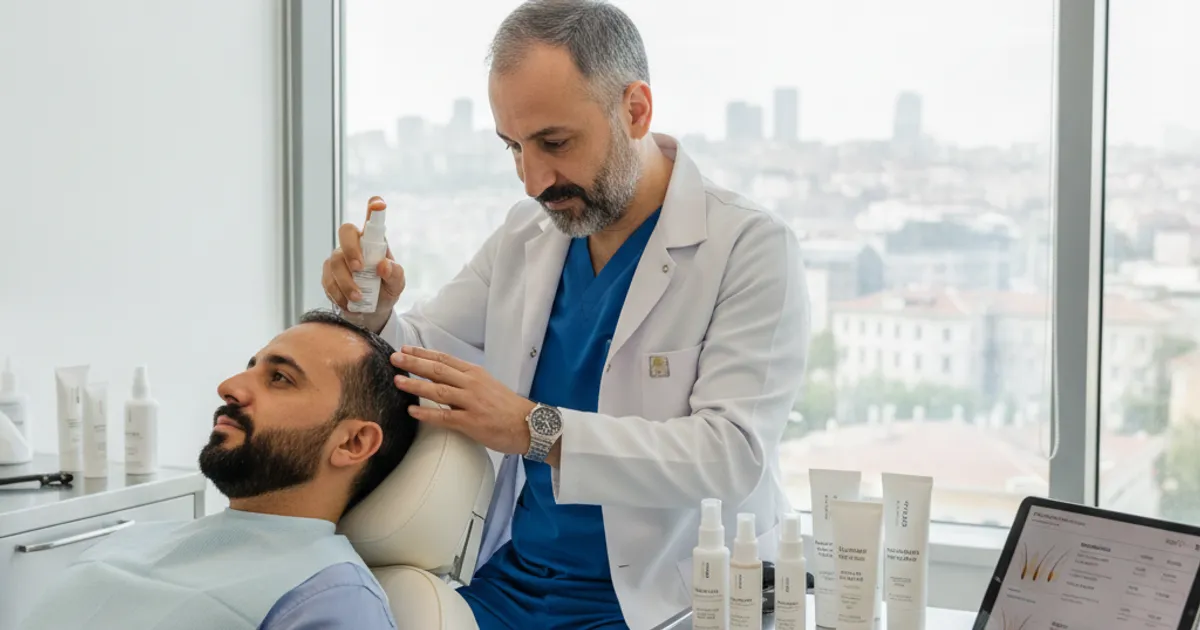
Getting a hair transplant is a big step, but the real work starts after you leave the clinic. The products you use on your scalp in the days and weeks following surgery can make or break your results. Use the wrong shampoo or slap on a harsh styling gel too soon, and you risk irritating grafts, slowing healing, or even damaging new growth. This guide cuts through the noise and gives you a clear, practical list of hair transplant aftercare products to use and avoid, plus a timeline for when to introduce each one. Always confirm specifics with your surgeon, since protocols vary by clinic and technique.
Why Aftercare Products Matter for Your Transplant
Your newly transplanted follicles are fragile. For the first week or so, they're essentially held in place by a delicate scab and need a stable environment to anchor. Harsh chemicals, abrasive scrubs, or even a strong stream of water can dislodge them. Later, as the scalp heals and sheds, the right moisturizers and gentle cleansers help reduce itching, prevent infection, and keep the scalp healthy for optimal growth. Think of aftercare products as part of the procedure itself—they directly influence how well your investment pays off.
It's also worth understanding the phases your scalp goes through. In the first few days, the priority is protecting the grafts and keeping the area clean without disturbing it. Around the end of the first week, scabs begin to form and then gradually loosen. By the second and third week, itching is common as healing progresses. Then comes the shedding phase, where transplanted hairs fall out before new growth begins. Each phase calls for a different approach to products, which is why a one-size-fits-all routine doesn't work.
Products to Use: Cleansers, Moisturizers, and Sun Protection
Stick to products that are mild, fragrance-free, and recommended by your surgeon. Here's what generally works well:
- Gentle, pH-balanced cleansers: Look for baby shampoo or specially formulated post-op cleansers. They clean without stripping natural oils or irritating the scalp.
- Moisturizing lotions or creams: A light, unscented moisturizer helps soothe dryness and itching around the donor and recipient areas. Avoid heavy creams that clog pores.
- Sunscreen (SPF 30+): Once healed, protect your scalp from UV damage. Use a physical (mineral) sunscreen with zinc oxide or titanium dioxide—chemical sunscreens can sting.
- Saline sprays: Some clinics recommend saline solution to keep the scalp hydrated in the first few days.
- Soft towels and gentle application: Pat dry, never rub. Use clean, soft towels or let hair air-dry.
Beyond the basics, some surgeons suggest a post-op kit that includes a mild cleanser, a healing ointment, and a spray bottle for gentle rinsing. If your clinic offers one, use it—these kits are put together with the specific needs of healing grafts in mind. If not, ask for a short list of brands they trust. Don't assume that expensive equals better; simple, fragrance-free drugstore options often work just as well as premium products.
Products to Avoid: Harsh Chemicals, Abrasives, and More
Just as important as what you use is what you keep away from your scalp. Avoid these until your surgeon gives the all-clear:
- Shampoos with sulfates, parabens, or strong fragrances: These can irritate healing skin and dry out grafts.
- Alcohol-based products: Hairsprays, gels, and tonics containing alcohol can burn or dry the scalp.
- Exfoliating scrubs or brushes: Any physical abrasion can dislodge grafts or cause micro-tears.
- Chemical treatments: Dyes, perms, and relaxers should be avoided for several weeks—often 4–6 weeks minimum.
- Harsh styling tools: Hot blow dryers, straighteners, and curling irons can damage fragile new hair.
- Petroleum-based ointments: Unless prescribed, heavy ointments can trap bacteria and clog pores.
Timeline: When to Use Each Product
Timing is everything. Your clinic will give you a specific schedule, but here's a general guide based on typical recovery milestones. Always follow your surgeon's instructions over any general advice.
| Phase | What to Use | What to Avoid |
|---|---|---|
| Days 1–3 (immediate post-op) | Saline spray, prescribed ointment, gentle cleanser (if advised) | Any rubbing, direct water pressure, all styling products |
| Days 4–7 (early healing) | Gentle baby shampoo, light moisturizer | Scrubs, harsh shampoos, sun exposure |
| Week 2–4 (scab shedding) | Moisturizer to reduce itching, mild cleanser | Picking scabs, alcohol-based products |
| Month 2–3 (growth phase) | Sunscreen (SPF 30+), gentle shampoo | Chemical treatments, hot tools |
| Month 4+ (stabilization) | Regular gentle hair care, sunscreen | Harsh chemicals if scalp still sensitive |
A few notes on the timeline: the exact days can shift depending on whether you had FUT or FUE, how many grafts were placed, and how quickly you heal. Some clinics allow gentle washing as early as day two, while others prefer you wait until day five. The key is to never rush. If something stings or feels wrong, stop and check with your surgeon.
How to Choose Safe Aftercare Products
Not sure where to start? Use these criteria to pick products that won't jeopardize your transplant:
- Fragrance-free and dye-free: Less chance of allergic reaction or irritation.
- Recommended by your clinic: Many surgeons have a short list of trusted brands—ask for it.
- Minimal ingredients: The fewer chemicals, the better for sensitive skin.
- pH-balanced: Avoid anything too acidic or alkaline.
- Non-comedogenic: Won't clog pores or cause folliculitis.
- Patch test first: Apply a small amount to your inner arm before using on the scalp.
When in doubt, simpler is safer. A plain, unscented baby shampoo and a basic mineral sunscreen cover most of your needs. You don't need a ten-step routine—just consistent, gentle care. Also, check expiration dates. Old products can harbor bacteria, and your healing scalp is more vulnerable than usual.
Common Mistakes to Avoid
Even well-meaning patients slip up. Here are the most frequent aftercare mistakes and how to dodge them:
- Over-washing: Cleaning too aggressively or too often can irritate grafts. Stick to the schedule.
- Using old products: That half-empty bottle of shampoo from last year may contain bacteria or harsh ingredients.
- Skipping sunscreen: UV rays can damage healing skin and cause hyperpigmentation.
- Picking at scabs: Let them fall off naturally—picking can pull out grafts.
- Starting styling products too soon: Wait until your surgeon clears you, often 2–4 weeks.
- Ignoring signs of infection: Redness, swelling, or pus warrants a call to your clinic.
FAQ: Hair Transplant Aftercare Products
When can I use regular shampoo after a hair transplant?
Most clinics advise waiting at least 7–10 days before switching from a gentle post-op cleanser to a regular mild shampoo. Always confirm with your surgeon, as timelines vary based on technique and healing speed.
Can I use sunscreen on my scalp after a transplant?
Yes, but not immediately. Wait until the scalp is fully healed—usually 2–4 weeks—and then use a physical (mineral) sunscreen with SPF 30 or higher. Chemical sunscreens may irritate healing skin.
Are natural or organic products safe for aftercare?
Not necessarily. 'Natural' doesn't mean gentle—essential oils and plant extracts can cause irritation. Stick to fragrance-free, hypoallergenic products recommended by your clinic.
How long should I avoid hair dye after a transplant?
Most surgeons recommend waiting at least 4–6 weeks, and some advise up to 8 weeks, to let the scalp fully recover. Chemical dyes can be harsh on new grafts.
Can I use minoxidil or other hair growth products after surgery?
Many surgeons allow minoxidil to resume after about two weeks, but some prefer you wait longer. Ask your clinic before restarting any topical treatments, including minoxidil, finasteride, or supplements.
One final reminder: every clinic has its own aftercare protocol, and your surgeon's instructions should always come first. The products and timelines here are general guidance based on common practice, not a substitute for personalized medical advice. If you're unsure about a product, call your clinic—it's a quick question that can save you weeks of worry.
More Guides
- Hair Transplant Graft Count: How Many Do You Need?
How many grafts for a hair transplant? Learn how graft counts are estimated, typical ranges by Norwood stage, and what to confirm before surgery.
- How to Choose a Hair Transplant Surgeon: Credentials to Check
Learn how to choose a hair transplant surgeon by checking credentials, board certification, training, and real patient results. A practical guide.
- Costco Finasteride: Price, Membership & Prescription Steps
A practical guide to getting finasteride at Costco: membership rules, prescription steps, generic vs. brand costs, and aftercare planning.
- Smoking and Hair Transplant Healing: What to Know
Smoking slows hair transplant healing and threatens graft survival. Learn why to stop before surgery, how long to avoid nicotine after, and recovery tips.