
Hair Transplant Day by Day: Recovery Timeline and Growth Stages
Hair transplant day by day: a clear recovery timeline from day 1 to month 12, including when to wash, when scabs fall off, and when new hair grows.
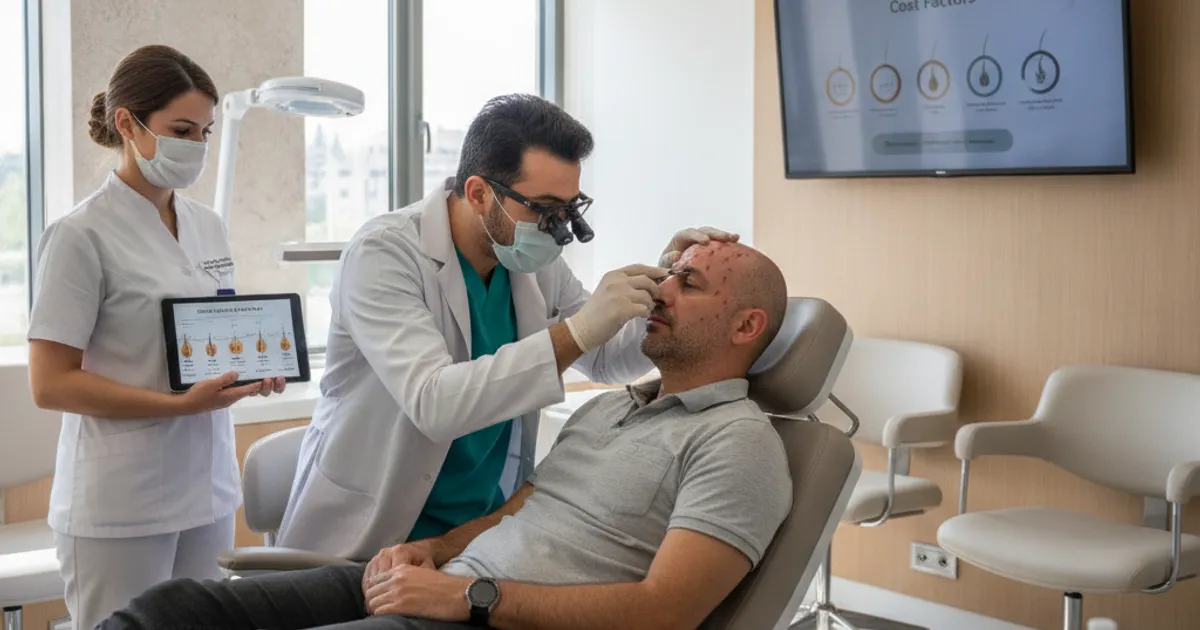
What happens day by day after a hair transplant?
A hair transplant day by day follows a predictable pattern: the first few days are about protecting fresh grafts, the first week involves scabs and the first gentle wash, weeks 2–4 bring shock loss and redness, months 2–6 are the dormant phase, and months 6–12 deliver visible new growth. Most people look presentable by week 2 and see real density by month 8. This guide walks you through each stage so you know what's normal and when to expect results.
What is the day-by-day timeline after a hair transplant?
Here is the full recovery arc at a glance. Every clinic tweaks the details, but the broad strokes are the same for FUE and FUT.
| Timeframe | What's happening | What you can do |
|---|---|---|
| Days 1–3 | Grafts are anchoring; scabs form; swelling peaks | Sleep upright, no washing, no touching |
| Days 4–7 | First gentle wash; scabs start to loosen | Follow clinic wash routine, avoid sun |
| Weeks 2–4 | Scabs gone; shock loss begins; redness fades | Back to normal routine, no harsh products |
| Months 2–6 | Dormant phase; some new growth starts month 3–4 | Be patient, keep scalp clean |
| Months 6–12 | Visible density; hair thickens and matures | Enjoy results, consider a top-up if needed |
What happens on days 1–3 after a hair transplant?
The first 72 hours are the most delicate. The grafts are literally settling into their new home, and any friction, sun, or sweat can dislodge them. Expect some swelling on the forehead and a tight, tender scalp.
- Sleep with your head elevated at 45 degrees to reduce swelling.
- Do not wash, scratch, or touch the recipient area.
- Avoid alcohol, smoking, and strenuous exercise.
- Take any prescribed antibiotics or painkillers exactly as directed.
- Expect small amounts of oozing or crusting — this is normal.
What happens on days 4–7 after a hair transplant?
This is when you start gentle washing, usually with a mild shampoo and lukewarm water. The scabs begin to soften and lift. By day 7, most clinics give the green light for a normal (but still careful) wash.
- Use only the shampoo and technique your clinic recommends.
- Pat — never rub — the transplanted area dry.
- Scabs will flake off naturally; do not pick them.
- Redness and mild itching are common and settle within a week.
- You can usually return to desk work, but avoid hats that rub.
What happens in weeks 2–4 after a hair transplant?
By week 2, the scabs are gone and the scalp looks less angry. Around week 3, shock loss kicks in — the transplanted hairs shed. This is expected and does not mean the transplant failed. The follicles are dormant, not dead.
- Shock loss peaks around weeks 3–4 and can look alarming.
- Redness fades gradually; some people use mineral makeup to cover it.
- Avoid swimming pools, saunas, and direct sun for at least 2 weeks.
- You can resume light exercise after 7–10 days, heavy lifting after 2–3 weeks.
- Keep the scalp moisturised if your clinic recommends it.
What happens in months 2–6 after a hair transplant?
This is the quiet phase. Nothing much happens visually for the first 8–12 weeks, which is why so many people worry. Around month 3–4, fine new hairs start to poke through. By month 6, you should see a noticeable difference.
- Months 2–3: dormant phase, little visible change.
- Month 3–4: first new growth appears as fine, wispy hairs.
- Month 5–6: density improves; hair thickens and darkens.
- Avoid dyeing or chemically treating the hair until month 6.
- Take progress photos monthly to track real change.
What happens in months 6–12 after a hair transplant?
This is the payoff period. The new hair matures, thickens, and blends with your natural hair. By month 12, you are seeing the final result — though some clinics say full maturation can take up to 18 months.
- Month 6–9: density becomes obvious; you can style normally.
- Month 9–12: hair reaches full thickness and texture.
- You can colour, cut, and treat the hair as normal after month 6.
- If you are unhappy with density, discuss a top-up with your clinic after month 12.
- Maintain with minoxidil or finasteride if your doctor recommends it.
When should you contact your clinic during recovery?
Most recovery is smooth, but some symptoms need a professional eye. Call your clinic if you notice any of the following.
- Severe pain that painkillers do not touch.
- Spreading redness, pus, or a bad smell from the scalp.
- A fever above 38°C (100.4°F).
- Sudden, heavy bleeding from the donor or recipient area.
- Grafts falling out in clumps in the first 3 days.
Frequently asked questions about hair transplant recovery
How long does it take to look normal after a hair transplant?
Most people look presentable within 10–14 days once scabs are gone and redness fades. However, the scalp may still have some redness for several weeks, and the transplanted area will not look fully natural until new hair grows in. Visible density typically emerges around month 6, with final maturation by month 12. So while you can return to normal activities relatively quickly, the cosmetic result continues to improve over the first year.
When can I wash my hair normally after a hair transplant?
You can usually wash gently from day 3–4, following your clinic's instructions. Normal washing with your regular shampoo is typically fine from day 10–14.
Is it normal to lose transplanted hair after a hair transplant?
Yes. Shock loss around weeks 3–4 is expected. The transplanted hairs shed, but the follicles remain and will produce new growth from month 3–4 onwards.
When can I exercise or swim after a hair transplant?
Light exercise after 7–10 days, heavy lifting after 2–3 weeks, and swimming in pools or the sea after 2–3 weeks once the scalp has fully closed.
Where can you learn more about hair transplant procedures and clinics?
If you are still comparing options, Clinic Reccy has detailed guides on techniques, costs, and aftercare. Start with our hair transplant recovery guide, then browse clinic listings in your area to compare surgeons and prices.
More Guides
- Hair Transplant and Blood Thinners: Safety and Timing
Can you have a hair transplant on blood thinners? Learn why they matter, which ones raise bleeding risk, how long to stop before surgery, and when to restart.
- Finasteride and PSA Testing: What You Need to Know
Finasteride lowers PSA levels, so your test results need careful interpretation. Learn how finasteride affects PSA, the adjustment factor, and what to tell your
- Can You Cure a Receding Hairline? What's Realistic
Can you cure a receding hairline? Learn what's realistic with medications, transplants, and lifestyle changes, plus expected results and costs.
- Minoxidil Hair Thinning Before Growth: Is It Normal?
Is minoxidil hair thinning before growth normal? Yes, it's a common sign the treatment is working. Learn why it happens, how long it lasts, and when to worry.