
Hair Transplant for Afro Hair: What You Need to Know
Yes, hair transplants work for Afro hair. Learn how Afro hair transplants differ, which techniques work best, costs, and how to choose the right clinic.
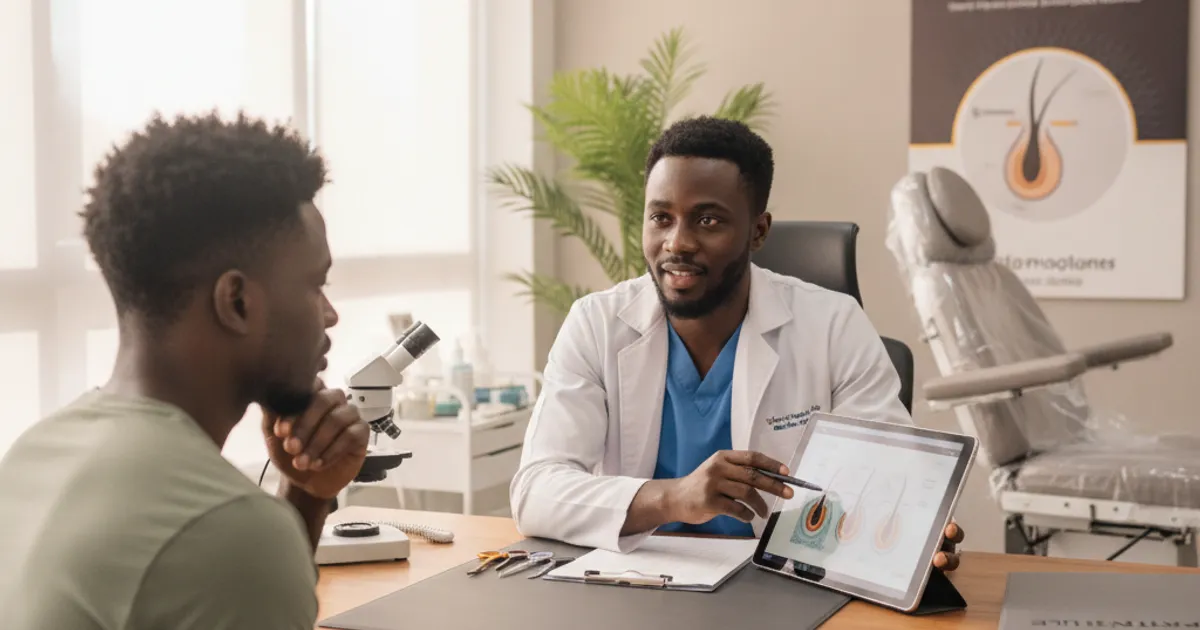
Hair Transplant for Afro Hair: What You Need to Know
If you have Afro hair and you're losing it, you've probably wondered whether a transplant is even an option. The short answer is yes. Hair transplants work for Afro hair, but the procedure is different from what you'd see in most standard clinics.
Afro hair has a distinct curl pattern, a flatter follicle shape, and a higher risk of scarring. That means the surgeon needs specific skills and tools. Not every clinic has them. This guide covers what makes Afro hair transplants different, which techniques work best, what you can expect to pay, and how to find a clinic that actually knows what it's doing.
What Makes Afro Hair Transplants Different?
Afro hair isn't just curlier. The follicles themselves are shaped differently, and the hair grows at a sharper angle. That changes how a surgeon extracts, handles, and places each graft. Here's what sets Afro hair transplants apart:
- Curved follicles: Afro hair follicles are oval or kidney-shaped, making them trickier to extract without damage.
- Tighter curl pattern: The curl makes it harder to see the direction of growth, which affects how grafts are placed.
- Higher scarring risk: Some studies suggest Afro hair may be more prone to keloid scarring, so incisions must be smaller and more precise.
- Lower graft density: You often need more grafts to cover the same area compared to straighter hair types.
- Donor area care: The back and sides of the scalp can be more sensitive, so over-harvesting is a real concern.
Because of these differences, a surgeon who only works with straight hair may not get good results. You need someone who regularly treats Afro hair and understands its biology.
Which Hair Transplant Techniques Work Best for Afro Hair?
Two main techniques are used for hair transplants: Follicular Unit Extraction (FUE) and Follicular Unit Transplantation (FUT). Both can work for Afro hair, but they have different pros and cons. Here's how they compare:
| Technique | How It Works | Best For | Scarring | Recovery |
|---|---|---|---|---|
| FUE | Individual follicles extracted with a micro-punch | Smaller areas, patients who wear short hair | Small dot scars | Faster |
| FUT | A strip of scalp removed and dissected | Larger areas, patients with tight scalps | Linear scar | Slower |
For Afro hair, FUE is often preferred because it leaves less visible scarring and allows for a more natural hairline. But FUT can be better if you need a large number of grafts and have a flexible scalp. The right choice depends on your hair loss pattern, donor area, and how you like to wear your hair.
How Much Does a Hair Transplant for Afro Hair Cost?
Costs vary widely depending on where you go, how many grafts you need, and the clinic's reputation. Afro hair transplants often cost more because they require more grafts and a more experienced surgeon. Here's a breakdown by stage of hair loss:
These are averages. In major cities like London or New York, you'll pay more. In Turkey or Mexico, you might pay less, but you need to be extra careful about clinic quality. Don't choose a clinic based on price alone.
What Results Can You Expect from an Afro Hair Transplant?
Results depend on your surgeon's skill, your hair characteristics, and how well you follow aftercare instructions. Most people see noticeable growth within a few months, with full results taking up to a year or more. Here's what you can realistically expect:
- Natural-looking hairline: A good surgeon will mimic your natural growth pattern and curl.
- Improved density: You won't get back your teenage hair, but you can get a fuller look.
- Scarring: FUE leaves tiny dot scars that are usually hidden by hair. FUT leaves a linear scar.
- Maintenance: You may still need medication like minoxidil or finasteride to keep your existing hair.
- Realistic expectations: If you're completely bald, you may not be a candidate. A consultation will tell you.
How Do You Choose the Right Clinic for Afro Hair?
This is the most important step. A bad clinic can waste your money and leave you with unnatural results or scarring. But a good clinic can change your life. Here's what to look for:
- Experience with Afro hair: Ask to see before-and-after photos of patients with your hair type.
- Surgeon involvement: Make sure the surgeon does the extraction and placement, not just technicians.
- Consultation: A good clinic will assess your donor area and discuss realistic goals.
- Reviews: Look for reviews from Black patients specifically. Be cautious if a clinic can't show you relevant experience.
- Aftercare: Good clinics provide clear aftercare instructions and follow-up appointments.
If you're considering traveling abroad, read our guide on hair transplant cost in Turkey. And if you're in Canada, check out our list of hair transplant clinics in Toronto.
Frequently Asked Questions
Can Afro hair be used as donor hair?
Yes. The back and sides of the scalp usually have healthy, permanent hair that can be transplanted. The key is that the surgeon knows how to handle the curl pattern.
Is a hair transplant for Afro hair more painful?
Not necessarily. The procedure is done under local anesthesia, so you shouldn't feel pain during it. Some patients report more tenderness afterward because of the tighter curl, but it's manageable.
How long does it take to see results?
You'll see initial growth within a few months, with significant improvement over the first year. Full results can take up to 18 months.
Can I wear my hair in braids or dreadlocks after a transplant?
You should avoid tight hairstyles for several months to let the grafts heal. After that, you can usually return to your normal style, but be gentle to avoid traction alopecia.
More Guides
- Hair Transplant and Blood Thinners: Safety and Timing
Can you have a hair transplant on blood thinners? Learn why they matter, which ones raise bleeding risk, how long to stop before surgery, and when to restart.
- Finasteride and PSA Testing: What You Need to Know
Finasteride lowers PSA levels, so your test results need careful interpretation. Learn how finasteride affects PSA, the adjustment factor, and what to tell your
- Can You Cure a Receding Hairline? What's Realistic
Can you cure a receding hairline? Learn what's realistic with medications, transplants, and lifestyle changes, plus expected results and costs.
- Minoxidil Hair Thinning Before Growth: Is It Normal?
Is minoxidil hair thinning before growth normal? Yes, it's a common sign the treatment is working. Learn why it happens, how long it lasts, and when to worry.