
Hair Transplant After 60: What Changes and How to Plan
Hair transplant after 60: candidacy, donor supply, healing, planning, recovery, aftercare, and clinic choice for older men. A practical guide.
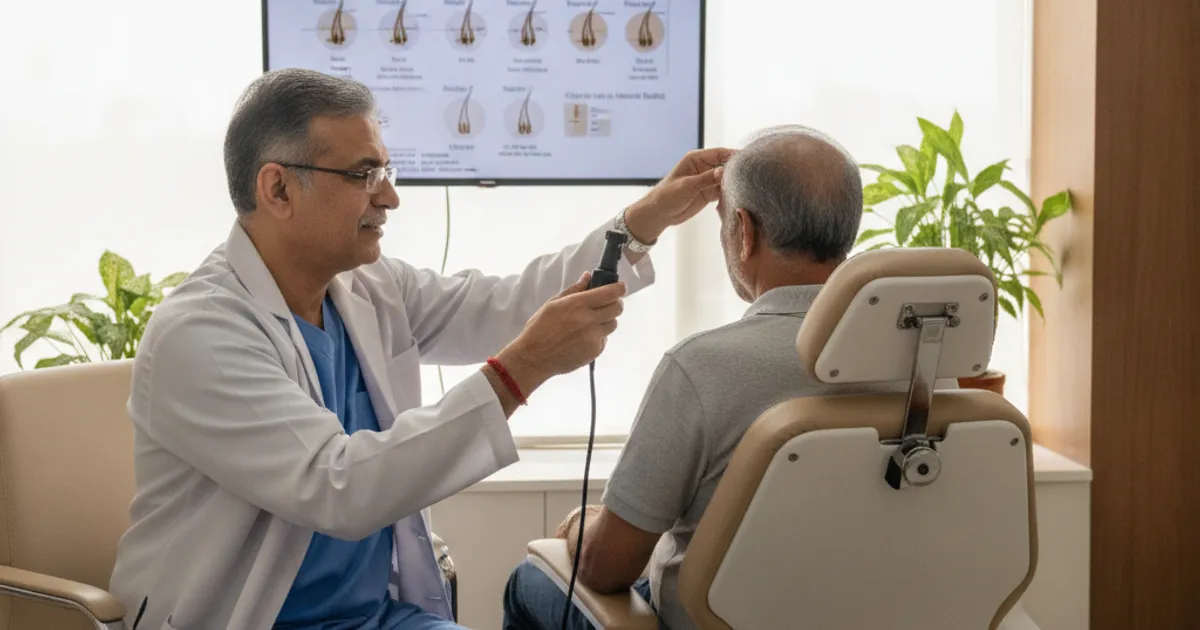
Hair Transplant After 60: What Actually Changes
A hair transplant after 60 is still a hair transplant. The surgery itself does not change much. What changes is the context around it: your donor supply, how your scalp heals, your overall health, and what a realistic result looks like. Most men over 60 are not automatically disqualified. But the planning stage matters more than it does for a 35-year-old. This guide walks through what actually shifts after 60 and how to prepare for it.
How Age Affects Candidacy, Donor Supply, and Healing
The biggest variable is donor supply. Hair loss usually stabilizes by your 60s, which can actually help planning. But the donor area on the back and sides of the scalp may have thinned over decades. If the donor zone is too sparse, there is less hair to move. Scalp elasticity also declines with age, which can affect how densely grafts can be packed. Healing tends to be slower, and underlying conditions like high blood pressure or diabetes need to be managed before surgery.
- Donor density: the back and sides may have thinned, limiting how many grafts are available.
- Scalp laxity: less elastic skin can reduce how tightly grafts can be placed.
- Healing speed: older skin often takes longer to recover from micro-wounds.
- Medication interactions: blood thinners, blood pressure drugs, and diabetes meds need review.
- Hair loss pattern: if loss has stabilized, planning is easier than in younger men with active loss.
Medical Clearance and Realistic Goals Before Surgery
Before any surgery, you need medical clearance. This is not a formality. A clinic will usually ask for a recent physical, blood work, and a list of medications. If you have heart disease, uncontrolled diabetes, or a bleeding disorder, you may need sign-off from your specialist. Goals also need a reality check. After 60, the aim is often restoration rather than a full head of hair. A good surgeon will tell you what is achievable with your donor supply and how many sessions it may take.
What a Typical Treatment Plan Includes
A treatment plan for an older man usually starts with a consultation and scalp assessment. The surgeon measures donor density, checks scalp laxity, and maps the recipient area. Most plans use follicular unit extraction (FUE) or follicular unit transplantation (FUT). FUE is often preferred for shorter recovery and less scarring, but FUT may allow more grafts in one session. The plan also includes a graft count, a session schedule, and aftercare instructions.
- Consultation and scalp assessment with graft measurement.
- Choice of FUE or FUT based on donor supply and goals.
- Graft count and session plan (single or staged).
- Pre-op instructions including medication adjustments.
- Post-op aftercare and follow-up schedule.
Recovery After Hair Transplant for Men Over 60
Recovery after 60 is not dramatically different, but it can be slower. The first few days involve swelling, scabbing, and tenderness. Older skin may take a bit longer to heal, so patience is part of the process. Your clinic will give you a specific recovery schedule based on your health and the size of the procedure. Follow their instructions closely rather than comparing yourself to younger patients.
Aftercare That Protects Your Results
Aftercare is where results are won or lost. The first two weeks are critical. Keep the scalp clean, avoid sun exposure, and do not scratch or pick at scabs. Sleep with your head elevated for the first few nights to reduce swelling. Follow the clinic's washing instructions exactly. If you take medications, confirm with your doctor before restarting anything that was paused. Smoking and alcohol slow healing and should be avoided during recovery.
- Keep the donor area clean and moisturized.
- Wear loose hats if you need to cover up.
- Stay hydrated and eat protein-rich foods.
- Call the clinic if you notice unusual redness, pain, or discharge.
Choosing a Clinic When You're Older
Not every clinic is set up for older patients. You want a surgeon who has experience with age-related donor limitations and medical comorbidities. Ask about their approach to graft planning, their complication rate, and whether they offer medical clearance support. Also check whether the clinic provides services that make the process easier, like airport pickup, translator support, or online consultations. These details matter more when you are traveling or managing health conditions.
- Ask how many patients over 60 the surgeon has treated.
- Confirm the clinic can coordinate medical clearance.
- Check whether follow-up care is included.
- Look for clinics that offer online consultations if travel is difficult.
- Read reviews from older patients specifically.
FAQ: Hair Transplants After 60
Am I too old for a hair transplant at 60?
No. Age alone does not disqualify you. What matters is your donor hair supply, scalp condition, and overall health. Many men over 60 are good candidates if their donor area is stable and they have realistic goals.
How many grafts can I get after 60?
It depends on your donor density. A surgeon will measure your donor area to give a precise estimate. There is no standard number that applies to everyone. Your graft count will be based on how much donor hair you have and the area you want to cover.
Does recovery take longer for older men?
Healing can be slightly slower, but the process is similar. Your clinic will give you a recovery schedule based on your health and the size of the procedure. Following aftercare instructions closely helps protect your results.
What should I ask a clinic before booking?
Ask about their experience with patients over 60, how they handle medical clearance, what aftercare is included, and whether they offer online consultations or travel support. Also ask for a graft estimate and a realistic outcome plan.
More Guides
- Hair Transplant Graft Count: How Many Do You Need?
How many grafts for a hair transplant? Learn how graft counts are estimated, typical ranges by Norwood stage, and what to confirm before surgery.
- How to Choose a Hair Transplant Surgeon: Credentials to Check
Learn how to choose a hair transplant surgeon by checking credentials, board certification, training, and real patient results. A practical guide.
- Costco Finasteride: Price, Membership & Prescription Steps
A practical guide to getting finasteride at Costco: membership rules, prescription steps, generic vs. brand costs, and aftercare planning.
- Smoking and Hair Transplant Healing: What to Know
Smoking slows hair transplant healing and threatens graft survival. Learn why to stop before surgery, how long to avoid nicotine after, and recovery tips.