
Hair Transplant for Sensitive Scalp: What to Expect
Hair transplant for sensitive scalp: how surgery is adapted, recovery, results, cost by stage, and who it suits. A clear, factual guide.
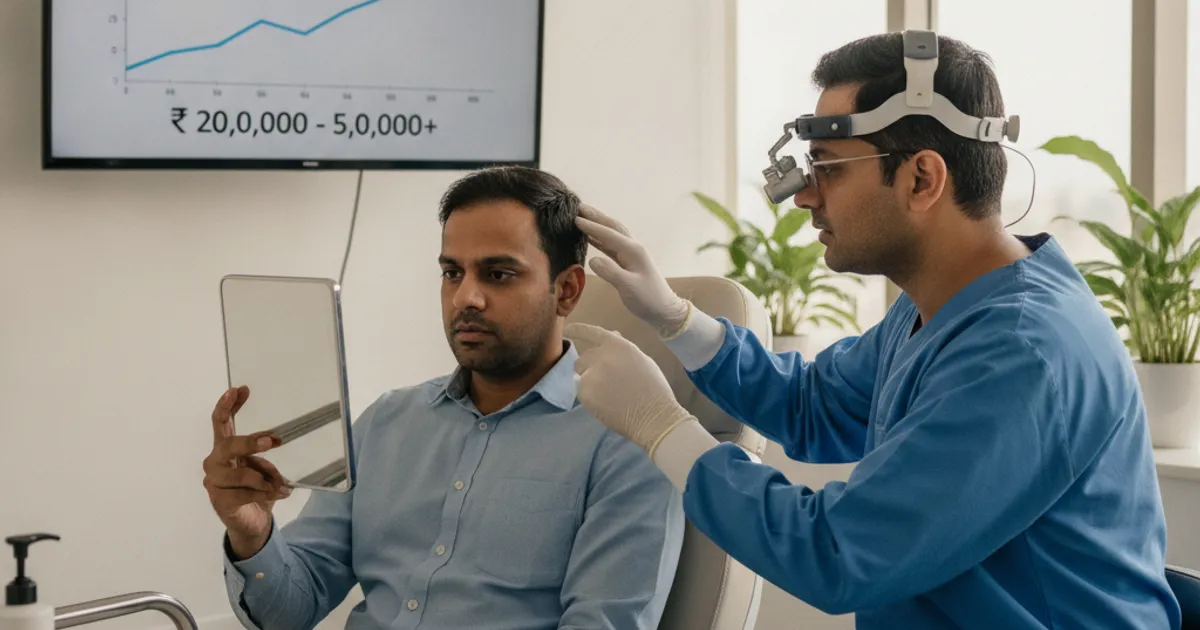
What Is a Sensitive Scalp and Why It Matters for Hair Transplant
A sensitive scalp is not a formal medical diagnosis. It is a practical description of scalp skin that reacts more strongly than average to touch, heat, chemicals, or friction. People with a sensitive scalp often report stinging, itching, burning, redness, or tightness after using certain shampoos, dyes, or styling products. Some have an underlying condition such as seborrheic dermatitis, eczema, psoriasis, or contact dermatitis. Others simply have a reactive scalp with no clear diagnosis. Either way, the scalp behaves differently from a calm, non-reactive one, and that matters when you are planning surgery that involves hundreds or thousands of tiny incisions.
Hair transplant surgery is performed on the scalp itself, so any pre-existing sensitivity can affect how you tolerate the procedure, how quickly you heal, and how comfortable the first few weeks of recovery feel. It does not automatically rule out surgery. Many people with sensitive scalps have successful transplants. But it does change the planning. A surgeon who understands sensitive scalp will adjust the anesthetic routine, the instruments, the aftercare products, and the follow-up schedule. If a clinic treats you like any other patient and brushes off your concerns, that is a signal to keep looking.
How Hair Transplant Surgery Is Adapted for a Sensitive Scalp
The core steps of a hair transplant do not change. Hair is still harvested from a donor area, usually the back and sides of the scalp, and then placed into recipient sites in thinning or balding areas. What changes is the detail work around those steps. The goal is to reduce irritation, limit the number of times the scalp is disturbed, and keep the skin barrier as calm as possible before, during, and after surgery.
- Pre-operative scalp conditioning: your surgeon may ask you to use a gentle, fragrance-free cleanser or a prescribed topical for a week or two before surgery to reduce inflammation and flaking.
- Anesthetic adjustment: some clinics use a buffered anesthetic solution or add a small amount of a vasoconstrictor to reduce stinging and bleeding. The injection technique is often slower and more spread out to limit discomfort.
- Instrument choice: smaller punch sizes and sharper blades create cleaner, less traumatic wounds. Some surgeons prefer motorized or oscillating punches that require less force.
- Fewer grafts per session: instead of packing a large number of grafts into one long session, the surgeon may split the work into two smaller sessions spaced months apart. This reduces total trauma per visit.
- Cooling and hydration: saline sprays, cool compresses, and gentle moisturizers are used more liberally to soothe the scalp during and after the procedure.
- Product restrictions: alcohol-based sprays, strong fragrances, and harsh preservatives are avoided in favor of simple, bland aftercare products.
Not every clinic offers these adjustments as standard. Some treat them as add-ons. If you have a sensitive scalp, ask directly which of these steps the clinic uses and whether they change the price. A clinic that cannot answer clearly is probably not the right fit.
Step-by-Step: What to Expect During the Procedure
The day of surgery follows a predictable sequence. The exact timing varies by clinic and by how many grafts you are getting, but the broad shape is the same. Here is what a typical session looks like when the scalp is sensitive.
Recovery Timeline and Aftercare for a Sensitive Scalp
Recovery from a hair transplant is measured in weeks and months, not days. For a sensitive scalp, the first two weeks are the most important. The goal is to keep the skin calm, avoid infection, and let the grafts settle without unnecessary friction or chemical exposure. The table below outlines a general timeline. Your surgeon will give you a specific plan based on your scalp condition and the size of your procedure.
| Timeframe | What Is Happening | What to Do |
|---|---|---|
| Days 1–3 | Swelling, tenderness, and small scabs form. The scalp may feel tight or itchy. | Sleep with your head elevated. Use a saline spray if recommended. Avoid touching or scratching. |
| Days 4–7 | Scabs begin to loosen. Itching is common. Donor area may feel sore. | Wash gently with a mild, fragrance-free shampoo as directed. Pat dry, do not rub. |
| Weeks 2–3 | Most scabs are gone. Grafts are secure. Some shock loss may occur. | Resume light activity. Avoid direct sun, harsh products, and swimming. |
| Weeks 4–8 | Transplanted hair sheds. This is normal and expected. | Keep the scalp moisturized. Avoid dyes, bleach, and strong styling products. |
| Months 3–6 | New hair begins to grow. Scalp sensitivity may still be higher than usual. | Continue gentle care. Report any persistent redness or irritation to your clinic. |
| Months 6–12 | Hair thickens and matures. Final results become visible. | Return to normal hair care, but keep using gentle products if your scalp remains reactive. |
For a sensitive scalp, aftercare products matter as much as the surgery itself. Stick to fragrance-free, alcohol-free, and dye-free shampoos and moisturizers for at least the first three months. Avoid scalp scrubs, dandruff shampoos with strong active ingredients, and any product that caused a reaction before surgery. If you need to treat a flare-up of seborrheic dermatitis or eczema, ask your surgeon which topical is safe to use during recovery.
Results: Growth, Density, and Scalp Comfort
The growth results of a hair transplant on a sensitive scalp are generally similar to those on a non-sensitive scalp, provided the surgery is planned well and the aftercare is followed. The main difference is comfort. People with sensitive scalps often report that the first few weeks are more uncomfortable, but that the long-term outcome is comparable. Density depends on how many grafts are placed and how well they take, not on scalp sensitivity itself.
- Growth timeline: new hair typically starts to appear around month 3 to 4, with visible thickening by month 6 and mature results by month 12.
- Density: final density depends on graft count, hair caliber, and the size of the treated area. Sensitive scalp does not reduce density on its own.
- Scalp comfort: most people find that sensitivity decreases as the scalp heals. Some notice that their scalp remains more reactive than before surgery, especially to strong products.
- Scarring: donor scars are usually thin and fade over time. Sensitive scalps may heal with more redness initially, but this typically settles.
- Long-term care: if you have an underlying skin condition, you will still need to manage it after surgery. A transplant does not cure seborrheic dermatitis or eczema.
Who Is a Good Candidate for Hair Transplant with a Sensitive Scalp?
Not everyone with a sensitive scalp is a good candidate, and not everyone needs surgery. The best candidates are people whose scalp sensitivity is mild to moderate, well-controlled, and not actively inflamed. If your scalp is currently red, raw, or covered in open sores, surgery should wait until the skin is calm. A surgeon should assess your scalp in person or through high-quality photos before agreeing to operate.
- Your sensitivity is manageable with gentle products and occasional treatment.
- You do not have an active infection, open wounds, or severe inflammation at the time of surgery.
- You are willing to follow a strict aftercare routine for at least three months.
- You understand that recovery may be more uncomfortable than average and are prepared for that.
- You have realistic expectations about density and growth.
- You are not currently using products or medications that strongly irritate your scalp.
- You have a diagnosed skin condition that is stable and under control, with your dermatologist's approval.
If your scalp is severely reactive or you have an uncontrolled skin condition, a surgeon may recommend delaying surgery or choosing a non-surgical alternative. That is not a rejection. It is a sign that the clinic is paying attention.
Cost Factors and What Influences the Price
Hair transplant pricing is usually based on the number of grafts, the technique used, and the clinic's location and reputation. For a sensitive scalp, there may be additional costs if the clinic uses specialized anesthetic solutions, smaller instruments, or a split-session approach. Some clinics include these adjustments in the standard price. Others charge extra. Always ask for a written quote that breaks down what is included.
Because no real-time pricing data is available for this topic, we cannot quote specific figures. The best approach is to request quotes from several clinics and compare what each one includes. Ask whether the price covers the consultation, the procedure, aftercare products, follow-up visits, and any sensitivity-related adjustments. A lower headline price can end up costing more if extras are added later.
How It Compares to Alternatives for Sensitive Scalp
Surgery is not the only option for hair loss, and for some people with a sensitive scalp, a non-surgical approach is a better first step. The table below compares the main alternatives. None of these are mutually exclusive. Many people use medications or low-level laser therapy alongside a transplant to protect their results.
| Option | How It Works | Suitability for Sensitive Scalp | Commitment |
|---|---|---|---|
| Hair transplant | Surgical removal and relocation of hair follicles | Possible with adjustments; requires calm scalp and careful aftercare | One or more sessions, plus recovery time |
| Topical minoxidil | Stimulates hair growth; applied directly to the scalp | May irritate sensitive scalps; foam versions are often better tolerated | Daily use, ongoing |
| Oral finasteride | Reduces hair loss by blocking DHT | No direct scalp irritation; systemic side effects possible | Daily use, ongoing |
| Low-level laser therapy | Uses light energy to stimulate follicles | Generally well tolerated; no chemicals or incisions | Regular sessions, ongoing |
| PRP injections | Platelet-rich plasma is injected into the scalp | Involves needles; may be uncomfortable for sensitive scalps | Series of sessions, then maintenance |
| Scalp micropigmentation | Tattooed dots mimic hair follicles | Can irritate sensitive scalps; patch test recommended | One or more sessions, long-lasting |
For a sensitive scalp, the least irritating options are usually oral medications and low-level laser therapy. Topical products and PRP can work, but they involve direct contact or needles. A hair transplant is the most invasive option, but it is also the only one that permanently relocates hair. If you are unsure, start with a consultation and ask what the clinic would recommend for your specific scalp condition.
Choosing a Clinic: Questions to Ask and Red Flags
The clinic you choose matters more than the technique. A skilled surgeon who understands sensitive scalp will plan around your skin, not just your hair loss pattern. A clinic that treats you like a number will not. Use the questions below to separate the two.
- How many hair transplants have you performed on patients with sensitive scalps?
- What changes do you make to the anesthetic routine for a sensitive scalp?
- Do you use smaller instruments or a split-session approach?
- What aftercare products do you recommend, and are they included in the price?
- Can you show me before-and-after photos of patients with similar scalp conditions?
- What happens if I have a flare-up during recovery?
- Is the consultation free, and is it with the surgeon or a salesperson?
- What is the total cost, and what does it include?
Red flags include pressure to book immediately, vague answers about aftercare, no in-person scalp assessment, and prices that seem too low to be true. If a clinic cannot explain how it handles sensitive scalp, assume it does not have a plan. Walk away.
Frequently Asked Questions
Can I get a hair transplant if I have a sensitive scalp?
In many cases, yes. A sensitive scalp does not automatically disqualify you from surgery. The key is that your scalp is calm and not actively inflamed at the time of the procedure. Your surgeon will assess your scalp and may recommend a short period of pre-treatment with gentle cleansers or prescribed topicals before operating. If your sensitivity is severe or linked to an uncontrolled skin condition, surgery may be delayed or another option may be recommended.
Will a hair transplant make my sensitive scalp worse?
It can temporarily increase sensitivity during the first few weeks of recovery, but most people find that their scalp settles over time. Some people notice that their scalp remains more reactive to strong products after surgery. Following a gentle aftercare routine and avoiding irritants can help minimize this. If you have an underlying condition like seborrheic dermatitis or eczema, you will still need to manage it after surgery.
How long does recovery take for a sensitive scalp?
The initial healing phase takes about two to three weeks. Scabs form and fall off, and the scalp may feel tight or itchy. Transplanted hair sheds around weeks four to eight, and new growth begins around month three to four. Final results are usually visible by month twelve. For a sensitive scalp, the main difference is comfort, not the overall timeline.
Is a hair transplant worth it for a sensitive scalp?
That depends on your goals and how well your scalp tolerates the procedure. If you want permanent, natural-looking hair and you are willing to follow a careful aftercare routine, a transplant can be a good option. If your scalp is highly reactive or you want to avoid surgery, non-surgical alternatives like oral medication or low-level laser therapy may be a better fit. A consultation with a qualified surgeon can help you decide.
More Guides
- DHI Hair Transplant: Technique, Recovery, and Cost Factors
DHI hair transplant explained: how the Choi pen technique works, recovery timeline, results, who it suits, and what influences cost. Compare DHI vs FUE vs FUT.
- Hair Transplant for Curly Hair: Graft and Technique Tips
A plain-English guide to hair transplants for curly hair: how surgeons adapt graft harvesting and placement, recovery, results, costs, and who it suits.
- How Long Does a Hair Transplant Last? Long-Term Durability
How long does a hair transplant last? We explain the procedure, recovery, durability, costs by stage of hair loss, and how it compares to alternatives.
- Hair Transplant Revision: When a Second Procedure Makes Sense
Considering a hair transplant revision? Learn how a second procedure works, who it suits, recovery, results, and costs. Expert explainer from Clinic Reccy.