
Hair Transplant in Mexico: Cost, Clinics, and Safety
Planning a hair transplant in Mexico? Learn how costs are structured, how to choose a safe clinic, travel logistics, and recovery aftercare.
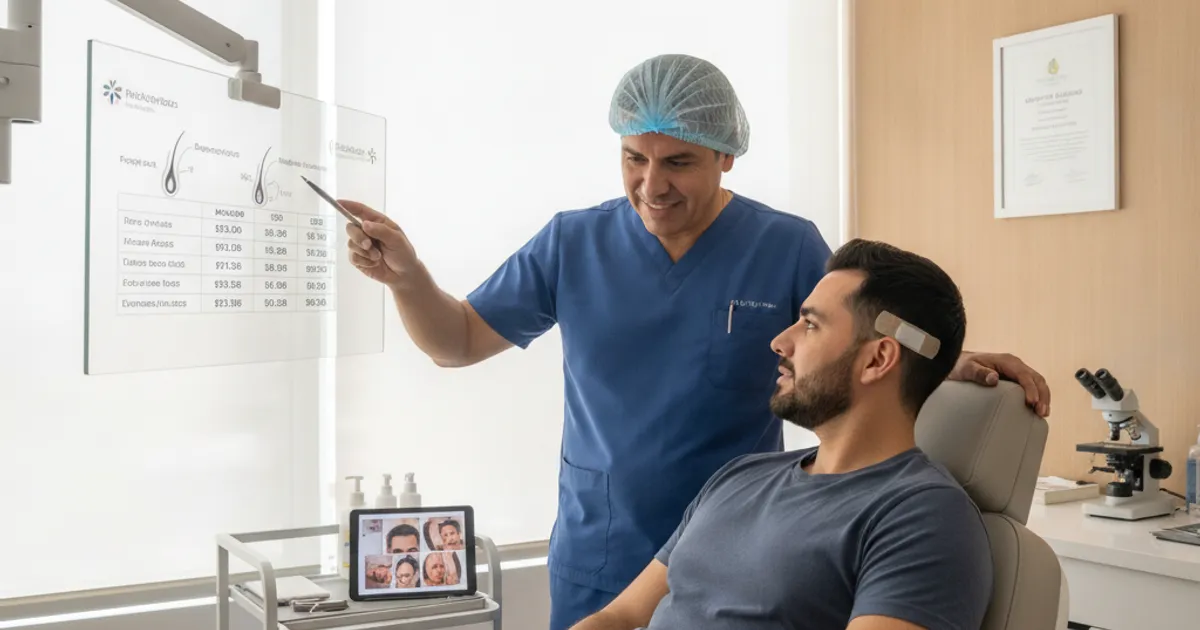
Hair Transplant in Mexico: What to Expect from This Guide
If you're considering a hair transplant in Mexico, you probably have three big questions: What will it cost? Are the clinics safe? And what does the whole process—from planning to recovery—actually look like? This guide answers those directly. We'll break down how pricing is structured, what drives costs up or down, how to vet a clinic, and what to expect before, during, and after your procedure. No hype, just practical information to help you make an informed decision.
Why Mexico Is a Popular Choice for Hair Transplants
Mexico has become a go-to destination for hair restoration for several reasons. The most obvious is cost: procedures here are often significantly less expensive than in the U.S. or Canada, even when you factor in travel and accommodation. But price alone isn't the whole story. Many clinics in major cities like Tijuana, Guadalajara, and Mexico City are staffed by surgeons who trained internationally and use the same modern techniques (FUE, FUT, DHI) you'd find anywhere else. Plus, the proximity to the U.S. makes travel relatively easy for North American patients, and the recovery period can double as a short vacation.
- Lower overall cost compared to U.S. and Canadian clinics
- Access to modern techniques like FUE and DHI
- Experienced surgeons, many with international training
- Easy travel from the U.S. and Canada
- Opportunity to combine procedure with a short recovery trip
How Hair Transplant Costs in Mexico Are Structured
Hair transplant pricing in Mexico isn't one-size-fits-all. Most clinics quote based on the number of grafts you need, which depends on your stage of hair loss and the density you want to achieve. Some clinics offer package pricing for a certain number of grafts, while others charge per graft. It's also common to see all-inclusive quotes that cover the procedure, post-op medications, and follow-up visits. The key is to understand what's included before you compare numbers.
Because pricing varies so much, it's helpful to look at average case pricing by stage of hair loss. The figures below represent the median cost for a typical case in each category, shown in USD for easy comparison. Actual quotes will vary based on graft count, clinic, and city.
- Per-graft pricing: You pay a set rate for each graft transplanted.
- Package pricing: A flat fee for a predetermined number of grafts.
- All-inclusive quotes: May cover surgery, medications, PRP, and follow-ups.
- Surgeon's fee vs. technician-heavy models: Some clinics have the surgeon perform more steps, which can affect cost.
Cost by Hair-Loss Stage: What Drives the Price Up or Down
The biggest factor in your final price is how many grafts you need. Early-stage hair loss might require fewer grafts, while advanced cases can need significantly more. But graft count isn't the only variable. The clinic's reputation, the surgeon's experience, the city, and the technique used all play a role. Below is a comparison of typical cost ranges by stage, along with what usually influences the final quote.
| Factor | Impact on Cost |
|---|---|
| Graft count | More grafts = higher cost |
| Clinic reputation | Established clinics with top surgeons charge more |
| City | Mexico City and Guadalajara tend to be pricier than border towns |
| Technique | DHI and FUE are often more expensive than FUT |
| Inclusions | All-inclusive packages cost more upfront but may save money overall |
What’s Typically Included in a Mexico Hair Transplant Quote
When you request a quote, ask for a detailed breakdown. Many clinics in Mexico offer packages that bundle several services, but inclusions vary widely. Some quotes cover only the surgery, while others include medications, follow-up visits, and even airport pickup. Knowing what's included helps you compare apples to apples and avoid surprise expenses.
- Surgical procedure and anesthesia
- Pre-op consultation and blood work
- Post-op medications (antibiotics, pain relievers)
- Follow-up visits (number varies by clinic)
- PRP therapy (sometimes included, sometimes extra)
- Airport transfers or local transportation
- Accommodation (rarely included, but some clinics offer packages)
How to Choose a Safe Clinic in Mexico
Safety should be your top priority. Mexico has many excellent clinics, but standards vary. Do your homework: check the surgeon's credentials, look for board certification, and read patient reviews on multiple platforms. A reputable clinic will be transparent about its staff, facility, and outcomes. Don't be afraid to ask tough questions—any legitimate clinic will welcome them.
Planning Your Trip: Timeline and Logistics
A hair transplant trip to Mexico usually requires a few days on the ground. You'll need time for a pre-op consultation, the procedure itself (which can take most of a day), and a post-op check before flying home. Most surgeons advise against flying too soon after surgery, so plan to stay a few days after the procedure. Book flexible flights and accommodation, and consider travel insurance that covers medical issues.
- Day 1: Arrival and pre-op consultation
- Day 2: Procedure (often most of the day)
- Day 3: Post-op check and rest
- Day 4–5: Light activities, then fly home (with surgeon's approval)
- Book refundable tickets in case of schedule changes
- Arrange airport pickup with your clinic if available
Recovery and Aftercare: What to Do After Your Procedure
Recovery is a critical part of the process. The first few days are the most delicate—you'll need to protect the grafts and follow your surgeon's instructions to the letter. Most people can return to desk work within a week, but strenuous activities should wait a couple of weeks. Expect some swelling, scabbing, and redness; these are normal. The transplanted hair will shed in the first month, and new growth typically starts around month three.
Risks, Safety, and Red Flags to Watch For
No surgery is risk-free. Common side effects include swelling, infection, and scarring, though serious complications are rare when the procedure is performed by a qualified professional. The bigger risk in medical tourism is choosing a poorly vetted clinic. Watch for red flags like unlicensed staff, lack of clear pricing, or pressure to book without a consultation. Trust your instincts—if something feels off, walk away.
- Unlicensed or unaccredited clinic
- Surgeon who is not board-certified in plastic surgery or dermatology
- No clear aftercare plan or emergency contact
- Prices that are dramatically lower than the market average
- High-pressure sales tactics or discounts for immediate booking
- No before-and-after photos of actual patients
- Poor communication or evasive answers to your questions
Frequently Asked Questions
Is a hair transplant in Mexico safe?
Yes, when performed by a qualified, board-certified surgeon in a reputable clinic. Mexico has many excellent clinics that adhere to international standards. The key is to vet your provider thoroughly—check credentials, read reviews, and ask about safety protocols.
How much does a hair transplant cost in Mexico?
Costs vary by stage of hair loss and clinic. As a general guide, early-stage cases might range from $3,000 to $5,000, moderate cases from $5,000 to $8,000, and advanced cases from $8,000 to $12,000. Always get a detailed quote that lists inclusions.
How long do I need to stay in Mexico for a hair transplant?
Plan for at least a few days. This allows time for a pre-op consultation, the procedure, and a post-op check before flying home. Most surgeons recommend waiting a few days after surgery before flying.
What should I look for in a Mexico hair transplant clinic?
Look for board certification, clinic accreditation, transparent pricing, real patient photos, and positive reviews across multiple platforms. Schedule a video consultation and ask who will perform each step of the procedure. Avoid clinics that pressure you or seem evasive.
Compare Clinics
Browse and compare verified clinics with real pricing.
Destinations
More Guides
- How to Tell If You're a Good Candidate for a Hair Transplant
A practical guide to hair transplant candidacy: hair loss stage, donor density, age, health, aftercare, and when a transplant may not be right for you.
- Dermatologist-Recommended Shampoos for Hair Loss
Learn which shampoos dermatologists recommend for hair loss, key ingredients, how to match products to your hair loss type, and aftercare tips for better result
- Hair Transplant Healing Stages: What to Expect Week by Week
A week-by-week guide to hair transplant healing stages, from scabbing and shock loss to final results, with practical aftercare tips for each phase.
- Hair Transplant Graft Count: How Many Do You Need?
How many grafts for a hair transplant? Learn how graft counts are estimated, typical ranges by Norwood stage, and what to confirm before surgery.