
Hair Transplant Stitch Removal: Timeline & Aftercare
Hair transplant stitch removal explained: timeline, aftercare, cost, and how it compares to absorbable sutures and staples. A clear guide for recovery.
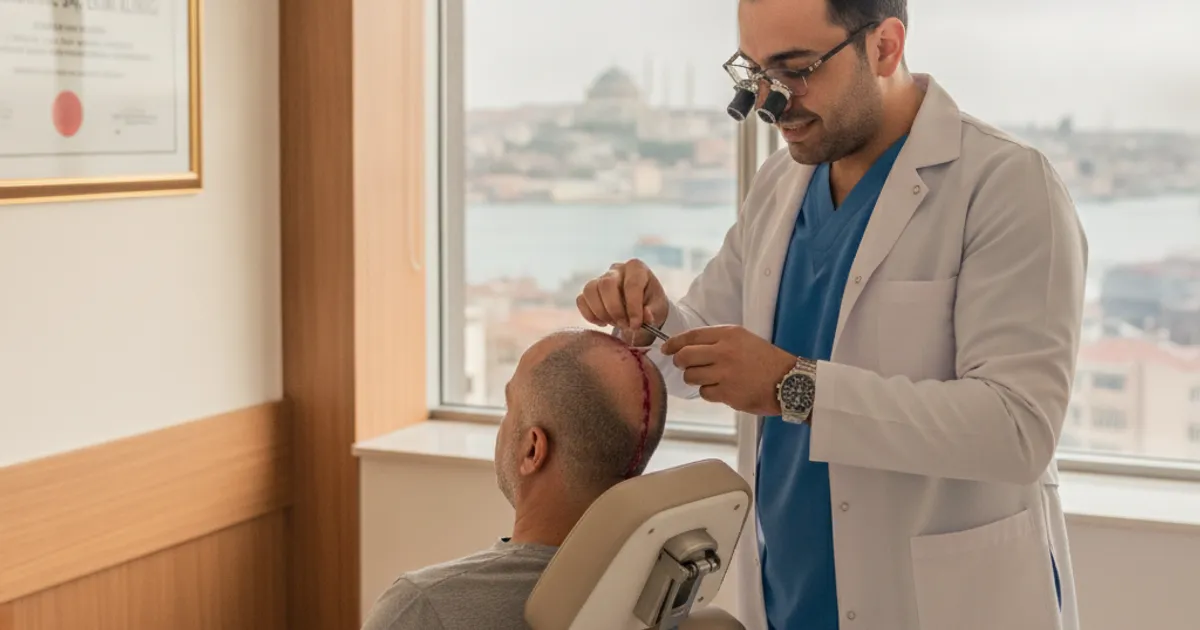
What Is Hair Transplant Stitch Removal?
Hair transplant stitch removal is the step where non-absorbable sutures placed in the donor area are taken out after the scalp has healed enough to hold itself together. It is not a separate procedure in the way a transplant is; it is a follow-up appointment that closes the loop on the donor-site part of your surgery. If your surgeon used staples instead of sutures, the same idea applies, just with a different removal tool. If they used absorbable sutures, there is nothing to remove because the body breaks them down on its own.
How Stitch Removal Is Performed After a Hair Transplant
Removal is quick and usually done in the clinic that performed your transplant, though some patients have it done closer to home by a nurse or GP if the surgeon approves. The area is cleaned, and the person removing the stitches uses fine surgical scissors and forceps. Each suture is lifted slightly and cut, then pulled out in one smooth motion. Staples are removed with a dedicated staple remover that flattens the staple before lifting it. Most people describe the sensation as a series of small pinches or tugs rather than real pain. The whole thing typically takes 10 to 20 minutes depending on how many sutures were placed.
- The donor area is cleaned and may be numbed with a topical cream if you are sensitive.
- Each suture is cut and pulled individually; staples are compressed and lifted with a remover.
- The scalp is checked for any signs of infection, separation, or poor healing.
- After removal, a topical antibiotic or ointment may be applied.
- You leave with instructions on keeping the area clean for the next few days.
Stitch Removal Timeline: What to Expect Week by Week
The timeline depends on the type of closure your surgeon used and how quickly you heal. Most non-absorbable sutures in the donor area come out between day 10 and day 14. Staples often come out a little earlier, around day 7 to day 10. Your surgeon will give you a specific date based on the tension on the wound and how the incision looks at your first follow-up. Do not remove them yourself or let anyone remove them earlier than instructed, because the wound can pull apart and leave a wider scar.
| Timeframe | What Is Happening | What You Should Do |
|---|---|---|
| Day 1–3 | Donor area is tender; sutures or staples are holding the incision closed. | Sleep elevated, avoid touching the area, follow cleaning instructions. |
| Day 4–7 | Swelling and redness start to settle. Scabbing begins. | Keep the area dry or gently wash as directed. No strenuous exercise. |
| Day 7–10 | Staples are often ready for removal. Sutures may still need a few more days. | Attend your follow-up appointment. Do not pull at loose ends. |
| Day 10–14 | Most non-absorbable sutures are removed in this window. | Let the clinic remove them. Expect mild tenderness. |
| Week 3–4 | Removal sites close over. Scabs are gone. | Resume normal washing. Avoid harsh chemicals on the scar. |
| Month 2–6 | Scar matures and fades. Hair grows over the area. | Protect from sun. Use silicone gel or scar cream if advised. |
Aftercare Instructions for a Healthy Recovery
Once the stitches are out, the donor area is still healing. The skin has closed, but the deeper tissue is remodeling for weeks. Good aftercare at this stage reduces the risk of infection, widening the scar, and delayed healing. Your clinic will give you specific instructions, but the general rules are consistent across most surgeons.
- Keep the donor area clean and dry for the first 24 hours after removal.
- Wash gently with a mild, fragrance-free shampoo starting the day after removal, unless told otherwise.
- Do not scratch, pick, or rub the area, even if it itches.
- Avoid swimming pools, hot tubs, and the ocean for at least two weeks.
- Skip strenuous exercise and heavy lifting for 7 to 10 days after removal to avoid tension on the wound.
- Protect the scar from direct sun for at least three months; sun exposure darkens and thickens scars.
- Apply any prescribed ointment or silicone gel exactly as directed.
- Sleep on your back or with a travel pillow to keep pressure off the donor area.
Recovery and Results: What Happens After Stitches Come Out
After removal, the small holes left by the sutures close within a few days. The incision line may look red or slightly raised for several weeks. That is normal. Over the next few months, the scar flattens and fades, and hair grows through and around it. The transplanted grafts in the recipient area follow their own timeline, which is separate from stitch removal. Most patients see the donor area looking close to normal within a month, with the scar continuing to improve for up to a year.
- Days 1–3 after removal: small crusts form at the suture sites and fall off on their own.
- Week 1–2: redness and tenderness fade; you can wash normally.
- Month 1: the scar is still visible but less angry; hair may start to grow over it.
- Month 3–6: scar softens and lightens; transplanted hair begins to grow in the recipient area.
- Month 12: final scar maturation; most patients find it blends well with surrounding hair.
Who Is a Good Candidate for Stitch Removal?
Anyone who had a hair transplant with non-absorbable sutures or staples is a candidate for removal. That said, the timing and method depend on your healing and your surgeon's protocol. You are a good candidate if your wound has closed cleanly, there are no signs of infection, and you can attend a follow-up appointment. People with certain health conditions that slow healing, such as uncontrolled diabetes or a history of keloid scars, may need a modified plan. Your surgeon will decide when it is safe.
- You had a transplant using non-absorbable sutures or staples.
- Your donor incision is healing without signs of infection or separation.
- You can follow aftercare instructions and attend a removal appointment.
- You do not have a condition that severely impairs wound healing, unless cleared by your doctor.
- You are not planning to swim or do heavy exercise immediately after removal.
Cost of Stitch Removal: What Influences the Price
Stitch removal is often included in the total cost of your hair transplant, especially if you return to the same clinic. If you go elsewhere, you may pay a small fee. The price depends on who does it, where you are, how many sutures or staples are involved, and whether it is part of a follow-up visit. Some clinics charge a flat fee; others bill it as a minor procedure. It is rarely expensive on its own, but it is worth confirming before you book.
Stitch Removal vs. Absorbable Sutures and Staples
Surgeons choose between non-absorbable sutures, absorbable sutures, and staples based on the size of the donor strip, tension on the wound, and their own training. Each has trade-offs. Non-absorbable sutures need removal but give the surgeon precise control over tension. Absorbable sutures save you a removal visit but can cause more inflammation as they dissolve. Staples are fast to place and remove but can be more uncomfortable and may leave a different scar pattern. There is no single best option; it depends on your case.
| Closure Type | Removal Needed? | Typical Removal Time | Pros | Cons |
|---|---|---|---|---|
| Non-absorbable sutures | Yes | Day 10–14 | Precise tension control, strong closure | Requires a removal visit, slightly more scarring if not removed on time |
| Absorbable sutures | No | N/A (dissolve over weeks) | No removal appointment, less patient hassle | Can cause inflammation, less tension control, may spit sutures |
| Staples | Yes | Day 7–10 | Fast to place and remove, strong hold | More uncomfortable, risk of staple marks, requires removal tool |
Choosing a Clinic for Stitch Removal
The safest choice is the clinic that performed your transplant, because they know the closure technique and can spot complications early. If you cannot return, look for a clinic with experience in post-surgical wound care and hair transplant aftercare. Ask whether they routinely remove sutures from hair transplant patients, what they charge, and how they handle any issues that come up. A good clinic will ask for your surgical notes or a photo of the area before booking.
- Confirm the clinic has experience with hair transplant donor-site care, not just general wound care.
- Ask if they will coordinate with your original surgeon if needed.
- Check that they can see you within the recommended removal window.
- Ask about the cost upfront, including any follow-up visits.
- Read reviews or ask for before-and-after photos of donor scars.
Frequently Asked Questions About Hair Transplant Stitch Removal
These are the questions patients ask most often about stitch removal after a hair transplant. If your situation is different, ask your surgeon for guidance specific to your case.
Does stitch removal hurt?
Most people feel a series of quick pinches or tugs. It is uncomfortable but rarely painful. If you are sensitive, your clinic can apply a numbing cream beforehand. The whole process takes 10 to 20 minutes.
What happens if I leave stitches in too long?
Leaving non-absorbable sutures in too long can cause them to embed in the skin, increase the risk of infection, and lead to a wider or more noticeable scar. Follow your surgeon's removal schedule exactly.
Can I remove the stitches myself?
No. Removing them yourself risks infection, poor scar formation, and wound separation. Always have a medical professional remove them, even if they look loose.
How soon after stitch removal can I wash my hair?
Usually the next day, using a mild shampoo and gentle pressure. Your clinic will give you specific instructions. Avoid scrubbing or scratching the donor area for at least a week.
More Guides
- Hair Transplant for Curly Hair: Graft and Technique Tips
A plain-English guide to hair transplants for curly hair: how surgeons adapt graft harvesting and placement, recovery, results, costs, and who it suits.
- How Long Does a Hair Transplant Last? Long-Term Durability
How long does a hair transplant last? We explain the procedure, recovery, durability, costs by stage of hair loss, and how it compares to alternatives.
- Hair Transplant Revision: When a Second Procedure Makes Sense
Considering a hair transplant revision? Learn how a second procedure works, who it suits, recovery, results, and costs. Expert explainer from Clinic Reccy.
- Hair Transplant for Norwood 6 and 7: What's Possible
A clear look at hair transplant options for Norwood 6 and 7 hair loss: graft limits, staging, recovery, costs, and realistic results.