
How to Hide a Hair Transplant During Recovery
Practical guide to hiding a hair transplant during recovery. Learn cover-up tips, what to wear, and when you can stop hiding. Plan ahead for a discreet recovery
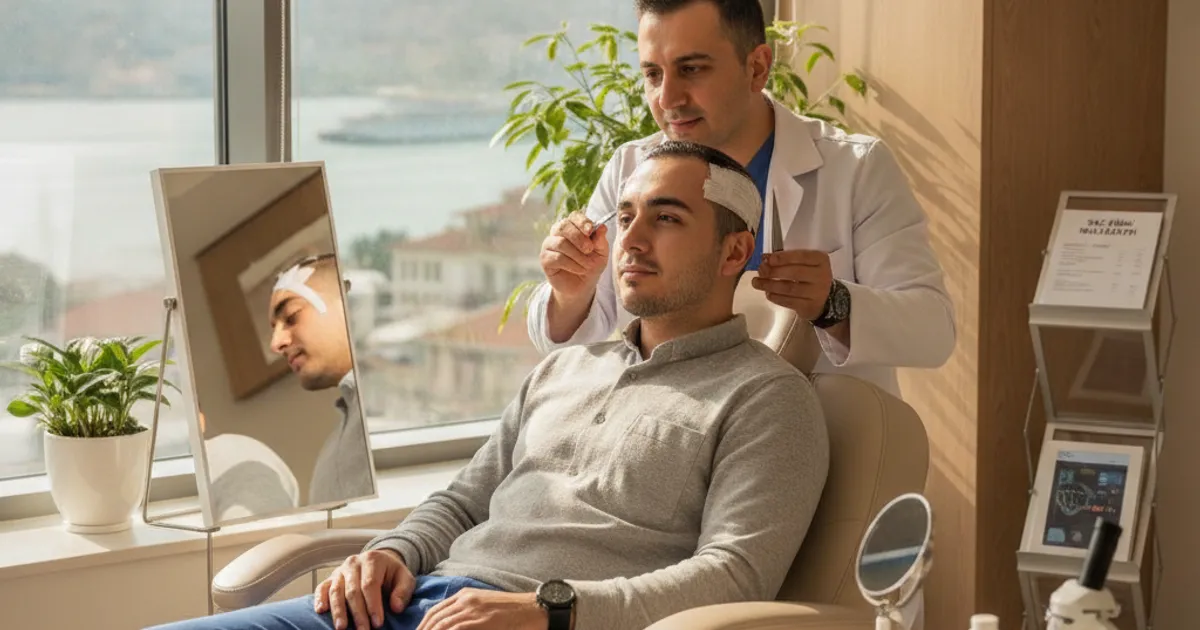
If you're planning a hair transplant and want to keep it private, you're not alone. Many people choose to hide their procedure during the initial recovery phase, whether for work, social, or personal reasons. The good news is that with some planning and the right techniques, you can keep your transplant under wraps until you're ready to show off the results. This guide walks you through how to hide a hair transplant during recovery, from the first 10 days to the point where you can stop hiding altogether.
Why the First 10 Days Matter Most
The first 10 days after a hair transplant are when signs are most noticeable: scabbing, redness, and swelling are common. During this period, the grafts are also most vulnerable, so you need to be careful not to disturb them. Hiding your procedure is easier if you plan ahead and understand what to expect. Keep in mind that recovery timelines vary from person to person, and your surgeon's aftercare instructions should always take priority.
- Days 1–3: Swelling peaks, especially around the forehead and eyes. Scabs begin to form.
- Days 4–7: Swelling subsides, but scabs and redness remain visible.
- Days 8–10: Scabs start to fall off naturally; redness may persist but is less intense.
Plan Your Cover-Up Before Surgery Day
The best time to plan how you'll hide your transplant is before you even step into the clinic. Think about your schedule, the people you'll see, and what you'll need to feel comfortable. A little preparation goes a long way.
- Schedule your procedure before a vacation or long weekend to maximize private recovery time.
- Stock up on loose-fitting hats, caps, and headbands that won't touch the grafts.
- Prepare a few button-up shirts to avoid pulling clothing over your head.
- Arrange for a friend or family member to help you if needed.
- If you work remotely, plan to stay home for the first week.
Best Ways to Conceal Scabbing and Redness
Scabbing and redness are the most obvious signs of a hair transplant. While you can't rush healing, you can minimize their visibility with these strategies.
- Use a loose-fitting hat or cap that doesn't touch the recipient area. Beanies and baseball caps work if worn gently.
- Apply camouflage makeup or tinted moisturizer to the donor area (not the grafts) to blend redness. Choose a water-resistant, non-comedogenic product.
- Keep your hair slightly longer on top if possible to cover the recipient area once scabs fall off.
- Avoid direct sunlight, which can make redness more noticeable.
- Use a soft headband to cover the hairline if you have one.
What to Wear (and Avoid) for the First Two Weeks
Your clothing choices can make a big difference in how noticeable your transplant is. The goal is to avoid anything that rubs against the grafts or draws attention to your head.
- Wear button-up shirts or zip-up tops to avoid pulling garments over your head.
- Choose dark colors if you're worried about blood or fluid stains on pillows or collars.
- Avoid tight hats, helmets, or headbands that put pressure on the grafts.
- Skip hoodies with tight hoods; opt for a loose hood or none at all.
- If you must wear a hat, choose one with a soft, adjustable fit and take it off when possible.
Managing Social and Work Situations
Social and work interactions can be tricky when you're trying to hide a hair transplant. A few simple tactics can help you navigate these situations without raising suspicion.
- Blame allergies, a cold, or a minor skin irritation if someone asks about redness or scabs.
- Keep conversations short and redirect attention if you feel uncomfortable.
- Use video calls strategically: angle the camera or use a virtual background if needed.
- If you have a close friend or colleague you trust, consider telling them so they can run interference.
- Plan social activities for later in the recovery period when signs are less visible.
When You Can Stop Hiding: Recovery Timeline
The timeline for hiding your transplant varies from person to person, but many people find that after a couple of weeks, the signs are much less noticeable. Here's a general guide to what you can expect. Remember that healing speeds differ, and your surgeon can give you a more personalized timeline.
| Timeframe | What's Visible | Hiding Difficulty |
|---|---|---|
| Days 1–3 | Swelling, scabs, redness | High – stay home if possible |
| Days 4–7 | Scabs, redness, some swelling | Moderate – hats and makeup help |
| Days 8–14 | Scabs falling off, redness fading | Low – light cover-up may suffice |
| Weeks 3–4 | Redness may persist, but scabs gone | Minimal – most people won't notice |
| Month 2+ | Shedding phase, new growth begins | None – you can stop hiding |
Aftercare Mistakes That Make Concealing Harder
Some common aftercare mistakes can prolong healing and make it harder to hide your transplant. Avoid these pitfalls to keep your recovery on track.
- Scratching or picking at scabs – this can cause scarring and delay healing.
- Wearing tight hats or helmets too soon – friction can dislodge grafts.
- Using harsh hair products or dyes before your surgeon gives the go-ahead.
- Exposing your scalp to direct sun without protection – this can worsen redness.
- Skipping prescribed medications or aftercare instructions – this can lead to complications.
FAQ: Hiding a Hair Transplant During Recovery
Can I wear a hat right after my hair transplant?
It's best to avoid hats for the first few days. After that, you can wear a loose-fitting hat that doesn't touch the grafts. Always check with your surgeon.
How long does redness last after a hair transplant?
As a general guide, redness often fades within 1–2 weeks, but it can linger for a month or more in some cases. Camouflage makeup can help in the meantime. Your surgeon can give you a better idea based on your procedure.
What if someone notices my scabs?
Have a simple excuse ready, like a minor skin irritation or sunburn. Most people won't press further.
When can I stop hiding my hair transplant?
Many people feel comfortable going without cover-up after 2–4 weeks, once scabs have fallen off and redness has faded significantly. However, this varies, and some may need more time.
More Guides
- Hair Transplant Graft Count: How Many Do You Need?
How many grafts for a hair transplant? Learn how graft counts are estimated, typical ranges by Norwood stage, and what to confirm before surgery.
- How to Choose a Hair Transplant Surgeon: Credentials to Check
Learn how to choose a hair transplant surgeon by checking credentials, board certification, training, and real patient results. A practical guide.
- Costco Finasteride: Price, Membership & Prescription Steps
A practical guide to getting finasteride at Costco: membership rules, prescription steps, generic vs. brand costs, and aftercare planning.
- Smoking and Hair Transplant Healing: What to Know
Smoking slows hair transplant healing and threatens graft survival. Learn why to stop before surgery, how long to avoid nicotine after, and recovery tips.