
How to Tell If You're a Good Candidate for a Hair Transplant
A practical guide to hair transplant candidacy: hair loss stage, donor density, age, health, aftercare, and when a transplant may not be right for you.
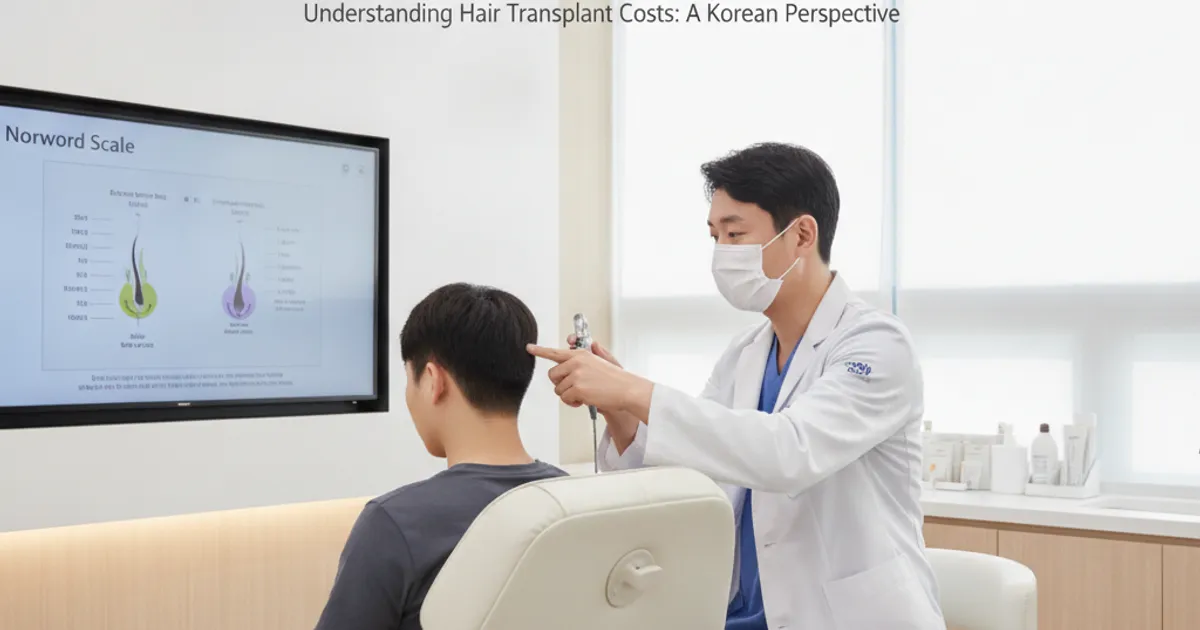
If you're losing hair and wondering whether a hair transplant is the right move, the honest answer is: it depends. A transplant isn't a one-size-fits-all fix. It works best for people with a specific pattern of loss, enough healthy donor hair, and realistic expectations about what surgery can and can't do. This guide walks you through the factors surgeons actually look at when deciding if you're a good candidate for a hair transplant, plus what to plan for before and after the procedure.
What Makes a Good Hair Transplant Candidate?
Surgeons aren't just checking whether you have bald spots. They're evaluating whether moving hair from one part of your scalp to another will produce a natural, lasting result. That means looking at your donor supply, your pattern of loss, your general health, and your willingness to follow aftercare instructions. Good candidates usually share a few traits:
- Stable or slowly progressing hair loss — not rapid shedding that could continue after surgery
- A clear pattern of loss (typically receding temples or thinning crown) that matches known hair loss types
- Healthy, dense donor hair at the back and sides of the scalp
- No active scalp infections, skin conditions, or uncontrolled medical issues
- Realistic expectations about density, healing time, and the need for possible future sessions
Assess Your Hair Loss Pattern and Stage
The Norwood scale is the common tool for classifying male pattern baldness, and it gives surgeons a rough idea of where you are and where you're likely headed. Early stages (often described as Norwood 2–3) usually mean small areas of recession and plenty of donor hair — often ideal for a transplant. Moderate stages (roughly Norwood 4–5) involve more extensive thinning but still leave enough donor density for a good result. Advanced stages (Norwood 6–7) can be trickier because the donor area may be limited relative to the bald area. Your pattern matters as much as the stage: diffuse thinning across the whole scalp is different from concentrated loss at the temples. These stage groupings are general conventions, not precise cutoffs, and your surgeon will interpret them in the context of your own scalp.
| Stage | Typical Pattern | Donor Supply | Surgical Outlook |
|---|---|---|---|
| Early (Norwood 2–3) | Minor recession at temples, little crown involvement | Usually abundant | Often excellent; small sessions may suffice |
| Moderate (Norwood 4–5) | Visible thinning at crown or mid-scalp | Generally adequate | Good results possible with careful planning |
| Advanced (Norwood 6–7) | Large bald areas, donor may be limited | May be constrained | Realistic goals needed; multiple sessions possible |
| Diffuse thinning | Loss spread across the scalp | Variable | Requires careful evaluation before surgery |
The Role of Donor Hair Density and Quality
Donor hair is the hair at the back and sides of your scalp that's genetically resistant to balding. A transplant moves those follicles to thinning areas. If your donor hair is sparse or fine, you simply don't have as much material to work with. Surgeons assess donor density (follicles per square centimeter), hair caliber (thickness), and scalp laxity (how stretchy the skin is) during a consultation. Good donor quality means you can achieve reasonable coverage without overharvesting and risking a thin-looking donor area.
- High donor density: more grafts available, better coverage possible
- Fine hair caliber: may need more grafts to create the illusion of density
- Poor scalp laxity: can limit the number of grafts in a single session
- Previous transplant scars: may reduce usable donor area
Age, Health, and Medications: Key Considerations
Age isn't a hard cutoff, but it matters. Younger patients (early 20s) often have unpredictable hair loss that may continue for decades. Operating too early can lead to a patchy result later as native hair recedes further. Many surgeons prefer patients in their late 20s or older with stabilized loss. General health also plays a role: uncontrolled diabetes, bleeding disorders, or active skin infections can increase surgical risk. Certain medications (blood thinners, some acne drugs) may need to be paused. Be honest with your surgeon about your medical history and supplements.
- Age under 25: higher risk of ongoing loss; many surgeons recommend waiting
- Uncontrolled medical conditions: may need clearance from your doctor first
- Blood thinners or anticoagulants: typically paused before surgery
- Active scalp infections or psoriasis: treat before considering transplant
Realistic Expectations and Commitment to Aftercare
A hair transplant doesn't give you a full head of hair overnight. It takes months for transplanted follicles to grow, and the final result may not be visible for a year. You'll also need to follow aftercare instructions closely: keeping the scalp clean, avoiding strenuous activity for a couple of weeks, and protecting the grafts from sun and friction. If you're expecting instant density or aren't willing to commit to the recovery routine, you're probably not a good candidate yet.
- Expect gradual growth: shedding first, then regrowth over 6–12 months
- Plan for time off work: typically a few days to a week of visible healing
- Follow post-op instructions: washing, sleeping position, avoiding exercise
- Understand that future sessions may be needed as native hair continues to thin
Planning Your Procedure: Pre-Op and Post-Op Essentials
Once you've confirmed you're a good candidate, planning makes the difference between a smooth experience and a stressful one. Start with a consultation (in-person or online) to get a personalized assessment. Then prepare your body and schedule before surgery, and set up a recovery space at home.
When a Hair Transplant May Not Be Right for You
There are situations where surgery isn't the best first step. If your hair loss is active and progressing quickly, or if you have a condition like alopecia areata (patchy autoimmune hair loss), a transplant may not work well because the underlying cause isn't addressed. Similarly, if you don't have enough donor hair to meet your goals, a surgeon may recommend medical therapy or other options instead. Being turned down isn't a failure — it's a sign that a different approach might serve you better.
- Rapid, unpredictable hair loss that hasn't stabilized
- Autoimmune or scarring alopecia that could affect transplanted hair
- Insufficient donor hair to achieve meaningful coverage
- Unrealistic expectations about density or the need for multiple procedures
FAQ: Hair Transplant Candidate Questions
Can I get a hair transplant if I'm in my early 20s?
It's possible, but many surgeons advise waiting until your hair loss pattern stabilizes, often in your late 20s or later. Operating too early can lead to unnatural results as native hair continues to recede.
How do I know if my donor hair is good enough?
Only a professional assessment can tell you for sure. Surgeons evaluate donor density, hair caliber, and scalp laxity during a consultation. If your donor area is sparse, they may recommend a more conservative approach or alternative treatments.
Does a hair transplant work for women?
Yes, but candidacy depends on the cause of hair loss. Women with traction alopecia or localized thinning may be good candidates, while diffuse thinning often requires a different approach. A thorough evaluation is essential.
What happens if I'm not a good candidate?
Your surgeon may suggest medical therapies (like minoxidil or finasteride), lifestyle changes, or waiting until your loss stabilizes. In some cases, other cosmetic procedures or hair systems may be more appropriate.
More Guides
- Dermatologist-Recommended Shampoos for Hair Loss
Learn which shampoos dermatologists recommend for hair loss, key ingredients, how to match products to your hair loss type, and aftercare tips for better result
- Hair Transplant Healing Stages: What to Expect Week by Week
A week-by-week guide to hair transplant healing stages, from scabbing and shock loss to final results, with practical aftercare tips for each phase.
- Hair Transplant Graft Count: How Many Do You Need?
How many grafts for a hair transplant? Learn how graft counts are estimated, typical ranges by Norwood stage, and what to confirm before surgery.
- How to Choose a Hair Transplant Surgeon: Credentials to Check
Learn how to choose a hair transplant surgeon by checking credentials, board certification, training, and real patient results. A practical guide.