
How Young Can You Start Minoxidil? Age Guidelines
Wondering how young you can start minoxidil? We cover age guidelines, teen use, and when to see a doctor before starting hair loss treatment.
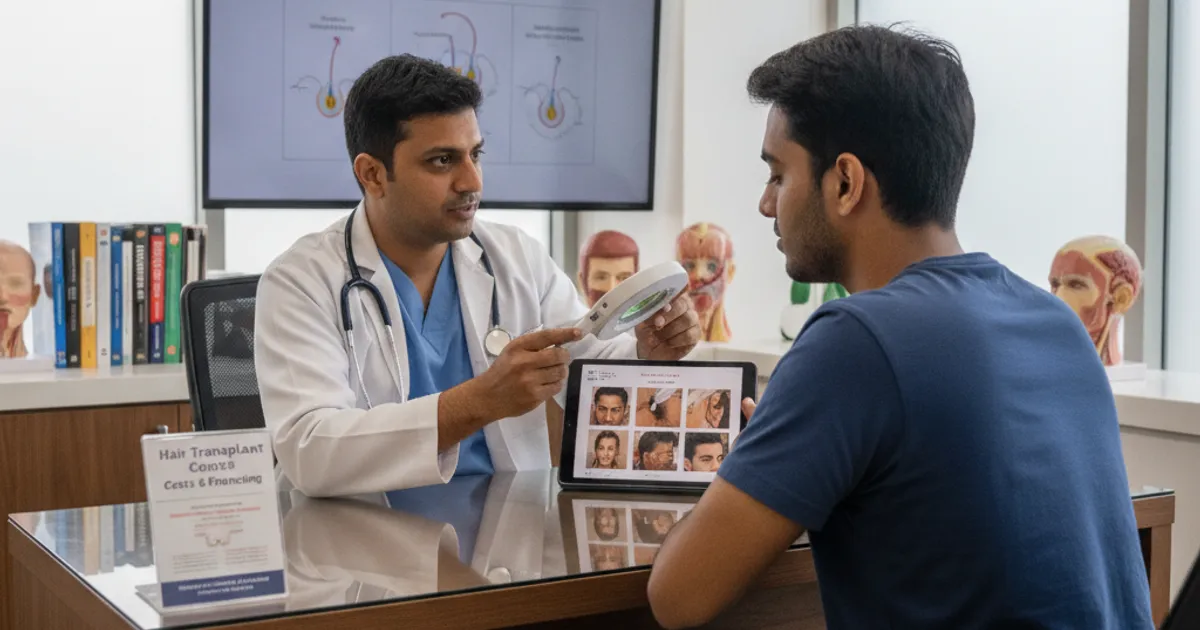
How Young Can You Start Minoxidil?
If you're noticing thinning hair early and wondering how young you can start minoxidil, the short answer is that topical minoxidil is approved for adults. The exact age depends on the formulation and your sex, but in general, it's not recommended for anyone under 18 without a doctor's supervision. Some dermatologists will prescribe topical minoxidil off-label for teenagers, but only after other causes of hair loss have been ruled out. Oral minoxidil is not approved for hair loss at any age; it is used off-label in adults. So while you can technically start as an adult without a prescription in most places, the real question is whether you should — and that depends on what's causing your hair loss.
The Short Answer: Age Guidelines for Minoxidil Use
Age guidelines for minoxidil aren't one-size-fits-all. They depend on the formulation, your medical history, and whether a doctor is involved. Here's a quick breakdown:
- Topical minoxidil (liquid or foam): Approved for adults. Some dermatologists prescribe it off-label for younger patients with early signs of androgenetic alopecia.
- Oral minoxidil (low-dose): Not approved for hair loss. It is used off-label in adults. It's rarely used in teenagers and only under close medical supervision due to potential side effects like blood pressure changes and fluid retention.
- Under 18: Minoxidil is generally not recommended unless a pediatric dermatologist is treating a specific diagnosed condition. Most hair loss in this age group has other causes — nutritional deficiencies, thyroid issues, or stress — that should be addressed first.
- Women: Topical minoxidil is approved for women. Lower concentrations are often recommended for women, though higher concentrations are also used off-label.
Why Age Matters: Hair Loss Stages in Younger Men
Hair loss in your late teens and early twenties is more common than most people think. The earlier you start losing hair, the more aggressive it tends to be — which is why starting treatment early can make a big difference. But it also means you need to be careful about what you're treating. Not all hair loss is the same.
- Early stage: Hairline starts to recede slightly at the temples. This is when minoxidil can be most effective at slowing progression.
- Moderate stage: Noticeable recession at the temples and thinning at the crown. Minoxidil alone may not be enough — many men combine it with finasteride or other treatments.
- Advanced stage: Significant hair loss across the top of the scalp. Minoxidil can still help maintain remaining hair, but regrowth is limited. Hair transplant surgery is often the better option at this stage.
Minoxidil for Teenagers: What the Experts Say
Teenage hair loss is tricky. It can be caused by genetics, but it can also be triggered by stress, poor nutrition, hormonal imbalances, or medical conditions like alopecia areata. Most dermatologists won't jump straight to minoxidil for a teenager without first ruling out these other causes. If a teen does have early androgenetic alopecia, some doctors will prescribe topical minoxidil off-label. The key is that it's done under supervision, with regular follow-ups to monitor progress and side effects.
- Most experts agree that teenagers should only use minoxidil if a dermatologist recommends it after a proper diagnosis.
- Topical minoxidil is generally preferred over oral for teens because it has fewer systemic side effects.
- Teens using minoxidil need to understand it's a long-term commitment — stopping can lead to shedding.
- Lifestyle factors like diet, sleep, and stress management should be addressed first in younger patients.
Minoxidil vs. Other Treatments by Age
Different treatments suit different ages. Here's how minoxidil stacks up against other common options:
| Age Range | Minoxidil | Finasteride | Hair Transplant |
|---|---|---|---|
| Under 18 | Off-label, only with doctor supervision | Not recommended | Not recommended |
| 18 and older | Approved topical; oral off-label | Approved for men | Possible for advanced cases |
When to See a Doctor Before Starting Minoxidil
Before you buy minoxidil off the shelf, it's worth talking to a doctor — especially if you're young or your hair loss came on suddenly. Here's when to book an appointment:
- You're under 18 and noticing hair loss. A doctor can check for underlying causes like thyroid issues or nutritional deficiencies.
- Your hair loss is patchy or sudden. This could be alopecia areata or another condition that minoxidil won't fix.
- You have a history of heart problems or low blood pressure. Oral minoxidil can affect blood pressure.
- You're already using other hair loss treatments. Combining treatments needs medical guidance.
- You're pregnant or breastfeeding. Minoxidil isn't recommended during pregnancy or while nursing.
Related Guides: Hair Loss Treatments
Frequently Asked Questions About Minoxidil and Age
Can I start minoxidil at 16?
Topical minoxidil is approved for adults, but some dermatologists will prescribe it off-label for 16-year-olds with early male pattern baldness. It should only be used under medical supervision at that age.
Is minoxidil safe for teenagers?
When prescribed and monitored by a doctor, topical minoxidil is generally considered safe for teenagers. Oral minoxidil is rarely used in teens due to potential side effects.
What happens if I stop using minoxidil?
If you stop using minoxidil, any hair you've regrown will likely shed within a few months, and your hair loss will return to its original pattern. Minoxidil only works while you're using it.
Can I use minoxidil before a hair transplant?
Yes, many surgeons recommend using minoxidil before and after a hair transplant to support graft survival and reduce shock loss. Your surgeon will give you specific instructions.
Does minoxidil work for everyone?
No. Minoxidil tends to work best for people with early-stage hair loss and those who still have active hair follicles in the thinning areas. It's less effective for advanced baldness.
More Guides
- Hair Transplant Cost: What You'll Actually Pay
Hair transplant costs vary by graft count, technique, and location. Learn how pricing works by hair loss stage and what factors affect your final bill.
- Does Finasteride Work for a Receding Hairline?
Finasteride can slow or stop a receding hairline in many men. Learn how it works, what to expect, and when a hair transplant makes more sense.
- How Much Does Finasteride Cost Per Month?
Finasteride cost per month varies by generic vs brand, dose, and pharmacy. Learn what affects your monthly bill and how to keep costs down.
- Does Finasteride Regrow Hair? What the Evidence Shows
Finasteride can slow hair loss and regrow some hair in many men. Learn how it works, what results to expect, side effects, cost, and how it compares to minoxidi