
Minoxidil Contact Dermatitis: Signs and Alternatives
Learn the signs of minoxidil contact dermatitis, how it's diagnosed, treatment options, and alternatives like finasteride, PRP, and hair transplant surgery.
What Is Minoxidil Contact Dermatitis?
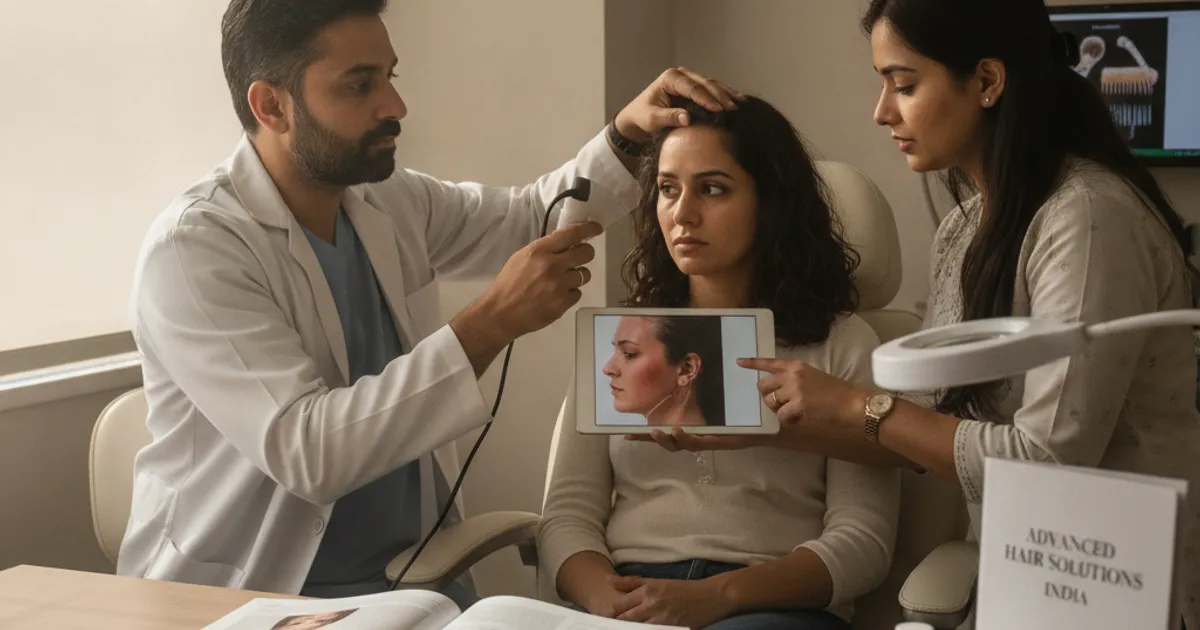
Minoxidil contact dermatitis is a skin reaction that happens when your scalp becomes irritated or allergic to minoxidil, the active ingredient in many over-the-counter hair loss treatments. It's not the same as the mild dryness or flaking some people get when they first start using minoxidil. Contact dermatitis is an inflammatory response, and it can show up as redness, itching, swelling, or a rash where the product touches your skin. For anyone using minoxidil to slow hair loss, this reaction can be frustrating because it forces you to stop the treatment that was helping. The good news is that minoxidil contact dermatitis is well understood, and there are several ways to manage it, including switching to alternative treatments or considering a hair transplant if your hair loss has progressed.
Causes: Why Minoxidil Irritates the Scalp
There are two main types of contact dermatitis linked to minoxidil: irritant contact dermatitis and allergic contact dermatitis. Irritant reactions happen because minoxidil, especially in liquid form, contains propylene glycol and alcohol, which can strip the scalp of moisture and disrupt the skin barrier. Allergic contact dermatitis is an immune response to minoxidil itself or to other ingredients in the formulation, such as preservatives or fragrances. Some people react to the foam version less often because it contains fewer irritating solvents, but reactions can still occur. The concentration of minoxidil also matters; higher strengths are more likely to cause irritation. If you have a history of eczema, psoriasis, or sensitive skin, you may be more prone to developing contact dermatitis from minoxidil.
- Propylene glycol and alcohol in liquid minoxidil can dry out and irritate the scalp.
- Allergic reaction to minoxidil itself or to preservatives like methylparaben.
- Higher concentrations are more likely to cause irritation than lower ones.
- Pre-existing skin conditions such as eczema or seborrheic dermatitis increase risk.
- Using too much product or applying it to broken skin can worsen irritation.
Signs and Symptoms to Watch For
The symptoms of minoxidil contact dermatitis can range from mild to severe. They typically appear within hours to days of applying the product. Common signs include redness, itching, burning, stinging, and a rash that may be bumpy or scaly. In more severe cases, you might see swelling, oozing, or blistering. It's important to distinguish these symptoms from the temporary shedding that some people experience in the first few weeks of minoxidil use, which is not a sign of dermatitis. If you notice any of the symptoms below, stop using minoxidil and consult a dermatologist.
- Redness or erythema on the scalp
- Itching that may be intense
- Burning or stinging sensation
- Rash, bumps, or hives
- Dryness, flaking, or scaling
- Swelling of the scalp
- Blistering or oozing in severe cases
| Symptom | Irritant Dermatitis | Allergic Dermatitis |
|---|---|---|
| Redness | Common, usually mild | Common, often more intense |
| Itching | Common | Common, can be severe |
| Burning/stinging | Common | Less common |
| Rash/bumps | Possible | Very common |
| Swelling | Rare | Possible |
| Blistering | Rare | Rare but possible |
| Onset | Gradual with repeated use | May appear suddenly after sensitization |
How Minoxidil Contact Dermatitis Is Diagnosed
Diagnosis usually starts with a physical exam and a detailed history of your product use. A dermatologist will ask when you started minoxidil, how often you apply it, and whether you've had skin reactions before. They may also ask about other products you use on your scalp. To confirm allergic contact dermatitis, a patch test can be performed. This involves applying small amounts of minoxidil and its individual ingredients to your skin under patches and checking for reactions after a period of time, typically a couple of days. In some cases, a skin biopsy may be taken to rule out other conditions. It's important to get a proper diagnosis because other scalp conditions, like seborrheic dermatitis or psoriasis, can look similar but require different treatments.
- Medical history and physical examination of the scalp.
- Patch testing to identify specific allergens (minoxidil or other ingredients).
- Trial discontinuation: stopping minoxidil to see if symptoms improve.
- Skin biopsy in atypical or severe cases.
- Ruling out other conditions like seborrheic dermatitis or psoriasis.
Treatment Options for Minoxidil Contact Dermatitis
The first step in treating minoxidil contact dermatitis is to stop using the product. For mild irritant reactions, symptoms often resolve within a few days to a couple of weeks after discontinuation. Over-the-counter hydrocortisone cream or oral antihistamines can help relieve itching and inflammation. For more severe allergic reactions, a doctor may prescribe a stronger topical corticosteroid or a short course of oral steroids. If a secondary bacterial infection develops from scratching, antibiotics may be needed. Once the skin has healed, you might be able to reintroduce minoxidil in a different formulation, such as the foam version, or at a lower concentration, but only under medical guidance. If the reaction was allergic, you should avoid minoxidil entirely.
- Discontinue minoxidil immediately.
- Use gentle, fragrance-free shampoos and moisturizers.
- Apply topical corticosteroids (e.g., hydrocortisone) to reduce inflammation.
- Take oral antihistamines for itching.
- Prescription-strength steroids for severe cases.
- Antibiotics if secondary infection occurs.
- Avoid scratching to prevent skin damage.
Minoxidil Alternatives for Hair Loss
If minoxidil isn't an option due to contact dermatitis, there are several other treatments for hair loss. Finasteride is an oral prescription medication that blocks the conversion of testosterone to DHT, a hormone that contributes to male pattern baldness. It's not suitable for everyone and requires a prescription. Platelet-rich plasma (PRP) therapy involves injecting concentrated platelets from your own blood into the scalp to stimulate hair follicles. Low-level laser therapy (LLLT) devices are another non-invasive option. For those with advanced hair loss, a hair transplant may be a long-lasting solution. The table below compares these alternatives.
| Treatment | Type | How It Works | Prescription Needed |
|---|---|---|---|
| Finasteride | Oral medication | Blocks DHT production | Yes |
| PRP therapy | Injection | Growth factors stimulate follicles | No (but performed by clinician) |
| Low-level laser therapy | Device | Light energy stimulates follicles | No |
| Hair transplant | Surgical | Relocates hair follicles | No (but requires consultation) |
- Finasteride: effective for many men, but can have side effects; requires prescription.
- PRP: minimally invasive, uses your own blood, multiple sessions needed.
- LLLT: at-home devices, safe but results vary.
- Hair transplant: long-lasting results, best for those with sufficient donor hair.
Is a Hair Transplant Suitable After Minoxidil Dermatitis?
A hair transplant can be a suitable option after minoxidil contact dermatitis, provided your scalp has fully healed and the reaction has resolved. It's important to wait until any inflammation or infection is cleared before undergoing surgery. A hair transplant surgeon will assess your scalp health and donor hair availability. If you have a history of contact dermatitis, you should inform your surgeon so they can take precautions. In many cases, patients who cannot tolerate minoxidil are good candidates for a transplant because it offers a long-lasting solution without the need for ongoing topical treatments. However, a transplant doesn't stop future hair loss, so you may still need medication like finasteride to maintain results.
- Wait until scalp is completely healed and free of inflammation.
- Consult a surgeon experienced in treating patients with scalp sensitivities.
- Ensure you have adequate donor hair for transplantation.
- Be prepared to use alternative medications (e.g., finasteride) to prevent further loss.
- Discuss any history of dermatitis with your surgeon.
FAQ: Minoxidil Contact Dermatitis
Here are answers to common questions about minoxidil contact dermatitis.
Can I use minoxidil foam if I had a reaction to the liquid?
Possibly. The foam formulation contains fewer irritating solvents like propylene glycol. However, if you had an allergic reaction to minoxidil itself, you should avoid all forms. Consult a dermatologist before trying.
How long does minoxidil contact dermatitis last?
Mild irritant dermatitis usually resolves within a few days to a week after stopping minoxidil. Allergic reactions may take longer, up to several weeks, and may require treatment.
Is minoxidil contact dermatitis permanent?
No, it's not permanent. Once you stop using minoxidil and treat the symptoms, the skin should heal. However, you may remain sensitized to minoxidil and should avoid it.
Can I switch to finasteride instead?
Yes, finasteride is an oral alternative for hair loss. It requires a prescription and has potential side effects, so discuss with your doctor.
Will a hair transplant cure my hair loss if I have dermatitis?
A hair transplant can restore hair in bald areas, but it doesn't stop future loss. You may need medication like finasteride to maintain results. Also, ensure your scalp is healthy before surgery.
More Guides
- Can Radiotherapy Cause Hair Loss? What to Expect
Radiotherapy can cause temporary or permanent hair loss. Learn the causes, symptoms, diagnosis, treatment options, and whether a hair transplant is suitable.
- Hair Loss After Illness or High Fever: When Does It Stop?
Hair loss after illness or high fever is usually temporary telogen effluvium. Learn causes, symptoms, diagnosis, treatment, and when a hair transplant may help.
- Can Dandruff Cause Hair Loss? Facts vs Folklore
Does dandruff cause hair loss? We separate fact from folklore, explain the real connection, diagnosis, treatments, and when a hair transplant makes sense.
- Autoimmune Alopecia vs Genetic Hair Loss: Key Differences
Autoimmune alopecia vs genetic hair loss: causes, symptoms, diagnosis, treatment options, and whether a hair transplant is suitable. A clear, practical guide.