
Smoking and Hair Transplant Healing: What to Know
Smoking slows hair transplant healing and threatens graft survival. Learn why to stop before surgery, how long to avoid nicotine after, and recovery tips.
Smoking and Hair Transplant Healing: The Short Answer
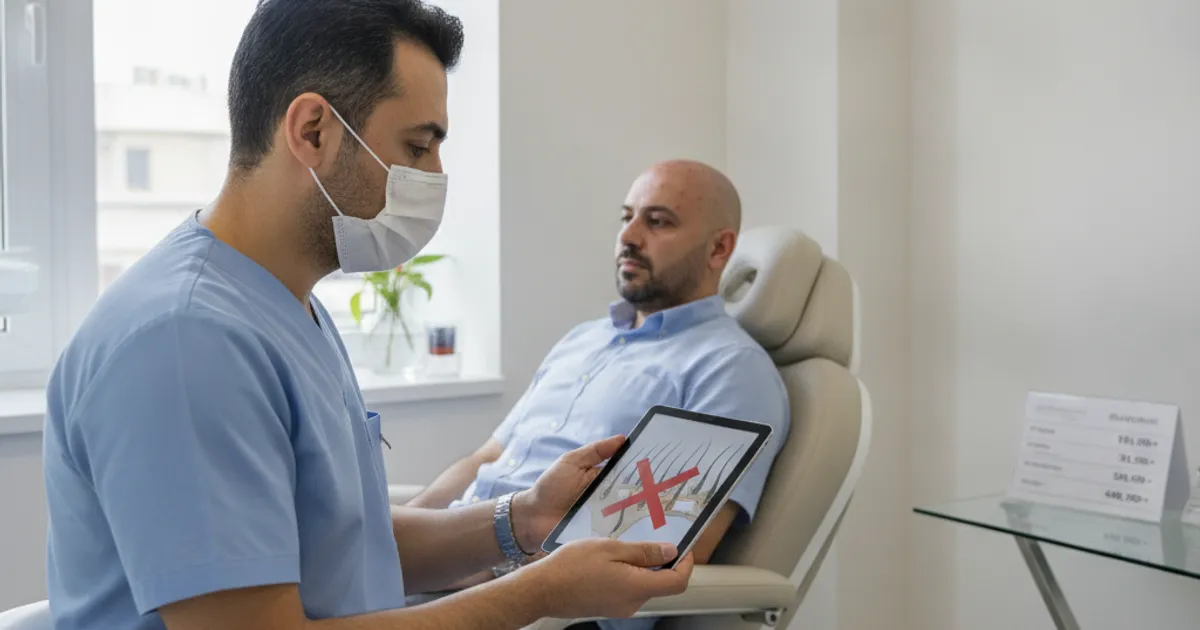
If you smoke and you're planning a hair transplant, the honest answer is simple: smoking works against you at every stage. It narrows blood vessels, reduces oxygen delivery to the scalp, and slows the healing process. That matters because transplanted follicles are fragile in the early days and weeks — they need steady blood flow to survive and grow. Clinics typically ask you to stop smoking well before surgery and stay off nicotine for a period afterward. This guide walks through the why, the timelines, and the practical steps so you can plan properly and give your grafts the best chance.
Why Smoking Slows Down Transplant Recovery
Smoking doesn't just affect your lungs. The chemicals in tobacco smoke — especially nicotine and carbon monoxide — constrict blood vessels and reduce the amount of oxygen your tissues receive. After a hair transplant, your scalp is full of tiny wounds and freshly placed grafts that depend on a healthy blood supply to heal. When that supply is compromised, recovery slows down and complications become more likely. Here's what's happening beneath the surface:
- Vasoconstriction: nicotine narrows blood vessels, limiting blood flow to the scalp and the newly transplanted follicles.
- Lower oxygen levels: carbon monoxide binds to red blood cells more readily than oxygen, so less oxygen reaches healing tissue.
- Impaired collagen production: smoking interferes with the body's ability to build new tissue, which can delay wound closure.
- Higher infection risk: reduced circulation weakens the immune response at the graft site.
- Longer inflammation: smokers often experience prolonged redness and swelling after surgery.
How Smoking Affects Graft Survival and Scarring
Graft survival is the bottom line of any hair transplant. Each follicle is removed from the donor area and re-implanted, and in the first few days it survives on a delicate blood supply. If that supply is disrupted by smoking, some grafts may fail to take. Beyond survival, smoking can influence how your scalp scars. Poor circulation and delayed healing often lead to more noticeable scarring, whether you have a strip procedure or FUE. Here's the practical breakdown:
- Reduced graft take: follicles that don't get enough oxygen and nutrients in the critical early window are more likely to die.
- Patchy growth: uneven blood flow can lead to inconsistent results across the recipient area.
- Worse scarring: smokers tend to heal with more visible or raised scars, which matters if you plan to wear short hair.
- Slower recovery overall: expect more swelling, redness, and discomfort compared to non-smokers.
- Compromised donor area: the back of the scalp also needs to heal, and smoking affects that too.
When to Stop Smoking Before Your Transplant
There's no single rule that fits every clinic, but surgeons generally recommend stopping smoking well before surgery — often several weeks ahead. The longer you can stay off nicotine before the procedure, the better your circulation will be on the day of surgery. If you're a heavy smoker, give yourself more time. Use this as a planning guide, and always confirm with your clinic:
How Long to Avoid Smoking After Surgery
The post-op window is just as important as the pre-op one. Your grafts are most vulnerable in the early days after surgery, but healing continues for months. Clinics typically recommend avoiding nicotine for a period after surgery — often several weeks. The longer you abstain, the better your graft survival and scarring outcome. Here's a realistic timeline:
| Phase | What to Avoid | Why It Matters |
|---|---|---|
| Before surgery | All nicotine products | Improves circulation and reduces complication risk on the day of surgery. |
| Immediately after surgery | Smoking, vaping, smokeless tobacco | Grafts are most vulnerable; nicotine constricts blood vessels and limits oxygen. |
| Early recovery | Nicotine replacement (unless approved) | Nicotine itself impairs healing; ask your surgeon about patches and gum. |
| Long-term | Resuming smoking | Smoking continues to affect hair health and overall recovery. |
Nicotine Replacement and Other Options
Here's a common misconception: switching to patches, gum, or vaping is fine because you're not smoking. Not true. Nicotine itself is the main culprit when it comes to constricting blood vessels, so nicotine replacement products carry many of the same risks for graft healing. If you're using them to quit smoking, that's a positive step — but tell your clinic. They may ask you to taper off nicotine entirely before and after surgery. Here are some practical options to discuss:
- Nicotine patches and gum: still deliver nicotine, so they can affect circulation. Ask your surgeon if you need to stop them too.
- Vaping: often marketed as safer, but most vapes contain nicotine and can impair healing just like cigarettes.
- Smokeless tobacco: chewing tobacco and snus deliver nicotine directly into your bloodstream — same risk.
- Non-nicotine quit aids: options like bupropion or varenicline are prescription medications that don't contain nicotine. Your doctor can advise.
- Behavioral support: counseling, apps, and support groups can help you stay off nicotine during the recovery window.
What Else to Avoid During Recovery
Smoking is the big one, but it's not the only thing that can slow you down. Your clinic will give you a full aftercare list, but here are the common culprits that affect circulation and healing. Treat this as a checklist to go over with your surgeon:
- Alcohol: can thin the blood and interact with medications. Ask your clinic when it's safe to resume.
- Caffeine: in excess, it can raise blood pressure and affect sleep. Moderate your intake in the first few days.
- Strenuous exercise: avoid heavy lifting and intense workouts until your clinic clears you, to protect grafts.
- Certain medications: blood thinners, aspirin, and some supplements can increase bleeding risk. Always clear them with your clinic.
- Sun exposure: direct sun on the recipient area can damage healing skin. Wear a loose hat or stay shaded.
- Swimming: pools, lakes, and the ocean are off-limits until your scalp is fully closed. Ask your clinic for the go-ahead.
Talking to Your Clinic About Smoking
Be upfront with your clinic about your smoking habits. They're not there to judge — they need accurate information to plan your surgery and aftercare. If you smoke, say how much and how often. If you've recently quit, tell them. If you're using nicotine replacement, mention it. Honesty helps your surgeon give you the best advice and avoid surprises on the day of surgery. Here's what to cover in that conversation:
- Your current smoking or nicotine use, including vaping and smokeless products.
- How long you've been smoking and how many per day.
- Whether you've tried to quit before and what worked or didn't.
- Any quit aids you're using, including patches, gum, or prescription medication.
- Your clinic's specific cutoff dates for stopping before and after surgery.
- Whether they offer any support or resources to help you stay off nicotine during recovery.
FAQ: Smoking and Hair Transplant Healing
Can I smoke after a hair transplant if I only smoke a little?
Even light smoking delivers nicotine and carbon monoxide, which constrict blood vessels and reduce oxygen to healing tissue. There's no safe amount during the critical healing window. Clinics generally recommend complete abstinence for a period after surgery, and longer is better for graft survival.
Does vaping affect hair transplant healing the same way as cigarettes?
Most vapes contain nicotine, which is the main chemical that impairs circulation. While vaping doesn't produce tar or carbon monoxide, the nicotine still poses a risk to graft healing. Treat vaping like smoking and avoid it before and after surgery unless your clinic says otherwise.
What happens if I smoke before my hair transplant?
Smoking before surgery can reduce blood flow to your scalp and increase the risk of complications during and after the procedure. Some clinics will postpone surgery if you've smoked recently. Be honest with your surgeon so they can advise you properly.
How long after a hair transplant can I start smoking again?
Clinics typically recommend waiting several weeks after surgery before resuming smoking. The early weeks are when grafts are most vulnerable. If you can stay off nicotine longer, that's better for your results. Ask your surgeon for their specific recommendation based on your procedure.
More Guides
- Hair Transplant Graft Count: How Many Do You Need?
How many grafts for a hair transplant? Learn how graft counts are estimated, typical ranges by Norwood stage, and what to confirm before surgery.
- How to Choose a Hair Transplant Surgeon: Credentials to Check
Learn how to choose a hair transplant surgeon by checking credentials, board certification, training, and real patient results. A practical guide.
- Costco Finasteride: Price, Membership & Prescription Steps
A practical guide to getting finasteride at Costco: membership rules, prescription steps, generic vs. brand costs, and aftercare planning.
- Hair Transplant Aftercare Products: What to Use & Avoid
A practical guide to hair transplant aftercare products: which cleansers, moisturizers, and sunscreens to use, what to avoid, and when to use each.