
Topical Finasteride vs Oral: Which Is Better for Hair Loss?
Compare topical vs oral finasteride for hair loss: effectiveness, side effects, and how to choose. Get the facts before you decide.
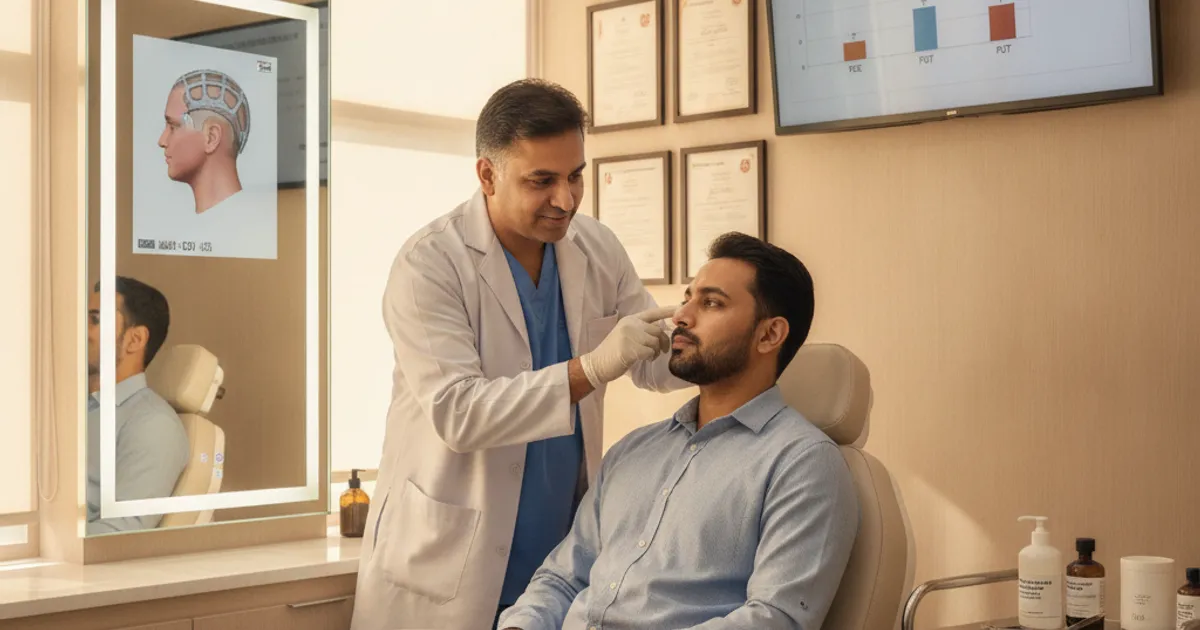
Topical finasteride and oral finasteride both work to slow male pattern hair loss, but they differ in how they deliver the drug, how effective they are, and what side effects they cause. Oral finasteride is generally more effective because it lowers scalp DHT more consistently, while topical finasteride causes fewer sexual side effects because less of the drug enters the bloodstream. The right choice depends on your hair loss stage, your tolerance for side effects, and your budget.
What Is the Difference Between Topical and Oral Finasteride?
The active ingredient is the same: finasteride. The difference is how it gets into your body. Oral finasteride is a pill you swallow once a day. It blocks the enzyme 5-alpha-reductase, which converts testosterone into DHT — the hormone that shrinks hair follicles. Topical finasteride is a liquid or foam you apply directly to the scalp. It aims to block DHT locally while minimising how much of the drug reaches your bloodstream.
| Feature | Topical Finasteride | Oral Finasteride |
|---|---|---|
| Form | Liquid, gel, or foam applied to scalp | Tablet taken by mouth |
| Frequency | Once or twice daily | Once daily |
| Scalp DHT reduction | Moderate (depends on formulation) | High |
| Systemic absorption | Low | High |
| Sexual side effect risk | Lower | Higher |
| Prescription needed | Yes (in most countries) | Yes |
| Best for | People worried about side effects | People wanting maximum effectiveness |
How Effective Is Topical Finasteride Compared to Oral?
Oral finasteride has decades of clinical evidence behind it. Studies show it can significantly reduce scalp DHT and regrow hair in many men. Topical finasteride is newer. Early research suggests it can reduce scalp DHT and produce similar hair counts in some users, but the results vary more because absorption depends on the formulation and how you apply it.
- Oral finasteride: strongest evidence, most consistent results, works for early to moderate hair loss.
- Topical finasteride: good evidence for mild to moderate loss, less consistent, better for those who can't tolerate oral side effects.
- Both: work best when started early and used consistently.
- Neither: regrows hair on completely bald areas — hair transplants are still needed for advanced loss.
What Are the Side Effects of Topical vs Oral Finasteride?
Oral finasteride carries a higher risk of systemic side effects because it lowers DHT throughout the body. The most common are reduced libido, erectile dysfunction, and decreased ejaculate volume. These affect a small percentage of users and usually go away after stopping. Topical finasteride causes fewer sexual side effects because less drug enters the bloodstream, but it can still cause scalp irritation, itching, or redness. Some men on topical still report mild sexual side effects, especially at higher concentrations.
| Side Effect | Topical Finasteride | Oral Finasteride |
|---|---|---|
| Reduced libido | Rare | Uncommon |
| Erectile dysfunction | Rare | Uncommon |
| Scalp irritation | Common | Not applicable |
| Depression or mood changes | Very rare | Rare |
| Breast tenderness | Very rare | Rare |
Which Form of Finasteride Is Right for You?
There's no single answer for everyone. Your choice depends on your priorities. If you want the highest chance of stopping hair loss and you're not worried about side effects, oral finasteride is usually the better bet. If you've had side effects from the pill or you want to minimise systemic exposure, topical finasteride is worth trying. Some men use both — a lower oral dose plus topical — but that should only be done under a doctor's supervision.
- Choose oral if: you want maximum effectiveness, you're comfortable with a small risk of sexual side effects, and you prefer a once-daily pill.
- Choose topical if: you've had side effects from oral finasteride, you want to avoid systemic DHT reduction, or you have mild hair loss.
- Consider a hair transplant if: you have advanced hair loss or bald patches where follicles no longer grow.
- Always talk to a doctor before starting either form — finasteride is prescription-only in most countries.
How Do You Choose a Clinic for Finasteride Treatment?
Finasteride is a prescription drug, so you'll need a doctor or a hair loss clinic to assess you and write a script. Many hair transplant clinics also offer finasteride as part of a treatment plan. Look for clinics that explain the difference between topical and oral, monitor your progress, and offer follow-up appointments. If you're considering a transplant alongside medication, check the clinic's results and whether they provide aftercare. You can browse verified clinics and read reviews on Clinic Reccy to compare options in your area.
Frequently Asked Questions
Can I switch from oral to topical finasteride?
Yes, but talk to your doctor first. Switching may change how well the drug works for you. Some men maintain results on topical, while others see slower progress. Your doctor can help you transition safely.
Is topical finasteride as safe as oral?
Topical finasteride has fewer systemic side effects because less drug enters the bloodstream. However, it can still cause scalp irritation and, in rare cases, mild sexual side effects. Oral finasteride has a higher risk of sexual side effects but is generally well tolerated.
How long does it take to see results from finasteride?
Results vary by person and by which form you use. Consistency is key. Talk to your doctor about what to expect and when to review your progress.
Do I need a prescription for topical finasteride?
In most countries, yes. Finasteride is a prescription medication, whether oral or topical. Some online services offer prescriptions after a consultation, but it's always best to see a doctor in person.
More Guides
- Does Finasteride Work for a Receding Hairline?
Finasteride can slow or stop a receding hairline in many men. Learn how it works, what to expect, and when a hair transplant makes more sense.
- Hair Transplant Cost: What You'll Actually Pay
Hair transplant costs vary by graft count, technique, and location. Learn how pricing works by hair loss stage and what factors affect your final bill.
- How Much Does Finasteride Cost Per Month?
Finasteride cost per month varies by generic vs brand, dose, and pharmacy. Learn what affects your monthly bill and how to keep costs down.
- Does Finasteride Regrow Hair? What the Evidence Shows
Finasteride can slow hair loss and regrow some hair in many men. Learn how it works, what results to expect, side effects, cost, and how it compares to minoxidi