
Does Vaping Cause Hair Loss? Nicotine and Follicles
Does vaping cause hair loss? We examine how nicotine affects hair follicles, whether vaping is worse than smoking, and practical steps to reduce damage.
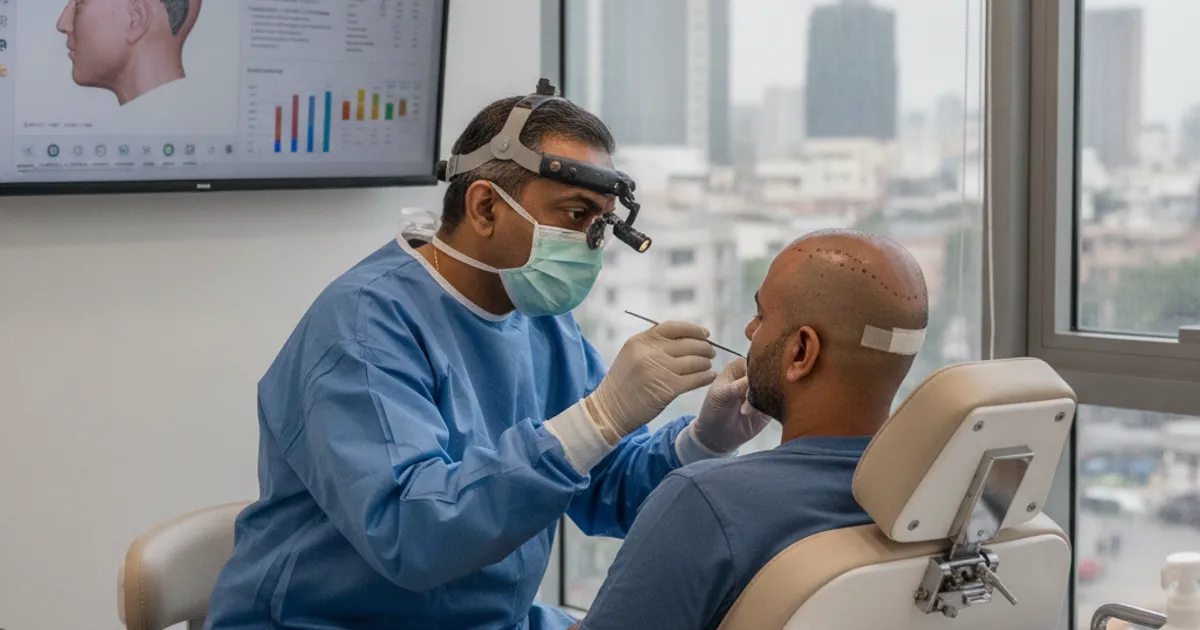
Does Vaping Cause Hair Loss?
Vaping can contribute to hair loss, but it's not a direct cause in the way that genetics or a nutritional deficiency is. The main culprit is nicotine, which restricts blood flow and can disrupt the hair growth cycle. If you're genetically predisposed to male or female pattern baldness, vaping may accelerate the process rather than start it. This article looks at the evidence on vaping and hair loss, how nicotine affects follicles, and what you can realistically do about it.
How Does Nicotine Affect Hair Follicles?
Nicotine is a vasoconstrictor. It narrows blood vessels, including the tiny capillaries that supply oxygen and nutrients to your hair follicles. Over time, reduced blood flow can starve follicles, leading to weaker strands and slower regrowth. Nicotine also affects hormone levels and may increase cortisol, which isn't great for hair. These effects are well established in general medical literature, though most studies focus on smoking rather than vaping specifically.
- Reduced blood flow: Nicotine constricts capillaries, limiting oxygen and nutrient delivery to follicles.
- Hormonal disruption: Nicotine can raise cortisol and affect androgen levels, both linked to hair shedding.
- Oxidative stress: Vape aerosol contains free radicals that can damage follicle cells.
- Impaired nutrient absorption: Smoking and vaping can interfere with vitamin and mineral uptake.
- Follicle miniaturisation: Chronic poor circulation can shrink follicles over time, similar to pattern baldness.
Vaping vs. Smoking: Which Is Worse for Hair?
Smoking is generally considered worse for your hair than vaping, simply because combustion produces a complex mix of toxic compounds, including tar and carbon monoxide, which further reduce oxygen in the blood. Vaping avoids combustion, but it still delivers nicotine and other chemicals. Neither is good for your follicles, but vaping is likely the lesser of two evils. That said, 'lesser' doesn't mean 'safe' — especially if you vape heavily or use high-nicotine products.
| Factor | Vaping | Smoking |
|---|---|---|
| Nicotine delivery | Yes, variable but often high | Yes, high |
| Combustion toxins | No | Yes (tar, CO, heavy metals) |
| Vasoconstriction | Yes (nicotine) | Yes (nicotine + CO) |
| Oxidative stress | Moderate | High |
| Impact on hair | Moderate risk | Higher risk |
What Does the Research Say About Vaping and Hair Loss?
Direct research on vaping and hair loss is still limited. Most of what we know comes from studies on smoking, which consistently link nicotine and tobacco smoke to increased hair shedding and early greying. Some smaller studies on vaping suggest it can impair wound healing and reduce blood flow, but large-scale hair-specific studies are lacking. The consensus is that nicotine, regardless of delivery method, is not hair-friendly. It's also worth noting that vaping aerosol contains propylene glycol, vegetable glycerin, and flavourings that may cause oxidative stress, though the long-term effects of inhaling these substances are still being studied.
- Smoking is linked to androgenetic alopecia and early hair loss in multiple observational studies.
- Nicotine impairs blood flow in skin and follicles, shown in animal and human studies.
- Vaping aerosol contains propylene glycol, vegetable glycerin, and flavourings that may cause oxidative stress.
- No long-term human studies specifically link vaping to hair loss, but mechanistic evidence suggests risk.
Can Vaping Make Existing Hair Loss Worse?
Yes, it can. If you're already losing hair due to genetics, hormonal changes, or nutritional issues, vaping can add another layer of stress. Nicotine's vasoconstriction and the oxidative stress from vape aerosol can accelerate follicle miniaturisation and reduce the effectiveness of treatments like minoxidil or finasteride. It's not a dealbreaker, but it's a factor worth addressing. If you're spending money on hair loss treatments, it makes sense to remove obstacles that might be working against them.
- Accelerated miniaturisation: Poor blood flow speeds up follicle shrinkage.
- Reduced treatment efficacy: Nicotine may counteract the benefits of hair loss medications.
- Delayed recovery: If you have a transplant, vaping can impair healing and graft survival.
- Increased shedding: Stress hormones and oxidative damage can push more hairs into the telogen phase.
How to Reduce Nicotine-Related Hair Damage
The most effective step is to quit nicotine entirely, but if you're not ready, you can reduce the impact. Improving circulation, nutrition, and scalp health can help offset some of the damage. Here's a practical approach.
- Cut down gradually: Reducing nicotine intake lowers the cumulative burden on your circulation. Even switching to a lower-strength vape can help.
- Improve scalp circulation: Regular scalp massage (a few minutes daily) and staying active can support blood flow to follicles.
- Eat for hair health: Prioritise protein, iron, zinc, and vitamins D and B12. These are the nutrients most commonly linked to hair shedding when deficient.
- Stay hydrated: Nicotine is a diuretic, and dehydration can affect skin and scalp health.
- Use gentle hair care: Avoid tight hairstyles, harsh chemicals, and excessive heat, which add stress to already vulnerable follicles.
- Consider minoxidil or finasteride: If you're already using these, quitting nicotine will help them work better. Talk to a doctor before starting.
- Set a quit date: Even if it's months away, having a plan makes a difference. Nicotine replacement therapy or support groups can help.
When to See a Specialist About Hair Loss
If you're noticing increased shedding, a receding hairline, or thinning at the crown, it's worth seeing a dermatologist or hair restoration specialist. They can assess whether your hair loss is genetic, stress-related, nutritional, or linked to lifestyle factors like vaping. Early intervention often leads to better outcomes. A specialist can also help you distinguish between temporary shedding (telogen effluvium) and progressive pattern baldness, which require different approaches.
- You notice sudden or patchy hair loss.
- You have a family history of pattern baldness and want to slow it down.
- You're considering a hair transplant and want to optimise your scalp health first.
- You've been vaping or smoking and want to understand the impact on your hair.
Frequently Asked Questions
Does vaping cause hair loss?
Vaping can contribute to hair loss indirectly through nicotine's effects on blood flow and follicle health, but it's not a direct cause. Genetics and other factors play a bigger role.
Is vaping worse than smoking for hair?
Smoking is generally worse because combustion produces more toxins that reduce oxygen and damage follicles. Vaping still delivers nicotine, so it's not harmless.
Can quitting vaping reverse hair loss?
Quitting can improve circulation and reduce oxidative stress, which may help slow further loss and support regrowth, but it won't reverse genetic baldness.
How long after quitting vaping will hair improve?
Hair grows slowly, so it may take several months to notice changes in shedding or thickness after quitting nicotine. There's no precise timeline that applies to everyone — it depends on your genetics, overall health, and how long you vaped. Some people notice less shedding within a few weeks, while visible thickness changes typically take longer.
How Long After Quitting Vaping Might Hair Improve?
There is no fixed timeline for hair recovery after quitting nicotine, and individual results vary widely. Hair grows slowly, so any changes in shedding or thickness take time to become noticeable. The hair growth cycle has three main phases: anagen (growth), catagen (transition), and telogen (resting and shedding). When nicotine exposure stops, the body has a chance to restore normal circulation and reduce oxidative stress, but follicles that have been miniaturised may not fully recover, especially if genetic hair loss is also present.
In general, if vaping was contributing to increased shedding, you might see a reduction in excessive daily shedding within a few weeks to a few months after quitting. However, visible regrowth or improved density typically takes several months to a year, as hair grows roughly half an inch per month. It's important to manage expectations: quitting nicotine removes a negative factor but does not reverse genetic baldness. If you have pattern hair loss, you may still need treatments like minoxidil or finasteride to maintain and improve your hair.
Vaping and Hair Transplant Recovery: What to Know
If you are considering a hair transplant or have recently had one, vaping can affect the outcome. Nicotine's vasoconstrictive effects reduce blood flow, which is critical for healing and graft survival. Many surgeons advise patients to stop nicotine use before and after surgery to optimise results. While specific protocols vary, a common recommendation is to avoid nicotine for at least a week before and several weeks after the procedure. This allows the scalp to heal properly and supports the establishment of new grafts.
Vaping may be less harmful than smoking in terms of combustion byproducts, but it still delivers nicotine, which is the primary concern for wound healing. If you vape, be honest with your surgeon so they can provide personalised guidance. They may ask you to switch to nicotine replacement therapy or quit temporarily. Following their advice can improve graft take and reduce the risk of complications.
- Nicotine restricts blood vessels, impairing oxygen and nutrient delivery to healing tissues.
- Reduced blood flow can lead to poor graft survival and delayed recovery.
- Most surgeons recommend stopping all nicotine products before and after transplant surgery.
- Discuss your vaping habits openly with your surgeon to receive appropriate instructions.
Other Lifestyle Factors That Compound Vaping's Effects
Vaping rarely acts in isolation. Its impact on hair can be amplified by other lifestyle and health factors. For example, a diet lacking essential nutrients like iron, zinc, and protein can worsen hair thinning, and vaping may further impair nutrient absorption. Similarly, chronic stress raises cortisol, and nicotine also affects stress hormones, creating a compounded burden on your hair. Poor sleep and lack of exercise can reduce circulation, adding to the problem.
Addressing these factors alongside nicotine reduction can make a meaningful difference. Prioritise a balanced diet, regular physical activity, stress management, and adequate sleep. If you suspect nutritional deficiencies, ask your doctor for blood tests. Remember that hair health is multifactorial; vaping is one piece of the puzzle, and optimising other areas can help mitigate some of the damage.
Does vaping cause hair loss directly?
No, vaping is not a direct cause of hair loss like genetics or a nutritional deficiency. However, nicotine and other chemicals in vape aerosol can contribute to hair damage by restricting blood flow, increasing oxidative stress, and disrupting hormones. This may accelerate existing hair loss rather than initiate it.
Is vaping worse than smoking for hair?
Smoking is generally considered worse because combustion produces additional toxins like tar and carbon monoxide, which further reduce oxygen in the blood. Vaping avoids combustion but still delivers nicotine. Neither is safe for hair, but vaping is likely the lesser of two evils.
Can quitting vaping reverse hair loss?
Quitting nicotine can improve circulation and reduce oxidative stress, which may help reduce excessive shedding and support healthier hair growth. However, it will not reverse genetic baldness or fully restore miniaturised follicles. Results vary, and it may take months to see changes.
How long should I stop vaping before a hair transplant?
Most surgeons recommend stopping all nicotine products, including vaping, at least one to two weeks before surgery and for several weeks after. This helps ensure good blood flow for healing and graft survival. Follow your surgeon's specific instructions.
Compare Clinics
Browse and compare verified clinics with real pricing.
More Guides
- Does Wegovy Cause Hair Loss? What Users Should Know
Wegovy can cause hair loss in some users, usually due to rapid weight loss or nutrient gaps. Learn why it happens, if it's permanent, and how to manage it.
- Hair Loss on Pillow vs in Shower: What's Normal?
Is hair loss on the pillow or in the shower normal? Learn typical daily shedding, causes, and when to worry. Expert answers for men and women.
- Does Hair Loss Run in Families? Genetics and Your Risk
Does hair loss run in families? Learn how genetics influence your risk, which genes are involved, and what you can do if you have a family history.
- Does Nicotine Cause Hair Loss? Vapes, Pouches, Patches
Does nicotine cause hair loss? We examine the evidence for vapes, pouches, and patches, how nicotine may affect hair growth, and whether quitting can help.