
When Can I Wash Hair After a Transplant? Recovery Guide
Wondering when you can wash your hair after a transplant? Get a clear day-by-day timeline, safe washing technique, and aftercare tips for graft survival.
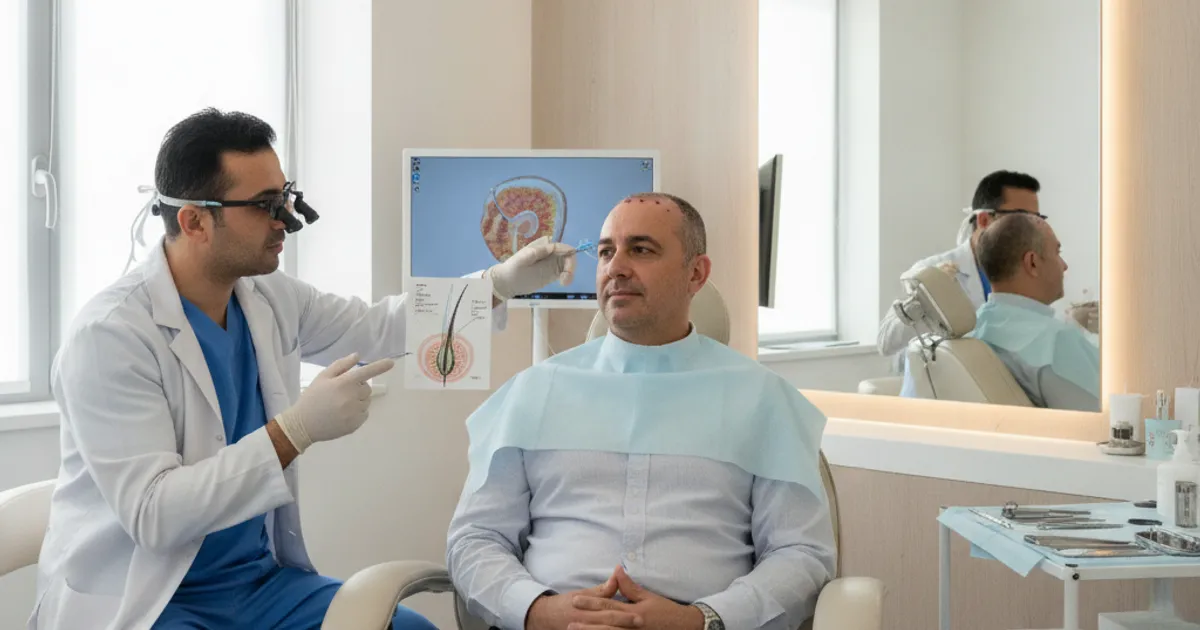
When Can I Wash My Hair After a Transplant? A Clear Timeline
If you've just had a hair transplant, the first question on your mind is often: when can I wash my hair? The short answer is that most clinics allow a gentle rinse within 48 to 72 hours, but full, normal washing typically resumes after 10 to 14 days. The exact timing depends on your surgeon's protocol and how your scalp heals. This guide walks you through a safe, practical timeline so you can protect your new grafts and avoid setbacks.
- First 48–72 hours: Keep the scalp dry. No washing unless your clinic instructs otherwise.
- Day 3–7: Gentle rinsing with a cup or low-pressure shower, using a mild shampoo provided or recommended by your clinic.
- Day 8–14: Gradually return to normal washing, but still avoid vigorous rubbing or scratching.
- After 2 weeks: Most people can wash normally, though scabs may still be shedding.
- After 1 month: Scalp should be fully healed; you can use regular shampoo and resume styling products if cleared by your doctor.
Why the First 72 Hours Matter Most
The first three days after surgery are critical for graft survival. During this window, the newly transplanted follicles are fragile and haven't yet anchored to the scalp. Any friction, direct water pressure, or harsh chemicals can dislodge them. That's why most clinics advise keeping the recipient area completely dry for at least 48 hours. Some may allow a very gentle saline spray, but always follow your surgeon's specific instructions.
- Grafts are most vulnerable in the first 72 hours.
- Avoid sweating, swimming, and direct sun exposure.
- Sleep with your head elevated to reduce swelling and prevent rubbing.
- Do not touch or scratch the recipient area, even if it itches.
- If you must go outside, wear a loose hat that doesn't touch the grafts.
Day-by-Day Washing Guide: From Surgery to Scalp Normal
Every clinic has its own aftercare protocol, but the following timeline reflects common practice. Use it as a general guide, and always defer to your surgeon's advice.
| Day | What You Can Do |
|---|---|
| Day 0 (surgery day) | Keep scalp dry. No washing. Clinic may apply a protective dressing. |
| Day 1–2 | Still no washing unless instructed. Use saline spray if provided. |
| Day 3 | First gentle wash: use a cup to pour lukewarm water over the scalp, then apply mild shampoo with fingertips (no rubbing). Rinse with cup. |
| Day 4–7 | Continue gentle washing daily. Pat dry with a soft towel—do not rub. |
| Day 8–10 | Scabs may start to loosen. You can increase water pressure slightly, but still avoid direct shower spray. |
| Day 11–14 | Most scabs gone. Return to normal washing, but be gentle. No harsh scrubbing. |
| Week 3–4 | Scalp should be healed. You can use regular shampoo and resume normal showering. |
How to Wash Your Hair Safely: Step-by-Step Technique
Even after you're allowed to wash, technique matters. Rough washing can dislodge grafts or irritate the scalp. Here's a safe method to follow for the first two weeks.
Products to Use and Avoid During Recovery
What you put on your scalp can make or break your recovery. Some ingredients promote healing, while others can irritate or damage grafts. Here's a quick comparison.
| Product Type | Use During Recovery? | Notes |
|---|---|---|
| Mild, fragrance-free shampoo | Yes | Safe from day 3 onward. Recommended by most clinics. |
| Baby shampoo | Yes | Gentle alternative if clinic-approved. |
| Medicated shampoo (ketoconazole, etc.) | Only if prescribed | Some clinics allow after 2 weeks; others say wait a month. |
| Dry shampoo | No | Can clog pores and irritate grafts. |
| Hair dye or bleach | No | Wait at least 4–6 weeks, or as advised by your surgeon. |
| Styling products (gel, wax, spray) | No | Avoid for at least 2 weeks; some clinics say 4 weeks. |
| Scalp oils or serums | Only if approved | Some oils can be used after 2 weeks to soften scabs, but check first. |
Common Mistakes That Can Harm Grafts
Even with good intentions, it's easy to make mistakes that jeopardize your results. Watch out for these common pitfalls.
- Washing too soon or too vigorously.
- Using hot water, which can irritate the scalp and increase swelling.
- Scratching or picking at scabs—let them fall off naturally.
- Swimming in pools, lakes, or the ocean before your clinic gives the green light (usually 2–3 weeks).
- Exposing the scalp to direct sunlight without protection.
- Using harsh chemicals or styling tools too early.
Planning Your Recovery: Time Off, Travel, and Social Life
A hair transplant is a minor procedure, but it does require some downtime. Plan for at least 2–3 days off work if you have a desk job, and longer if your job is physical. You'll also want to avoid air travel for a few days due to pressure changes and dryness. Socially, you may feel self-conscious about scabs or redness, but most people return to normal activities within a week.
- Take 2–3 days off work for a desk job; 1–2 weeks for manual labor.
- Avoid flying for at least 3–5 days, or as advised by your surgeon.
- Don't plan major social events for the first week.
- Stock up on mild shampoo, soft towels, and a travel pillow before surgery.
- Arrange for someone to drive you home after the procedure.
When to Contact Your Clinic
Most recoveries go smoothly, but some symptoms warrant a call to your surgeon. Don't hesitate to reach out if something feels off.
- Severe pain that doesn't improve with medication.
- Excessive bleeding or discharge from the recipient area.
- Signs of infection: redness, swelling, warmth, or fever.
- Sudden loss of many grafts (more than a few).
- Allergic reaction to shampoo or medication (rash, itching, hives).
Frequently Asked Questions
Can I wash my hair 24 hours after a hair transplant?
No, most clinics advise keeping the scalp dry for at least 48 hours. Washing too soon can dislodge fragile grafts. Follow your surgeon's specific instructions.
What happens if I wash my hair too early?
Washing too early or too vigorously can dislodge grafts, leading to poor growth in those areas. If you accidentally get your scalp wet, pat it dry gently and call your clinic for advice.
How often should I wash my hair after a transplant?
Once you're cleared to wash, typically around day 3, you can wash daily or every other day with a mild shampoo. Gentle technique is more important than frequency.
When can I use regular shampoo again?
Most clinics say you can return to your regular shampoo after 2 weeks, once scabs have fallen off and the scalp is healed. If your regular shampoo contains harsh chemicals, wait a bit longer.
More Guides
- Hair Transplant Graft Count: How Many Do You Need?
How many grafts for a hair transplant? Learn how graft counts are estimated, typical ranges by Norwood stage, and what to confirm before surgery.
- How to Choose a Hair Transplant Surgeon: Credentials to Check
Learn how to choose a hair transplant surgeon by checking credentials, board certification, training, and real patient results. A practical guide.
- Costco Finasteride: Price, Membership & Prescription Steps
A practical guide to getting finasteride at Costco: membership rules, prescription steps, generic vs. brand costs, and aftercare planning.
- Smoking and Hair Transplant Healing: What to Know
Smoking slows hair transplant healing and threatens graft survival. Learn why to stop before surgery, how long to avoid nicotine after, and recovery tips.