
Does Whey Protein Cause Hair Loss? Myth or Real Risk
Does whey protein cause hair loss? We break down the science, who's at risk, and how to prevent it. Get clear answers and expert-backed advice.
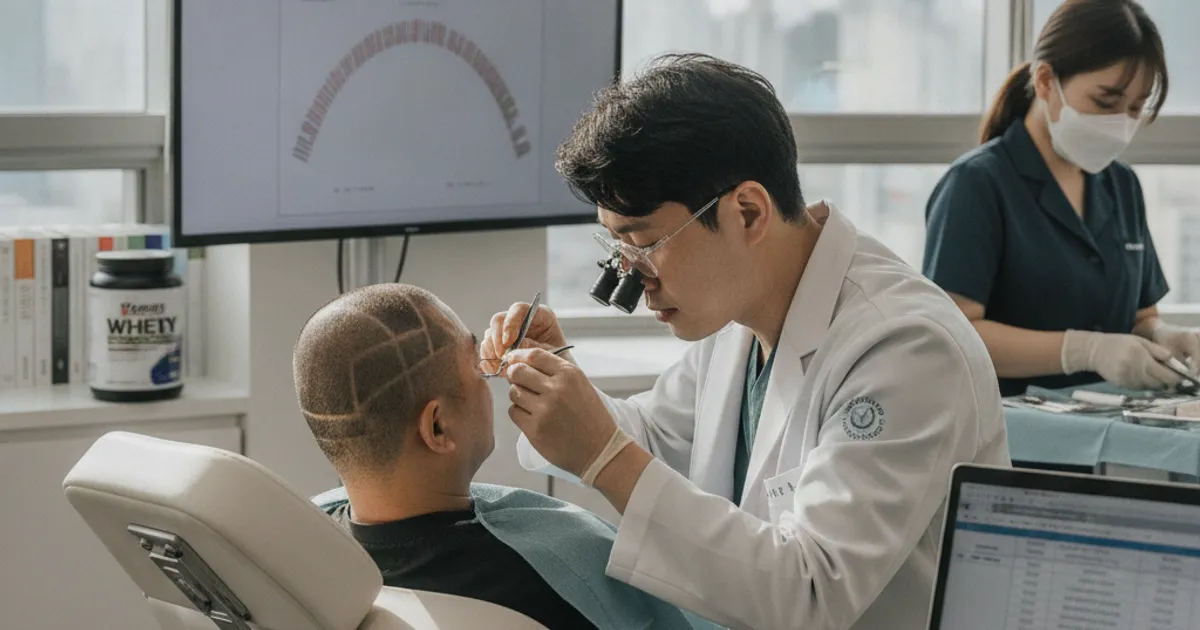
Does Whey Protein Cause Hair Loss?
No, whey protein does not directly cause hair loss in most people. There is no solid scientific evidence that whey protein itself damages hair follicles or triggers male or female pattern baldness. However, in some cases, whey protein can indirectly contribute to hair shedding if it leads to nutritional imbalances, extreme calorie restriction, or a surge in certain hormones. So the short answer is: whey protein is not a direct cause, but it can be a contributing factor in specific circumstances.
What Does the Science Say About Whey Protein and Hair Loss?
Research on whey protein and hair loss is limited, but what exists points away from a direct link. Most studies focus on protein deficiency and hair health, not whey protein specifically. Here's what we know:
- Protein is essential for hair growth. Hair is made of keratin, a protein. Severe protein deficiency can cause hair shedding, but whey protein adds protein, it doesn't remove it.
- No clinical trials have shown that whey protein causes hair loss in healthy adults.
- Some anecdotal reports link whey protein to increased shedding, but these are not backed by controlled studies.
- Whey protein can raise insulin-like growth factor 1 (IGF-1), which some researchers speculate might influence hair cycling, but the evidence is weak and conflicting.
- Dairy sensitivity or allergy could trigger inflammation, which might affect hair, but that's not the same as whey protein directly causing hair loss.
How Could Whey Protein Contribute to Hair Loss?
Even though whey protein isn't a direct culprit, it can play a role in hair shedding through indirect mechanisms. Here are the main ways it might contribute:
- Nutritional imbalance: If you replace whole meals with protein shakes, you might miss out on key nutrients like iron, zinc, biotin, and vitamin D, all of which are important for hair growth.
- Calorie deficit: Many people use whey protein as part of a weight-loss plan. Rapid weight loss or low-calorie intake can trigger telogen effluvium, a temporary shedding condition.
- Hormonal changes: Intense exercise combined with high protein intake can alter hormone levels, including testosterone and cortisol. In people genetically predisposed to pattern baldness, these shifts might accelerate hair loss.
- Dairy sensitivity: Whey is a dairy derivative. If you have an undiagnosed dairy intolerance, chronic inflammation could stress your system and affect hair.
- Contaminants or additives: Some low-quality protein powders contain fillers, artificial sweeteners, or heavy metals that could theoretically impact health, though direct links to hair loss are not proven.
What Are the Other Common Causes of Hair Loss?
Hair loss is rarely caused by one thing. It's usually a mix of genetics, hormones, health conditions, and lifestyle factors. Before blaming whey protein, consider these more common causes:
| Cause | Description |
|---|---|
| Genetics (androgenetic alopecia) | The most common cause. Inherited sensitivity to DHT shrinks hair follicles over time. |
| Hormonal changes | Pregnancy, menopause, thyroid issues, and PCOS can all affect hair growth. |
| Medical conditions | Anemia, autoimmune diseases, and scalp infections can lead to shedding. |
| Medications | Some drugs for depression, arthritis, heart problems, and cancer list hair loss as a side effect. |
| Stress | Physical or emotional stress can push hair into a resting phase, causing temporary shedding. |
| Nutritional deficiencies | Low iron, zinc, vitamin D, and B vitamins are common culprits. |
| Hairstyling habits | Tight braids, harsh chemicals, and heat damage can break hair and damage follicles. |
Who Is Most at Risk of Hair Loss from Whey Protein?
Whey protein is unlikely to cause hair loss in isolation, but certain groups may be more vulnerable to shedding if they use it heavily or in combination with other factors:
- People with a family history of pattern baldness: If you're genetically predisposed, any hormonal shift could speed up hair loss.
- Athletes and bodybuilders: High training volumes, strict diets, and supplement stacks can create a perfect storm for hair shedding.
- Individuals with dairy allergies or sensitivities: Chronic inflammation from dairy could affect hair health.
- People on very low-calorie diets: Using whey protein to replace meals can lead to nutrient gaps.
- Those with existing nutritional deficiencies: If you're already low on iron or zinc, adding whey protein won't fix the problem and might distract from it.
How Can You Prevent or Reverse Whey Protein-Related Hair Loss?
If you suspect whey protein is contributing to your hair shedding, don't panic. Hair loss from nutritional or stress-related causes is often reversible. Here's a step-by-step approach:
- Step 1: Assess your diet. Make sure you're eating a balanced mix of whole foods. Don't rely on shakes for meals.
- Step 2: Check for deficiencies. Get blood tests for iron, ferritin, zinc, vitamin D, and B12. Correct any shortages with a doctor's guidance.
- Step 3: Try a whey protein break. Switch to a plant-based protein powder for 8–12 weeks and see if shedding slows.
- Step 4: Manage stress and sleep. Both play a huge role in hair health.
- Step 5: Talk to a dermatologist. If shedding continues, you may need a proper diagnosis and treatment like minoxidil or finasteride.
- Step 6: Consider hair transplant if needed. For permanent hair loss, a transplant can restore density. Costs vary by stage of hair loss — see the table below.
Average Hair Transplant Costs by Stage of Hair Loss
When Should You See a Doctor About Hair Loss?
It's normal to lose 50–100 hairs a day. But if you're noticing more shedding than usual, or if your hair is thinning in patches, it's time to get professional advice. See a doctor if:
- You're losing hair in clumps or patches.
- Your scalp is itchy, red, or painful.
- You notice sudden shedding after starting a new supplement or medication.
- You have other symptoms like fatigue, weight changes, or irregular periods.
- Hair loss is affecting your confidence or mental health.
Frequently Asked Questions
Can whey protein cause hair loss in women?
Whey protein itself doesn't cause hair loss in women. But if it's part of a low-calorie diet or leads to nutritional gaps, it could contribute to shedding. Women with PCOS or thyroid issues may be more sensitive.
Is plant-based protein better for hair than whey?
Not necessarily. Plant-based proteins can be just as effective if they provide all essential amino acids. Some people find they tolerate plant protein better if they have dairy sensitivity, which might help if dairy was causing inflammation.
How long after starting whey protein would hair loss show up?
Hair shedding from nutritional or stress-related causes typically appears 2–3 months after the trigger. So if you started whey protein and noticed shedding soon after, it's unlikely to be the direct cause.
Should I stop taking whey protein if I'm losing hair?
If you suspect it's contributing, try switching to a different protein source for a few months. But don't stop without addressing other potential causes like genetics, hormones, or deficiencies. See a doctor for a proper evaluation.
Whey Protein vs. Other Protein Sources: What Matters for Hair
If you're concerned about hair health, the type of protein you choose may matter less than the overall quality of your diet. Whey protein is a complete protein, meaning it provides all essential amino acids, including those needed for keratin production. However, other protein sources come with additional nutrients that whey lacks. For example, whole foods like eggs, fish, lean meat, legumes, and dairy provide not only protein but also iron, zinc, biotin, and other micronutrients that support hair growth. Plant-based protein powders may contain fiber and phytonutrients but can be lower in certain amino acids like leucine, so blending sources (e.g., pea and rice protein) can improve the amino acid profile. The key takeaway: whey protein is not inherently bad for hair, but relying on it as your primary protein source could displace nutrient-dense foods. A balanced diet that includes a variety of protein sources is more likely to support hair health than any single supplement.
How to Choose a Clean Whey Protein (and What to Avoid)
Not all whey protein powders are created equal. Some contain added sugars, artificial sweeteners, fillers, or contaminants that could theoretically affect health, though direct links to hair loss are not established. When selecting a whey protein, consider these practical tips:
- Look for third-party testing seals (e.g., NSF Certified for Sport, Informed Choice) to verify purity and label accuracy.
- Choose products with minimal ingredients—ideally just whey protein isolate or concentrate, and perhaps natural flavoring.
- Avoid proprietary blends that hide individual ingredient amounts.
- If you have dairy sensitivity, consider whey isolate (which is lower in lactose) or a non-dairy alternative like pea or rice protein.
- Check for added vitamins and minerals; while not harmful, they can contribute to excessive intake if you already take a multivitamin.
What to Expect When You Stop Whey Protein: A Timeline
If you suspect whey protein is contributing to hair shedding and decide to eliminate it, here's what you might expect. Hair grows in cycles, and shedding typically becomes noticeable weeks to months after a trigger. Similarly, improvements after removing a trigger take time. Telogen effluvium (stress-related shedding) usually resolves within 3 to 6 months once the cause is addressed. However, if you have an underlying nutritional deficiency or genetic hair loss, stopping whey alone may not be enough. It's important to address all potential factors. During the transition, monitor your shedding and overall hair health. If shedding continues beyond 6 months or worsens, consult a dermatologist for further evaluation.
Can I use whey protein if I have a dairy allergy?
If you have a true dairy allergy, you should avoid whey protein because it is derived from milk. Even whey isolate, which is highly filtered, may contain trace amounts of milk proteins. For those with lactose intolerance, whey isolate may be better tolerated, but consult your doctor before use.
Does whey protein affect hair differently in men and women?
There is no evidence that whey protein affects hair differently based on sex. However, hormonal factors like androgens play a role in pattern hair loss, which can affect both men and women. If you have a genetic predisposition, any factor that influences hormones could theoretically impact hair, but whey protein itself is not a known hormone disruptor.
How much whey protein is safe for hair health?
There is no established safe limit specifically for hair health. General protein recommendations are about 0.8 grams per kilogram of body weight for sedentary adults, and higher for active individuals. Most people can safely consume whey protein as part of a balanced diet without worrying about hair loss. Excessive intake beyond your body's needs is unlikely to provide extra hair benefits and may displace other nutrients.
More Guides
- Does Wegovy Cause Hair Loss? What Users Should Know
Wegovy can cause hair loss in some users, usually due to rapid weight loss or nutrient gaps. Learn why it happens, if it's permanent, and how to manage it.
- Hair Loss on Pillow vs in Shower: What's Normal?
Is hair loss on the pillow or in the shower normal? Learn typical daily shedding, causes, and when to worry. Expert answers for men and women.
- Does Hair Loss Run in Families? Genetics and Your Risk
Does hair loss run in families? Learn how genetics influence your risk, which genes are involved, and what you can do if you have a family history.
- Does Nicotine Cause Hair Loss? Vapes, Pouches, Patches
Does nicotine cause hair loss? We examine the evidence for vapes, pouches, and patches, how nicotine may affect hair growth, and whether quitting can help.