
Alopecia Shampoo Treatment: What to Look For and What Works
A practical guide to alopecia shampoo treatment: how it works, evidence, key ingredients, usage, results timeline, side effects, cost, and alternatives.
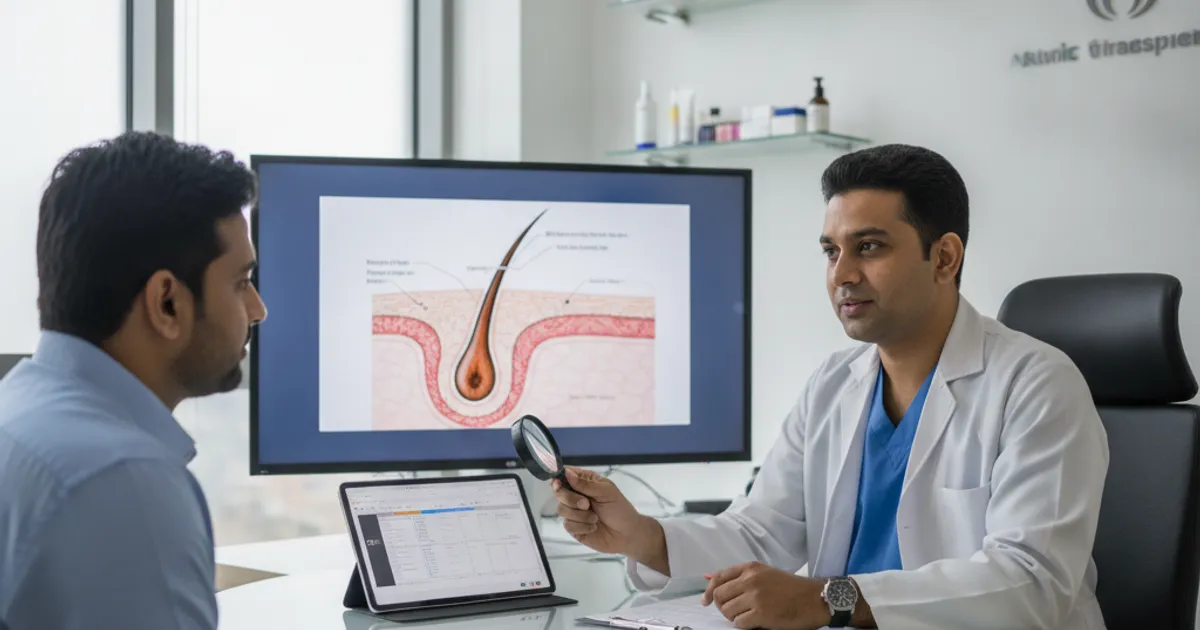
What Is Alopecia Shampoo Treatment and How Does It Work?
Alopecia shampoo treatment is a broad term for shampoos marketed to help with hair loss, thinning, or scalp conditions that contribute to shedding. Unlike prescription medications, these are cosmetic products. They don't cure alopecia, but certain formulations can support scalp health, reduce inflammation, and in some cases create a less favourable environment for the hormones and processes that drive pattern hair loss. The idea is simple: you're already washing your hair, so a medicated or specialised shampoo adds a therapeutic step to your routine with minimal effort.
How they work depends entirely on the active ingredients. Some contain ketoconazole, an antifungal that also appears to have mild anti-androgenic effects on the scalp. Others use caffeine, saw palmetto, niacinamide, or zinc pyrithione to target inflammation, sebum production, or blood flow. Many are simply gentle cleansers that avoid harsh sulphates and conditioners that coat the hair shaft to make thinning look less obvious. It's important to understand that shampoos have short contact time with the scalp — usually a few minutes — so their effect is limited compared to leave-on treatments or oral drugs.
- Cleansing and scalp health: removing excess oil, dead skin, and product buildup can reduce inflammation and create a healthier environment for hair follicles.
- Anti-inflammatory action: ingredients like ketoconazole and zinc pyrithione can calm scalp irritation, which may reduce shedding in inflammatory scalp conditions.
- Anti-androgenic effects: some shampoos aim to block DHT at the scalp level, though evidence is weaker than for oral finasteride.
- Cosmetic thickening: polymers and proteins coat the hair shaft, making individual hairs appear thicker and reducing the look of thinning.
- Sebum control: reducing oil production can help with conditions like seborrheic dermatitis, which is common in people with androgenetic alopecia.
The Evidence: Do Alopecia Shampoos Actually Grow Hair?
The honest answer is that most alopecia shampoos do not regrow hair in the way that minoxidil or finasteride can. The evidence base is strongest for ketoconazole shampoo, which has been studied as an adjunct treatment for androgenetic alopecia. Several small trials suggest it can improve hair density and reduce shedding when used alongside other treatments, but it is not a standalone cure. Caffeine-based shampoos have some in vitro evidence showing caffeine stimulates hair follicles, but clinical trials in humans are limited and often of low quality. Saw palmetto shampoos have weak evidence, mostly from small studies or manufacturer-sponsored research.
That said, there is a legitimate role for shampoos in a comprehensive hair loss regimen. If you have seborrheic dermatitis or an inflamed scalp, treating that with a medicated shampoo can reduce shedding and improve the environment for other treatments. And for people who can't use minoxidil or finasteride, a well-formulated shampoo is a low-risk option that may offer modest benefits. Just don't expect miracles.
- Ketoconazole: moderate evidence as an adjunct for androgenetic alopecia; strongest evidence among shampoo ingredients.
- Caffeine: promising in lab studies, but human trials are small and often funded by brands.
- Saw palmetto: weak evidence; some small studies show reduced shedding, but quality is low.
- Zinc pyrithione: good for dandruff and seborrheic dermatitis, which can contribute to shedding.
- Niacinamide: limited evidence for hair growth, but may improve scalp barrier function.
- Biotin: only helps if you have a genuine deficiency; otherwise no proven benefit for hair growth.
Key Ingredients to Look For (and What to Avoid)
When you're standing in the shampoo aisle or scrolling through product listings, the ingredient list is your best guide. Not all 'hair loss' shampoos are created equal. Here's a breakdown of what has some evidence behind it and what's mostly marketing.
| Ingredient | What It Does | Evidence Level | Notes |
|---|---|---|---|
| Ketoconazole | Antifungal, reduces scalp inflammation, possible mild anti-androgenic effect | Moderate (as adjunct) | Available in prescription and over-the-counter strengths in many countries |
| Caffeine | Stimulates hair follicle metabolism in lab studies | Low–moderate | Contact time may be too short for meaningful effect |
| Saw palmetto | Plant extract with anti-androgenic properties | Low | Most studies are small or industry-funded |
| Zinc pyrithione | Antifungal, reduces dandruff and seborrheic dermatitis | Moderate for scalp condition | Indirect benefit for shedding related to scalp inflammation |
| Niacinamide | Improves scalp barrier, reduces inflammation | Low for hair growth | Better evidence for skin barrier than hair |
| Biotin | Supports keratin production | Only if deficient | No benefit for hair growth in people without deficiency |
| Sulphates (SLS/SLES) | Harsh detergents that can irritate scalp | Avoid if sensitive | Not inherently bad, but can worsen dryness or irritation |
| Silicones | Coat hair shaft for temporary thickness | Cosmetic only | No effect on hair growth; can build up on some scalps |
- Look for short contact time ingredients that are proven to penetrate: ketoconazole is the standout.
- Avoid shampoos with heavy fragrances or essential oils if you have sensitive or inflamed scalp — they can worsen irritation.
- Don't pay extra for biotin unless you've been tested for deficiency.
- Check for sulphates if your scalp is dry or reactive; sulphate-free formulas are gentler but don't clean as thoroughly.
- Be sceptical of 'clinically proven' claims without a citation — many are based on internal studies.
How to Use Alopecia Shampoo: Dosage, Frequency, and Best Practices
Using an alopecia shampoo isn't complicated, but a few details make a difference. Most medicated shampoos recommend leaving the product on the scalp for a few minutes before rinsing. That contact time is crucial for active ingredients like ketoconazole to work. If you rinse immediately, you're mostly wasting the active ingredient.
- Frequency: follow the label; medicated shampoos are typically used a few times per week. Daily use may irritate the scalp.
- Contact time: leave on scalp for a few minutes before rinsing. Use a timer if needed.
- Application: focus on the scalp, not the hair ends. Massage gently with fingertips, not nails.
- Rinsing: rinse thoroughly to avoid residue that can cause irritation or dullness.
- Conditioner: use a separate conditioner on mid-lengths and ends if your hair feels dry — medicated shampoos can be drying.
- Consistency: results, if any, take months. Don't judge after two weeks.
Expected Results and Timeline: What to Realistically Expect
This is where marketing often oversells. Alopecia shampoos are not fast-acting. If you see any benefit, it's likely to be a reduction in shedding or an improvement in how your hair looks and feels, rather than dramatic regrowth. Hair grows slowly, so any real change in density takes months to become noticeable. And because shampoos have limited penetration, the ceiling for improvement is lower than with leave-on treatments.
| Timeline | What You Might Notice | Realistic Expectations |
|---|---|---|
| First few weeks | Scalp feels less itchy or flaky; hair may feel cleaner or drier depending on formula | No visible change in hair density |
| Around two months | Possible reduction in shedding if scalp inflammation was a factor | Subtle at best; most people notice nothing |
| Three to four months | Some users report hair looks slightly thicker due to cosmetic coating | Regrowth is unlikely; reduced shedding is the main realistic benefit |
| Six months and beyond | If used as part of a broader regimen, may support overall scalp health | Shampoo alone rarely produces visible regrowth |
Side Effects and Risks: What You Should Know
Alopecia shampoos are generally well tolerated, especially compared to oral medications. But they aren't risk-free. The most common issues are scalp irritation, dryness, and contact dermatitis from fragrances or preservatives. Ketoconazole shampoo can cause itching, redness, or a burning sensation in some people. Zinc pyrithione is generally gentle but can irritate sensitive skin. And any shampoo can cause an allergic reaction, though serious reactions are rare.
- Scalp irritation: redness, itching, or burning, especially with medicated shampoos.
- Dryness: frequent use of medicated shampoos can strip natural oils, leading to dry hair and scalp.
- Contact dermatitis: allergic reaction to fragrances, preservatives, or active ingredients.
- Hair texture changes: some shampoos can make hair feel rougher or more tangled.
- Rare: severe allergic reactions (anaphylaxis) are extremely rare but possible with any topical product.
Who Is Alopecia Shampoo Suitable For?
Alopecia shampoo is not a one-size-fits-all solution. It's most useful as a supporting player, not the main event. If you have early-stage androgenetic alopecia and want to add a low-risk adjunct to your routine, a ketoconazole shampoo is a reasonable choice. If you have seborrheic dermatitis or an inflamed scalp, a medicated shampoo can reduce shedding and improve scalp health. But if you're expecting a shampoo to reverse significant hair loss, you'll be disappointed.
- Good for: people with early thinning who want a low-risk adjunct to minoxidil or finasteride.
- Good for: anyone with dandruff, seborrheic dermatitis, or scalp inflammation that may be contributing to shedding.
- Good for: people who can't tolerate or don't want to use prescription treatments and want a modest, low-risk option.
- Not suitable as a standalone treatment for moderate to advanced hair loss.
- Not a replacement for proven treatments like minoxidil, finasteride, or hair transplant surgery.
- Not for: people with known allergies to specific ingredients; always check the label.
Cost: What to Expect and How It Compares
Alopecia shampoos are one of the cheapest hair loss treatments available. You can find over-the-counter options for a modest price per bottle, while prescription-strength ketoconazole shampoo costs more but is still relatively affordable. The cost depends on the active ingredient, brand, and where you buy it. Below is a general range based on typical retail prices — but keep in mind that prices vary by country and retailer.
| Treatment | Typical Cost | Frequency | Notes |
|---|---|---|---|
| Alopecia shampoo (OTC) | Low cost per bottle | A few times per week | Low cost, low risk, modest benefit |
| Ketoconazole shampoo (Rx) | Moderate cost per bottle | A few times per week | Prescription required in some countries |
| Minoxidil topical | Moderate monthly cost | Twice daily | Proven regrowth, more effort |
| Finasteride oral | Moderate monthly cost | Daily | Prescription required; proven for male pattern baldness |
| Hair transplant (early stage) | Lowest surgical cost range | One-time (plus follow-up) | Surgical; for suitable candidates |
| Hair transplant (moderate stage) | Mid surgical cost range | One-time | Cost depends on graft count and clinic |
| Hair transplant (advanced stage) | Highest surgical cost range | One-time | May require multiple sessions |
How Alopecia Shampoo Compares to Other Hair Loss Treatments
Shampoo is the lowest-effort, lowest-cost, and lowest-efficacy option in the hair loss treatment hierarchy. That doesn't make it useless — it just means you need to set expectations. Here's how it stacks up against the main alternatives.
| Treatment | Efficacy | Effort | Cost | Best For |
|---|---|---|---|---|
| Alopecia shampoo | Low–moderate (adjunct) | Low | Low | Scalp health, early thinning, adjunct to other treatments |
| Minoxidil topical | Moderate–high | Moderate (twice daily) | Moderate | Androgenetic alopecia, early to moderate stages |
| Finasteride oral | High (for male pattern baldness) | Low (daily pill) | Moderate | Men with androgenetic alopecia |
| Low-level laser therapy | Low–moderate | Moderate (device use) | Moderate–high | Adjunct treatment, early thinning |
| Hair transplant | High (permanent for transplanted hair) | High (surgery + recovery) | High | Moderate to advanced hair loss, suitable candidates |
| PRP injections | Low–moderate | Moderate (clinic visits) | Moderate–high | Adjunct treatment, early to moderate thinning |
- Shampoo is not a substitute for minoxidil or finasteride if your goal is to slow or reverse pattern hair loss.
- Shampoo can be a useful add-on if you have scalp inflammation or dandruff, which can worsen shedding.
- If you're considering a hair transplant, shampoo won't change your candidacy — but a healthy scalp is helpful for post-op healing.
- For advanced hair loss, no shampoo will regrow hair; surgery or a hair system is more realistic.
Frequently Asked Questions
Can alopecia shampoo regrow hair on its own?
In most cases, no. Alopecia shampoos are best at supporting scalp health and reducing shedding related to inflammation or dandruff. Some ingredients like ketoconazole have mild evidence as an adjunct for androgenetic alopecia, but they are not proven standalone regrowth treatments. If you want to regrow hair, you'll likely need minoxidil, finasteride, or a hair transplant, depending on your situation.
How long should I use an alopecia shampoo before giving up?
Give it at least three to four months. Hair grows slowly, and any effect on shedding or scalp health takes time to become noticeable. If you see no change in scalp comfort or shedding after four months, it's probably not doing much for you. But don't expect dramatic regrowth at any point — that's not what shampoos are for.
Is ketoconazole shampoo safe for long-term use?
Ketoconazole shampoo is generally considered safe for long-term use when used as directed, typically a few times per week. Some people experience scalp dryness or irritation. If you have concerns, talk to a dermatologist. It's not recommended for pregnant or breastfeeding women without medical advice.
Can I use alopecia shampoo with minoxidil or finasteride?
Yes. In fact, that's the most sensible way to use it — as an adjunct to proven treatments. Use the shampoo first, rinse and dry your scalp, then apply minoxidil. Finasteride is oral, so there's no interaction. Just be aware that shampoos can be drying, so you may need a conditioner.
More Guides
- Alopecia Hair Treatment: Options for Every Type
Explore alopecia hair treatment options, from minoxidil to transplants. Learn about types, evidence, usage, results, side effects, and suitability.
- FDA-Approved Treatments for Alopecia: Your Options
Explore FDA-approved treatments for alopecia: how they work, evidence, usage, results, side effects, cost, and how they compare to alternatives.
- Dermaroller for Hair Loss: Session Guide and Results
A practical guide to dermaroller treatment for hair loss: how it works, session frequency, expected results timeline, side effects, cost, and who it suits.
- Minoxidil Results: How Long Before You See Hair Growth?
How long does minoxidil take to work? Learn the month-by-month timeline, evidence, dosage, side effects, cost, and how it compares to other treatments.