
Alopecia Hair Treatment: Options for Every Type
Explore alopecia hair treatment options, from minoxidil to transplants. Learn about types, evidence, usage, results, side effects, and suitability.
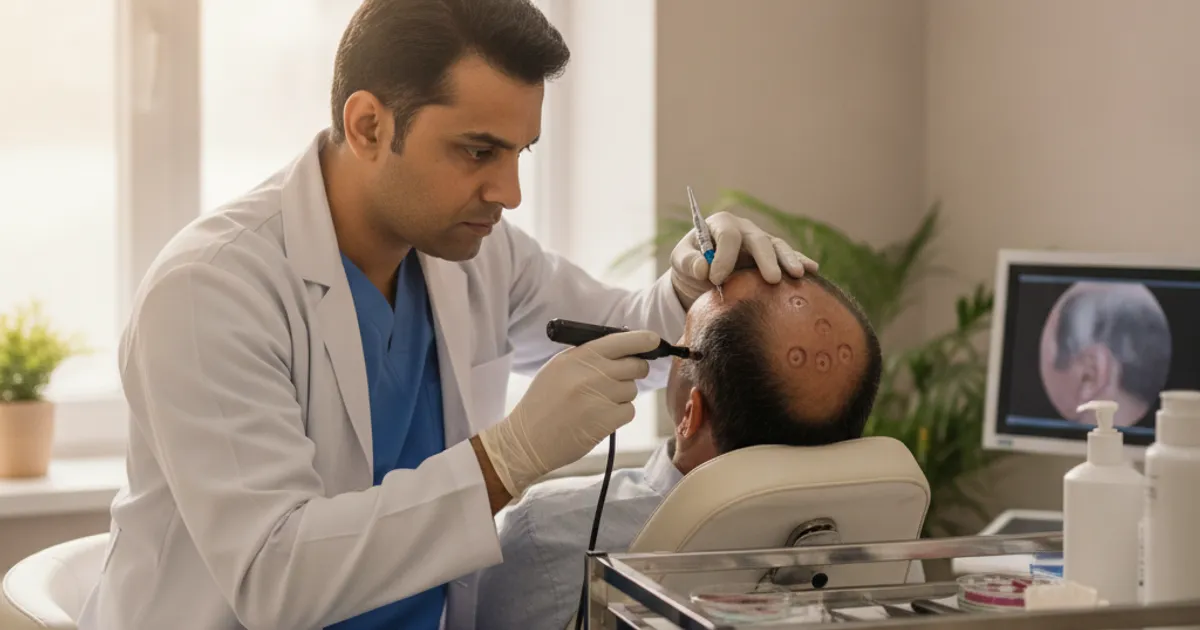
What Is Alopecia and How Do Hair Loss Treatments Work?
Alopecia is the medical term for hair loss, which can affect the scalp or entire body. It's not a single condition but a symptom of many underlying causes, from genetics to autoimmune issues. Understanding the type of alopecia you have is the first step toward choosing an effective alopecia hair treatment. Treatments work through different mechanisms: some stimulate blood flow to hair follicles, others block hormones that shrink follicles, and some reduce inflammation or suppress the immune system. Surgical options like hair transplants relocate healthy follicles to thinning areas. The right approach depends on your specific diagnosis, the extent of loss, and your overall health.
- Minoxidil: a topical or oral vasodilator that prolongs the growth phase of hair follicles.
- Finasteride and dutasteride: oral medications that block the conversion of testosterone to DHT, a hormone that damages hair follicles in genetic hair loss.
- Corticosteroids: injections, topical creams, or oral steroids to reduce inflammation in autoimmune alopecia.
- Immunotherapy: topical sensitizers like diphenylcyclopropenone (DPCP) to trigger an allergic response that may promote hair regrowth in alopecia areata.
- Hair transplantation: a surgical procedure that moves DHT-resistant follicles from the back of the scalp to bald or thinning areas.
- Low-level laser therapy (LLLT): devices that emit red light to stimulate cellular activity in hair follicles.
- Platelet-rich plasma (PRP): injections of concentrated platelets from your own blood to stimulate hair growth factors.
Types of Alopecia: Matching Treatment to Your Condition
Alopecia comes in several forms, each with its own best treatment path. Androgenetic alopecia (male or female pattern hair loss) is the most common and responds well to medications and transplants. Alopecia areata is an autoimmune condition that causes patchy loss and may require immune-modulating treatments. Telogen effluvium is temporary shedding triggered by stress, illness, or hormonal changes, and often resolves on its own. Traction alopecia results from tight hairstyles and can be reversed if caught early. Scarring alopecias (like frontal fibrosing alopecia) cause permanent follicle destruction and need urgent anti-inflammatory treatment. The table below summarizes the main types and their typical treatments.
| Type of Alopecia | Common Treatments | Notes |
|---|---|---|
| Androgenetic alopecia (pattern hair loss) | Minoxidil, finasteride/dutasteride, LLLT, hair transplant | Best treated early; medications need continuous use. |
| Alopecia areata | Corticosteroid injections, topical steroids, DPCP immunotherapy, JAK inhibitors (off-label) | Often episodic; treatment depends on severity. |
| Telogen effluvium | Address underlying cause (stress, diet, thyroid), minoxidil for persistent cases | Usually self-limiting within 6–12 months. |
| Traction alopecia | Stop tight hairstyles, minoxidil, anti-inflammatory creams | Early intervention prevents permanent damage. |
| Scarring alopecias (e.g., frontal fibrosing alopecia) | Anti-inflammatory medications (steroids, hydroxychloroquine), hair transplant only if stable | Requires specialist care; transplants risky if active. |
Evidence for Hair Growth: What the Research Says
The evidence base for alopecia treatments varies widely. Minoxidil and finasteride are backed by decades of clinical trials and are FDA-approved for pattern hair loss. Dutasteride is not FDA-approved for hair loss but is widely prescribed off-label and has strong evidence. For alopecia areata, corticosteroid injections are a first-line treatment with good evidence for patchy disease, while JAK inhibitors like baricitinib and ritlecitinib are newer FDA-approved options for severe cases. Low-level laser therapy has moderate evidence, with several randomized controlled trials showing improved hair density. PRP has mixed evidence; some studies show benefit, but protocols vary. Hair transplantation is considered the most permanent solution for pattern baldness, with high satisfaction rates when performed by skilled surgeons. Always consult a dermatologist to interpret the evidence for your specific condition.
How to Use Alopecia Treatments: Dosage and Frequency
Proper usage is critical for safety and effectiveness. Minoxidil topical is typically applied twice daily to a dry scalp, while oral minoxidil (off-label) is taken once daily at a low dose. Finasteride is a once-daily oral pill. Corticosteroid injections are given by a dermatologist every 4–6 weeks. LLLT devices are used at home several times per week for 15–30 minutes. PRP requires a series of injections, usually monthly for 3–4 sessions, then maintenance every 3–6 months. Hair transplant is a one-time procedure (though some may need a second session for density). Always follow your doctor's instructions and never adjust doses without professional guidance.
- Minoxidil topical: 1 mL of 5% solution or foam applied to the scalp twice daily.
- Minoxidil oral: 0.25–2.5 mg once daily (off-label, requires prescription).
- Finasteride: 1 mg once daily.
- Dutasteride: 0.5 mg once daily (off-label for hair loss).
- Corticosteroid injections: triamcinolone acetonide 2.5–10 mg/mL every 4–6 weeks.
- LLLT: 3–5 sessions per week, 15–30 minutes each.
- PRP: 3–4 initial sessions 1 month apart, then maintenance every 3–6 months.
| Treatment | Typical Dosage/Frequency | Prescription Needed? |
|---|---|---|
| Minoxidil topical | 1 mL twice daily | No (5% OTC) |
| Minoxidil oral | 0.25–2.5 mg once daily | Yes |
| Finasteride | 1 mg once daily | Yes |
| Dutasteride | 0.5 mg once daily | Yes (off-label) |
| Corticosteroid injections | Every 4–6 weeks | Yes (in-clinic) |
| LLLT | 3–5 times per week | No |
| PRP | Monthly for 3–4 sessions, then maintenance | Yes (in-clinic) |
Expected Results and Timeline: What to Expect Month by Month
Patience is key with alopecia treatments. Most non-surgical options take months to show visible results, and early shedding can occur before regrowth. Hair transplants have a more predictable timeline, with final results taking up to a year. Below is a general timeline for common treatments, though individual responses vary.
Side Effects and Risks of Alopecia Treatments
Every treatment carries potential side effects, ranging from mild irritation to more serious systemic effects. It's important to weigh these against the benefits and discuss with a healthcare provider.
- Minoxidil topical: scalp itching, dryness, redness; rare facial hair growth.
- Minoxidil oral: fluid retention, dizziness, increased heart rate, unwanted hair growth.
- Finasteride/dutasteride: decreased libido, erectile dysfunction, depression (rare); risk of post-finasteride syndrome debated.
- Corticosteroids: skin thinning, pigment changes, temporary increase in hair loss; systemic effects with long-term oral use.
- LLLT: generally safe; some report mild scalp irritation.
- PRP: injection site pain, bruising, infection (rare).
- Hair transplant: scarring, infection, numbness, unnatural hairline, folliculitis.
Who Is Suitable for Alopecia Hair Treatment?
Suitability depends on the type and stage of hair loss, age, general health, and treatment goals. Not every treatment is right for everyone.
- Minoxidil: suitable for most adults with pattern hair loss or other non-scarring alopecias; not for pregnant or breastfeeding women.
- Finasteride/dutasteride: men with androgenetic alopecia; not for women of childbearing potential (finasteride) or pregnant women.
- Corticosteroids: individuals with alopecia areata; caution in those with diabetes or infections.
- LLLT: generally safe for most, but evidence strongest for pattern hair loss.
- PRP: suitable for pattern hair loss; not for active scalp infections or bleeding disorders.
- Hair transplant: best for those with stable pattern hair loss and good donor hair; not recommended for active scarring alopecia or diffuse unpatterned loss.
Cost of Alopecia Treatments: What Affects the Price
Costs vary widely by treatment type, geographic location, and provider. Medications are relatively inexpensive, while procedures like hair transplants and PRP are significant investments. Below are average price ranges for common treatments in the United States, though prices in other countries may differ. For hair transplant costs by stage of hair loss, see the averaged case pricing from our database.
| Treatment | Typical Cost Range (USD) |
|---|---|
| Minoxidil topical (per month) | Varies |
| Finasteride (per month) | Varies |
| LLLT device (one-time) | Varies |
| PRP (per session) | Varies |
| Corticosteroid injections (per session) | Varies |
| Hair transplant (per graft) | Varies |
How Alopecia Treatments Compare to Alternatives
When considering alopecia hair treatment, it helps to compare effectiveness, convenience, and cost. Medications are affordable and non-invasive but require lifelong use. Procedures like transplants offer permanent results but come with higher upfront costs and surgical risks. Lifestyle changes and cosmetic options (wigs, concealers) are alternatives for those seeking non-medical solutions.
| Treatment | Effectiveness | Convenience | Cost | Permanence |
|---|---|---|---|---|
| Minoxidil | Moderate | Daily application | Low | Temporary |
| Finasteride | High (men) | Daily pill | Low | Temporary |
| LLLT | Moderate | 3–5 times/week | Medium (device) | Temporary |
| PRP | Moderate | Monthly injections | High | Temporary |
| Hair transplant | High | One-time procedure | High | Permanent |
| Wigs/concealers | Cosmetic | As needed | Variable | Cosmetic |
Frequently Asked Questions
What is the most effective treatment for alopecia?
For androgenetic alopecia, a combination of minoxidil and finasteride is considered most effective, with hair transplant for advanced cases. For alopecia areata, corticosteroid injections or JAK inhibitors may be best. Effectiveness depends on the type and severity.
Can alopecia be cured permanently?
Some types, like traction alopecia, can be reversed if caught early. Androgenetic alopecia is manageable but not curable; treatments must be continued to maintain results. Hair transplants offer permanent hair in transplanted areas. Alopecia areata may resolve spontaneously or with treatment, but recurrence is common.
How long does it take to see results from alopecia treatment?
Most non-surgical treatments take 3–6 months for noticeable results, with peak effects at 12 months. Hair transplants show growth starting around 3–4 months, with final results at 12–18 months.
Are there any natural treatments for alopecia?
Some evidence supports rosemary oil, peppermint oil, and low-level laser therapy, but they are generally less effective than FDA-approved medications. Always consult a doctor before trying natural remedies, as some can interact with other treatments.
More Guides
- Alopecia Shampoo Treatment: What to Look For and What Works
A practical guide to alopecia shampoo treatment: how it works, evidence, key ingredients, usage, results timeline, side effects, cost, and alternatives.
- FDA-Approved Treatments for Alopecia: Your Options
Explore FDA-approved treatments for alopecia: how they work, evidence, usage, results, side effects, cost, and how they compare to alternatives.
- Dermaroller for Hair Loss: Session Guide and Results
A practical guide to dermaroller treatment for hair loss: how it works, session frequency, expected results timeline, side effects, cost, and who it suits.
- Minoxidil Results: How Long Before You See Hair Growth?
How long does minoxidil take to work? Learn the month-by-month timeline, evidence, dosage, side effects, cost, and how it compares to other treatments.