
Alopecia Treatment for Kids: A Parent's Guide
Learn about alopecia treatment for kids, from types and diagnosis to treatment options, aftercare, and emotional support. A practical guide for parents.
What Is Alopecia in Children?
Alopecia is the medical term for hair loss. When it happens in children, it can be alarming for parents. Unlike adult hair loss, which is often linked to genetics and aging, pediatric alopecia has a wide range of causes. Some types are temporary and resolve on their own. Others are chronic and need ongoing management. The good news is that most forms of hair loss in kids are not dangerous, and many respond well to treatment. Understanding the type your child has is the first step toward the right plan.
- Alopecia simply means hair loss, not a specific disease.
- It can affect just the scalp or the entire body.
- Some types are autoimmune, others are caused by infections, stress, or nutritional issues.
- Early diagnosis can help identify the type and guide treatment, though for conditions like alopecia areata, early diagnosis does not reliably change the disease course.
Common Types of Hair Loss in Kids
Not all hair loss looks the same. The pattern, location, and accompanying symptoms often point to the cause. Here are the most common types seen in children.
- Alopecia areata: An autoimmune condition that causes sudden, round bald patches. It can come and go.
- Tinea capitis: A fungal infection of the scalp, common in young children. It causes scaling, itching, and broken hairs.
- Telogen effluvium: Temporary shedding after a stressful event, illness, or high fever. Hair usually grows back within months once the underlying trigger is corrected.
- Trichotillomania: A hair-pulling disorder often linked to anxiety or habit. It creates irregular bald spots.
- Traction alopecia: Hair loss from tight hairstyles like braids or ponytails that pull on the roots.
- Nutritional deficiencies: Lack of iron, zinc, or vitamin D can contribute to thinning hair.
When to See a Doctor
It's not always easy to know if your child's hair loss is serious. Some shedding is normal, especially in newborns. But certain signs mean it's time to see a dermatologist or pediatrician.
- Sudden, patchy hair loss with no obvious cause.
- Scalp redness, swelling, scaling, or pus.
- Hair loss that continues for more than a few weeks.
- Your child complains of itching, pain, or burning on the scalp.
- You notice broken hairs, black dots, or unusual scalp texture.
- Hair loss is accompanied by fatigue, weight changes, or other health issues.
- Your child is pulling their hair out or seems distressed about their appearance.
Treatment Options for Pediatric Alopecia
Treatment depends on the type and severity. For mild cases, a doctor may recommend watchful waiting. For others, topical treatments, oral medications, or specialized therapies can help. Here's a general comparison of common approaches.
| Treatment | Best For | How It Works | Considerations |
|---|---|---|---|
| Topical corticosteroids | Alopecia areata (mild to moderate) | Reduce inflammation on the scalp | Can cause skin thinning with long use |
| Minoxidil (topical) | Various types of hair loss | Stimulates hair follicles | Not FDA-approved for children under 18; off-label use requires specialist supervision |
| Oral antifungals | Tinea capitis | Kill the fungus causing infection | Requires prescription; full course needed |
| Immunotherapy (topical) | Alopecia areata (extensive) | Triggers an allergic response to regrow hair | Done in clinic; may cause itching |
| Corticosteroid injections | Small patches of alopecia areata | Deliver medication directly into the scalp | Can be uncomfortable for children |
| Behavioral therapy | Trichotillomania | Helps manage hair-pulling urges | Often combined with other treatments |
For some children, hair loss is severe or permanent. In those cases, hair restoration procedures like transplants are rarely recommended for kids because their scalps are still developing. Always consult a pediatric dermatologist before considering any surgical option.
- Most treatments take months to show results. Patience is key.
- Never use adult hair loss products on a child without medical advice.
- Some treatments are off-label for children but still prescribed by specialists.
- Combining treatments may be recommended by a specialist for certain types of alopecia, but evidence varies by condition and severity.
Planning Ahead: Questions to Ask the Dermatologist
A good dermatologist visit is a conversation, not a lecture. Come prepared with questions so you leave with a clear plan. Here are some to start with.
- What type of alopecia does my child have?
- What tests are needed to confirm the diagnosis?
- What are the treatment options, and which do you recommend first?
- How long before we see results?
- What side effects should we watch for?
- Are there any lifestyle or diet changes that could help?
- How often should we schedule follow-up visits?
- At what point would you consider more advanced treatments?
Aftercare and Daily Management at Home
Treatment doesn't stop at the doctor's office. What you do at home can make a big difference in how well your child responds. Good aftercare also helps prevent new hair loss.
- Follow the treatment plan exactly as prescribed. Don't skip doses.
- Use gentle, fragrance-free shampoos and avoid harsh chemicals.
- Be careful with hairstyles. Avoid tight braids, ponytails, or extensions.
- Protect the scalp from sunburn with hats or sunscreen.
- Keep a journal of hair growth or shedding to share with the doctor.
- Manage stress with relaxation techniques if stress is a trigger.
- Ensure a balanced diet rich in iron, zinc, and vitamins.
Supporting Your Child's Emotional Well-Being
Hair loss can be tough on a child's self-esteem. They may feel different from peers, worry about bullying, or withdraw from activities. Your support is just as important as medical treatment.
- Listen without minimizing their feelings. Let them talk about how they feel.
- Reassure them that hair loss is not their fault and that you're there to help.
- Consider counseling or support groups for kids with alopecia.
- Talk to their school about awareness and anti-bullying policies.
- Help them find ways to feel confident, like hats, scarves, or fun wigs if they want.
- Focus on their strengths and interests outside of appearance.
- Connect with other families going through the same thing.
Frequently Asked Questions
Is alopecia in children permanent?
It depends on the type. Telogen effluvium and tinea capitis are usually temporary with treatment. Alopecia areata can be chronic, with periods of regrowth and flare-ups. Some children outgrow it, while others need long-term management.
Can children get hair transplants?
Hair transplants are generally not recommended for children because their scalps are still developing and the pattern of hair loss may change. In rare cases, a doctor might consider it for older teens with stable, permanent hair loss. Always consult a specialist.
What should I do if my child is bullied because of hair loss?
Talk to your child's teacher or school counselor. Many schools have anti-bullying programs. Also, consider joining a support group for kids with alopecia. Building your child's confidence and self-esteem can help them cope.
Are there natural treatments for pediatric alopecia?
Some natural approaches like a healthy diet, stress reduction, and gentle scalp care can support hair regrowth. However, they should not replace medical treatment. Always talk to your doctor before trying any supplements or home remedies.
Diagnosing Pediatric Alopecia: What to Expect
When you take your child to a dermatologist, the visit usually starts with a detailed history and a physical exam. The doctor will ask about when the hair loss started, whether it's patchy or diffuse, and if there are other symptoms like itching or scaling. They'll also want to know about recent illnesses, stressors, hairstyling habits, and family history of autoimmune conditions.
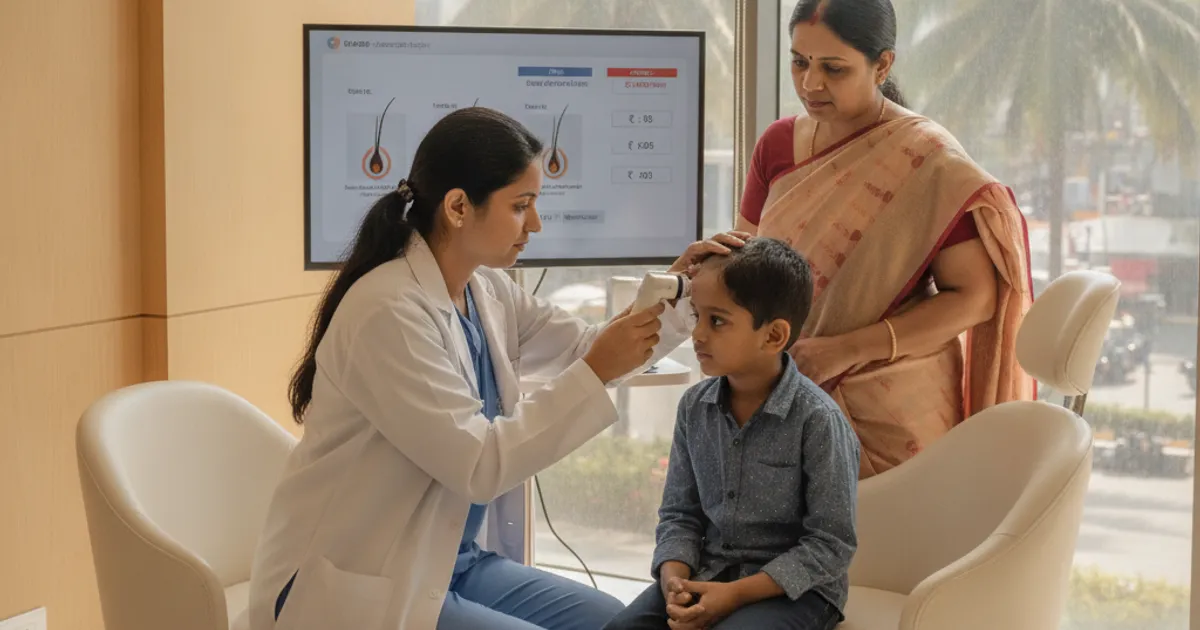
The physical exam often includes a close look at the scalp, sometimes with a handheld magnifier called a dermatoscope. This helps distinguish between conditions like alopecia areata (which may show characteristic 'exclamation point' hairs) and tinea capitis (which may show broken hairs and scaling).
If a fungal infection is suspected, the doctor may take a small scraping of the scalp or pluck a few hairs to send for a fungal culture. For alopecia areata, blood tests are not routinely needed but may be ordered to check for associated conditions like thyroid disease or vitamin D deficiency. In some cases, a scalp biopsy may be recommended, though this is less common in children.
- Prepare for the visit by noting when you first noticed the hair loss and any patterns you've observed.
- Bring a list of all medications and supplements your child takes.
- Be ready to discuss any recent stressful events, illnesses, or changes in hair care routines.
- Ask the doctor to explain what they are looking for during the exam and what tests, if any, are being ordered.
Treatment Options in Detail: What Parents Should Know
Treatment for pediatric alopecia depends on the type and severity. For mild cases of alopecia areata, some doctors may recommend a wait-and-see approach, as spontaneous regrowth can occur. However, if the hair loss is extensive or progressing, active treatment is often considered.
Topical corticosteroids are commonly prescribed to reduce inflammation in alopecia areata. They are usually applied to the affected areas once or twice daily. Parents should be aware that these medications can thin the skin if used for long periods, so close monitoring by a dermatologist is important.
For more severe cases, doctors may use intralesional corticosteroid injections, which are given directly into the bald patches. This procedure can be uncomfortable, so it's typically reserved for older children who can tolerate it. Another option is topical immunotherapy, where a substance is applied to the scalp to trigger an allergic reaction that may stimulate hair growth. This requires careful supervision and is usually done by specialists.
In cases of tinea capitis, oral antifungal medication is necessary because topical treatments do not penetrate the hair follicle effectively. Griseofulvin and terbinafine are commonly used, and treatment typically lasts several weeks. It's important to complete the full course even if hair starts growing back, to prevent recurrence.
For telogen effluvium, treatment focuses on identifying and correcting the underlying trigger, such as a nutritional deficiency or stress. Once the trigger is resolved, hair usually regrows on its own within a few months. No specific medication is needed.
Trichotillomania may require a combination of behavioral therapy and, in some cases, medication. A psychologist or psychiatrist can help your child learn strategies to manage the urge to pull hair. Support from family and school is also crucial.
Traction alopecia is managed by changing hairstyles to avoid tension on the hair roots. Hair usually regrows if the traction is stopped early, but permanent damage can occur if the pulling continues for a long time.
Long-Term Outlook and Monitoring
The long-term outlook for pediatric alopecia varies widely by type. Alopecia areata is unpredictable; some children have a single episode and regrow hair fully, while others experience recurrent episodes or progression to more extensive hair loss. Regular follow-up with a dermatologist helps monitor the condition and adjust treatment as needed.
Tinea capitis usually resolves completely with appropriate antifungal treatment, and hair regrows fully. However, scarring can occur if treatment is delayed, so early intervention is important.
Telogen effluvium typically resolves on its own once the trigger is removed, and hair returns to its normal density. Trichotillomania can be chronic, but with therapy, many children learn to manage the behavior. Traction alopecia is reversible if the hairstyle changes are made early, but permanent hair loss can occur if the traction continues for years.
Parents should keep an eye on their child's emotional well-being throughout the process. Hair loss can affect self-esteem and social interactions, so open communication and support are essential. Some children may benefit from counseling or support groups.
- Schedule regular follow-up visits as recommended by your dermatologist.
- Keep a journal of your child's hair growth or shedding to track progress.
- Be proactive in addressing any signs of bullying or emotional distress.
- Encourage your child to express their feelings and reassure them that hair loss is not their fault.
Is alopecia in children contagious?
Only tinea capitis (fungal infection) is contagious. Other forms like alopecia areata are not contagious.
Can my child outgrow alopecia areata?
Some children experience complete regrowth and may not have further episodes, but others may have recurrent or persistent hair loss. It varies from child to child.
Are there any home remedies that help?
There is limited evidence for home remedies. It's best to consult a doctor before trying any alternative treatments, as some can be harmful.
Should my child wear a hat to cover bald spots?
It's a personal choice. Hats can protect the scalp from sunburn and may help your child feel more confident, but they are not a medical treatment.
Can hair loss in children be prevented?
Not all types can be prevented, but avoiding tight hairstyles, treating scalp infections promptly, and ensuring a balanced diet can reduce the risk of some forms.
More Guides
- How Long After Finasteride Before a Hair Transplant?
Planning a hair transplant while on finasteride? Learn the typical waiting period, why timing matters, and how to coordinate with your surgeon for best results.
- Early Symptoms of Hair Loss: What to Watch For First
Learn the early symptoms of hair loss, how to track them, and when to see a specialist. Plan ahead with treatment options and costs.
- Alopecia Treatment: A Comprehensive Guide
A practical guide to alopecia treatment: types, diagnosis, medications, surgery, recovery timeline, and aftercare. Plan your hair restoration with confidence.
- Hair Loss Causes: What You Can and Can't Control
Understand hair loss causes, what's controllable, and how to plan a transplant. Practical guide to factors, aftercare, and when to see a specialist.