
Hair Loss Causes: What You Can and Can't Control
Understand hair loss causes, what's controllable, and how to plan a transplant. Practical guide to factors, aftercare, and when to see a specialist.
What Really Causes Hair Loss? A Clear, Practical Guide
Hair loss is rarely about one thing. It's usually a mix of genetics, hormones, age, and lifestyle. Understanding the causes helps you figure out what you can influence and what you can't. That matters whether you're just noticing thinning or already planning a hair transplant. This guide breaks down the factors, gives you practical steps, and explains how to protect your investment before and after surgery.
The Two Buckets: What You Can Control vs. What You Can't
Think of hair loss factors as two buckets. One holds things you can't change—your genes, hormones, and age. The other holds things you can influence—your diet, stress levels, hair care habits, and medical treatments. Knowing which bucket a factor falls into helps you focus your energy where it counts.
- Uncontrollable: genetics, hormones, age, certain medical conditions
- Controllable: nutrition, stress, hair styling habits, smoking, scalp health
- Medical: treatments like minoxidil or finasteride can slow loss but aren't cures
- Planning: a hair transplant can restore density, but aftercare is on you
Factors You Can't Control (And Why They Matter)
Some causes are hardwired. Androgenetic alopecia (male or female pattern baldness) is the most common—it's driven by genetics and hormones like DHT. Age also plays a role: hair naturally thins as we get older. Certain medical conditions (thyroid issues, alopecia areata) and treatments (chemotherapy) can cause loss too. You can't change these, but knowing them helps you set realistic expectations and choose the right treatment plan.
- Genetics: family history of pattern baldness
- Hormones: DHT sensitivity in hair follicles
- Age: natural decline in hair density
- Medical conditions: thyroid disorders, autoimmune diseases
- Medications: some drugs list hair loss as a side effect
Factors You Can Control (And How to Act on Them)
The controllable bucket is where you can make a real difference. Poor nutrition (low iron, protein, or vitamins) can worsen thinning. Chronic stress pushes hair into the resting phase, leading to shedding. Harsh styling (tight ponytails, chemical treatments) causes traction or damage. Smoking restricts blood flow to follicles. And scalp health—dandruff, inflammation—affects growth. Addressing these won't reverse genetic loss, but it can slow it and improve overall hair quality.
- Eat a balanced diet rich in protein, iron, and vitamins
- Manage stress with exercise, sleep, and relaxation techniques
- Avoid tight hairstyles and harsh chemical treatments
- Quit smoking to improve circulation
- Treat scalp conditions like dandruff or seborrheic dermatitis
- Use gentle hair care products and avoid over-washing
Planning for a Hair Transplant: What to Do Before and After
If you're considering a hair transplant, planning is key. Before surgery, your surgeon will assess your donor area and discuss realistic outcomes. You'll need to stop smoking, avoid certain medications (like blood thinners), and maybe start medical therapy to stabilize loss. After surgery, following aftercare instructions is critical—it protects your new grafts and helps them thrive.
- Before: consult a specialist, get blood tests, adjust medications
- Before: stop smoking and alcohol at least a week prior (verify with your surgeon)
- Before: arrange time off work for recovery
- After: follow washing and medication protocols exactly
- After: avoid strenuous activity and sun exposure for a few weeks
- After: attend follow-up appointments to monitor healing
Aftercare That Protects Your Investment
A hair transplant is an investment—both financially and emotionally. Aftercare makes or breaks the result. In the first week, gentle washing and sleeping upright prevent graft dislodgement. Over the next month, avoid heavy lifting, swimming, and direct sunlight. Long-term, continue any prescribed medical therapy to maintain native hair and consider regular scalp care. Your surgeon will give specific instructions; follow them closely.
- First 7 days: gentle washing, no scratching, sleep with head elevated (confirm with your clinic)
- First month: no strenuous exercise, saunas, or swimming (confirm with your clinic)
- Use prescribed medications (antibiotics, pain relief) as directed
- Protect scalp from sun with hats or sunscreen after healing
- Maintain a healthy lifestyle to support hair growth
- Schedule follow-ups to track progress
When to See a Specialist (And What to Ask)
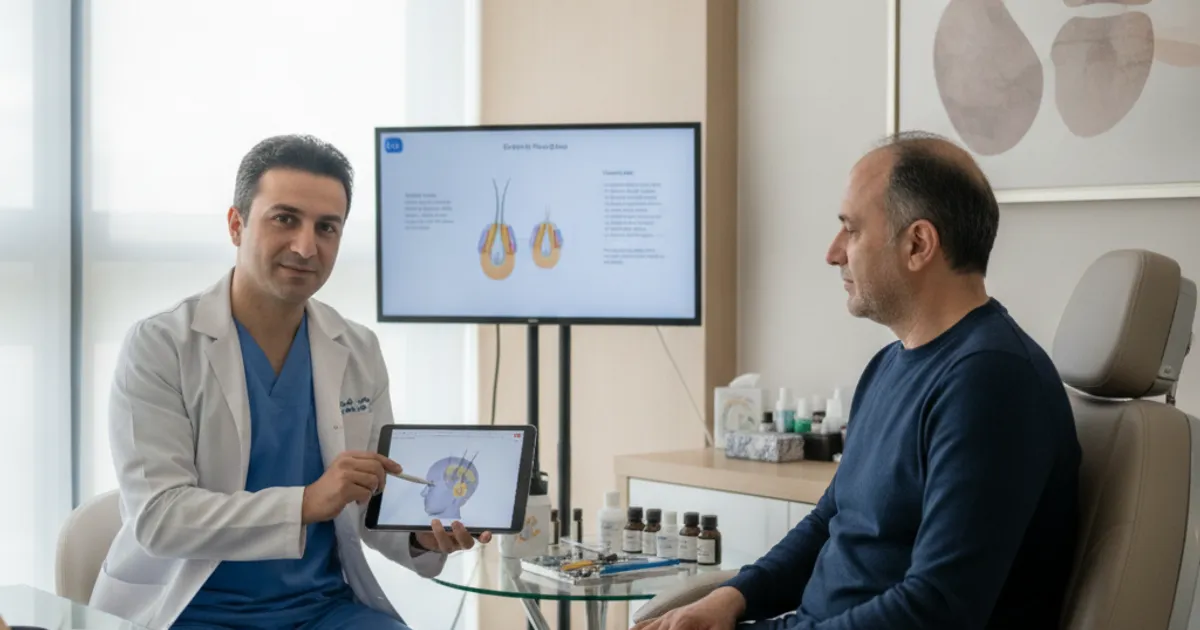
If you're losing hair and it's affecting your confidence, or if you've tried lifestyle changes without success, see a specialist. A dermatologist or hair restoration surgeon can diagnose the cause and discuss options. Come prepared with questions: What's causing my hair loss? What treatments are available? Am I a candidate for a transplant? What are the risks and costs? Don't rush—choose a clinic that's transparent and experienced.
- Ask about the surgeon's experience and success rates
- Request a detailed treatment plan and cost breakdown
- Inquire about aftercare and follow-up support
- Check if they offer financing or payment plans
- Read reviews and ask for before-and-after photos
FAQ: Your Top Questions Answered
Can hair loss be reversed?
It depends on the cause. Genetic hair loss can't be reversed, but treatments like minoxidil and finasteride can slow it. Hair transplants can restore density in bald areas. Lifestyle changes help with controllable factors.
How do I know if I'm a good candidate for a hair transplant?
Good candidates have sufficient donor hair, stable hair loss, and realistic expectations. A specialist will assess your scalp and medical history to determine suitability.
What's the recovery time after a hair transplant?
Recovery varies by individual and procedure. Many people take a few days off work, scabbing typically heals within a week or two, and strenuous activity should be avoided for at least a couple of weeks. Full results usually appear over several months. Your surgeon will give you a personalized timeline.
Can stress cause permanent hair loss?
Stress typically causes temporary shedding (telogen effluvium). Once stress is managed, hair usually regrows. Chronic stress can worsen genetic loss, but it's not the sole cause.
More Guides
- Alopecia Treatment: A Comprehensive Guide
A practical guide to alopecia treatment: types, diagnosis, medications, surgery, recovery timeline, and aftercare. Plan your hair restoration with confidence.
- Male Hair Transplant: What Every Man Should Know
A practical guide to male hair transplant planning and recovery: candidacy, FUE vs FUT, costs by stage, week-by-week aftercare, and clinic vetting tips.
- Hair Transplant and Hair Dye: When Can You Color Again?
When can you dye your hair after a transplant? Get a clear recovery timeline, risks of coloring too soon, and tips for choosing safe dye. Plan your aftercare.
- Hair Transplant for Swimmers: Chlorine and Healing
Planning a hair transplant as a swimmer? Learn when you can swim after surgery, how chlorine affects healing, and aftercare rules to protect grafts.