
Best Hair Fibers for Thinning Hair: A Complete Guide
Learn how hair fibers work, whether they help hair growth, how to use them, costs, side effects, and how they compare to other thinning hair treatments.
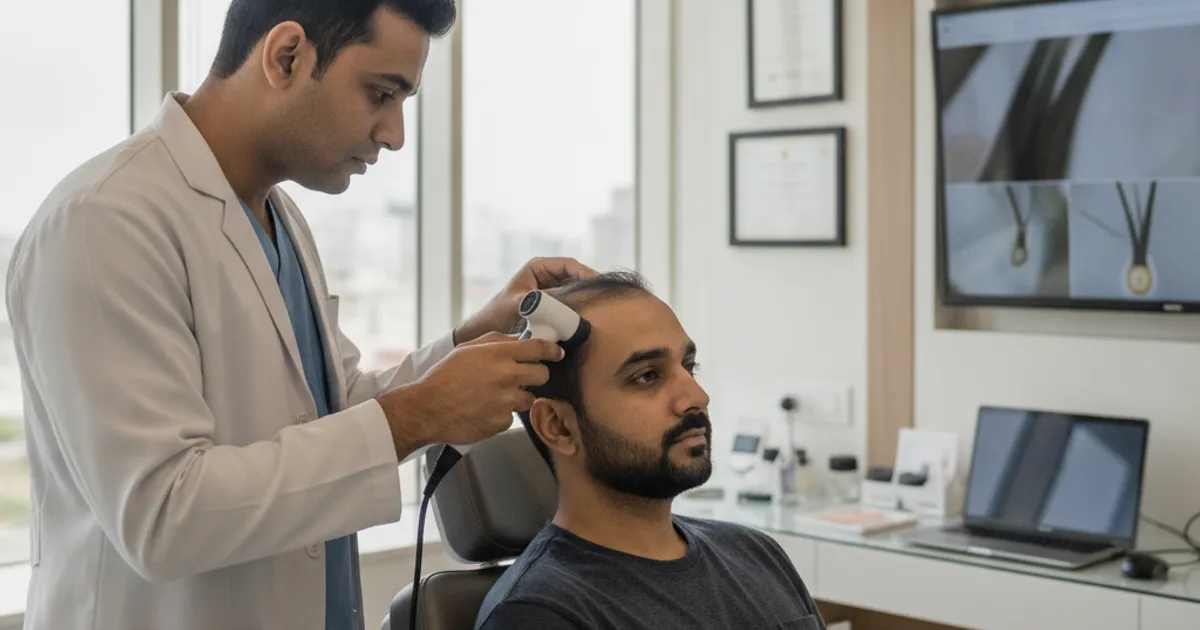
Hair fibers are one of the fastest, cheapest ways to make thinning hair look fuller. They are not a treatment for hair loss itself, but they can be a useful cosmetic tool while you explore other options. This guide covers what they are, how they work, what the evidence says about hair growth, how to apply them, expected results, side effects, cost, and how they compare to treatments like minoxidil, finasteride, and hair transplants.
What Are Hair Fibers and How Do They Work?
Hair fibers are tiny, colored particles that cling to your existing hair strands to make them look thicker and denser. They are made from a few different materials, most commonly keratin (the protein your hair is made of), cotton, or synthetic fibers like rayon. You shake them onto thinning areas, and they stick to your hair via static electricity or a light coating of natural oils. The result is a temporary, cosmetic boost in volume that washes out with shampoo.
- Keratin-based fibers: mimic natural hair protein, tend to blend well and feel soft.
- Cotton-based fibers: lightweight and absorbent, often cheaper but can clump in humidity.
- Synthetic fibers (rayon, nylon): strong static charge, good for fine hair, but may look less natural under bright light.
- Colored variants: come in shades from black to blonde, and some brands offer custom blends.
Do Hair Fibers Actually Help Hair Growth? The Evidence
No. Based on general knowledge, there is no credible evidence that hair fibers stimulate hair growth, reduce shedding, or change the hair cycle. They sit on the surface of your hair and scalp. Some brands add ingredients like biotin or saw palmetto to their fibers, but there is no good research showing these additives do anything when applied topically in this form. If you want to regrow hair or slow loss, you need treatments that act on the follicle, such as minoxidil, finasteride, or a hair transplant. Hair fibers can make you look better in the meantime, but they are not a solution for the underlying problem.
How to Use Hair Fibers: Application, Frequency, and Tips
Using hair fibers is simple, but technique matters. You want them to look natural, not like you dumped powder on your head. Start with dry, styled hair. Any moisture or oil will make the fibers clump. Shake a small amount onto the thinning area, then pat gently with your fingers or a comb to distribute. Build in thin layers rather than one heavy dump. Finish with a light hold hairspray if you want extra staying power. Most people apply them once a day, in the morning, and wash them out at night. You can reapply during the day if needed, but too much will look cakey.
- Start with a small amount — you can always add more.
- Use on dry, clean hair for best adhesion.
- Match the color to your roots, not your ends.
- Avoid heavy styling products before applying; they can make fibers slide.
- For larger thinning areas, use an applicator or pump for more control.
Expected Results and Timeline: What to Expect
Results are immediate. The moment you apply hair fibers, thinning areas look fuller. There is no waiting period like with minoxidil or finasteride. However, the effect is temporary and lasts only until you wash your hair. In terms of how much coverage you get, it depends on how much hair you have left. If you are completely bald in an area, fibers will not do much because they need hair to cling to. They work best for diffuse thinning or early-stage hair loss where there is still some hair to build on.
| Stage of thinning | Expected result with hair fibers | How long it lasts |
|---|---|---|
| Early (mild thinning, mostly at part line) | Good coverage, looks natural, easy to blend | Until next wash (usually 1 day) |
| Moderate (visible scalp, but still decent hair density) | Decent coverage, may need more product and careful blending | Until next wash, may need touch-ups |
| Advanced (large bald patches, very little hair) | Limited coverage; fibers need hair to attach to | Not effective on completely bald spots |
Side Effects and Risks of Hair Fibers
Based on general knowledge, hair fibers are generally safe for most people. They are cosmetic and sit on the surface, so systemic side effects are rare. The main issues are irritation, clogged pores, and mess. Some people find that fibers dry out their scalp or cause itching, especially if they use them daily without washing properly. If you have sensitive skin or a scalp condition like eczema or psoriasis, talk to a dermatologist before using them. Also, inhaling the fine particles is not great for your lungs, so avoid shaking them near your face.
- Scalp irritation or itching, especially with frequent use.
- Clogged hair follicles if fibers are not washed out regularly.
- Allergic reaction to keratin or dyes (rare but possible).
- Messy application — fibers can get on clothes, pillows, and bathroom surfaces.
- Not safe for use on broken or inflamed skin.
Who Are Hair Fibers Suitable For?
Hair fibers are best for people with mild to moderate thinning who want a quick cosmetic fix. They are not a good fit for advanced baldness, active scalp infections, or anyone looking for a permanent solution. They can be a great confidence boost for social events, work, or photos. If you are also using medical treatments like minoxidil or finasteride, fibers can complement them while you wait for those to work. But if you are completely bald in an area, fibers will not help.
- People with diffuse thinning or early-stage hair loss.
- Anyone who wants an instant cosmetic improvement.
- Those who are not ready for or interested in medical treatments.
- People who need a temporary fix for a specific event.
- Not suitable for completely bald areas or active scalp conditions.
Cost of Hair Fibers: What Affects the Price?
Hair fibers are inexpensive compared to medical treatments or surgery. Based on general market knowledge, a small container can cost anywhere from $10 to $40, depending on the brand, size, and ingredients. Keratin-based fibers tend to be more expensive than cotton or synthetic ones. You also pay for convenience — applicators, travel sizes, and color-matching kits add to the cost. How long a container lasts depends on how much you use and how often. Most people go through a container every 1–2 months if they use it daily.
| Product size | Typical price range (USD) | How long it lasts (daily use) |
|---|---|---|
| Small (10–15g) | $10–$20 | 2–4 weeks |
| Medium (25–30g) | $20–$30 | 1–2 months |
| Large (50g+) | $30–$50 | 2–4 months |
Hair Fibers vs. Other Thinning Hair Treatments
Hair fibers are just one option. Here is how they stack up against other common treatments for thinning hair.
| Treatment | How it works | Results | Cost (USD) | Best for |
|---|---|---|---|---|
| Hair fibers | Cosmetic particles cling to hair | Instant, temporary | $10–$50 per container | Mild to moderate thinning, quick fix |
| Minoxidil (topical) | Vasodilator, improves blood flow to follicle | Slows loss, some regrowth in 3–6 months | $15–$30 per month | Early to moderate thinning, ongoing use |
| Finasteride (oral) | DHT blocker | Slows loss, regrowth in 6–12 months | $20–$50 per month | Male pattern baldness, prescription needed |
| Low-level laser therapy | Light energy stimulates follicles | Mixed evidence, possible improvement in 3–6 months | $200–$500 for device | Mild to moderate thinning, adjunct |
| Hair transplant | Surgical relocation of follicles | Permanent, results in 6–12 months | $4,000–$15,000+ | Moderate to advanced hair loss, stable donor area |
If you are considering a more permanent solution, a hair transplant may be worth exploring. You can browse clinics and compare options on our directory. For a deeper look at how transplants compare to other treatments, see our guide on hair transplant alternatives.
Choosing the Right Hair Fibers for You
There is no single best brand for everyone. The right choice depends on your hair color, hair texture, and how much coverage you need. Start with a small container to test the color and feel. If you have sensitive skin, look for fragrance-free and dye-free options. If you sweat a lot or live in a humid climate, choose a brand with stronger hold or plan to reapply. Read reviews, but remember that what works for one person may not work for you. It is often worth trying two or three brands before settling on one.
- Match color to your roots, not your ends.
- Test on a small area first to check for irritation.
- Consider keratin-based fibers for a more natural look.
- If you have dark hair, black or dark brown fibers work best; for blonde or gray, look for lighter shades.
- Check for added ingredients if you have allergies.
Frequently Asked Questions About Hair Fibers
Do hair fibers clog pores or cause hair loss?
If you wash them out regularly, they should not clog pores or cause hair loss. But if you leave them on for days and do not shampoo, they can build up and irritate the scalp. Always wash your hair at night before bed.
Can I use hair fibers with minoxidil or other treatments?
Yes, but apply minoxidil first and let it dry completely before adding fibers. Otherwise, the fibers can clump and the minoxidil may not absorb properly. Some people use fibers during the day and minoxidil at night.
How long do hair fibers last on the hair?
They last until you wash your hair, usually about a day. Sweat, rain, and wind can reduce wear time. A light hairspray can help them stay in place longer.
Are hair fibers safe for sensitive skin?
Most people tolerate them well, but if you have sensitive skin or a scalp condition, choose fragrance-free and dye-free options. Do a patch test on a small area first. If you notice redness or itching, stop using them.
Hair fibers are a practical, low-cost way to make thinning hair look fuller while you decide on a longer-term plan. They will not regrow hair, but they can buy you time and confidence. If you are ready to explore medical or surgical options, start by comparing clinics and treatments on Clinic Reccy.
More Guides
- Finasteride for Baldness: What It Can and Can't Do
Finasteride is a proven hair loss treatment, but it's not a cure. Learn how it works, dosage, side effects, and how it compares to other options.
- DHT-Blocking Shampoos: What Works and What's Marketing?
Do DHT-blocking shampoos really grow hair? We break down the science, evidence, usage, side effects, costs, and how they compare to other treatments.
- Clascoterone for Hair Loss: What the Research Shows
Clascoterone is a topical anti-androgen being studied for hair loss. Learn how it works, the evidence, how to use it, side effects, cost, and how it compares.
- Hims Minoxidil Spray: Ingredients, Results, and Cost
Hims Minoxidil Spray review: ingredients, how it works, results timeline, side effects, cost, and how it compares to other hair loss treatments.