
Diabetes and Hair Loss: The Blood Sugar Connection
High blood sugar can trigger hair shedding. Learn how diabetes-related hair loss is diagnosed, treated, and whether a transplant is safe.
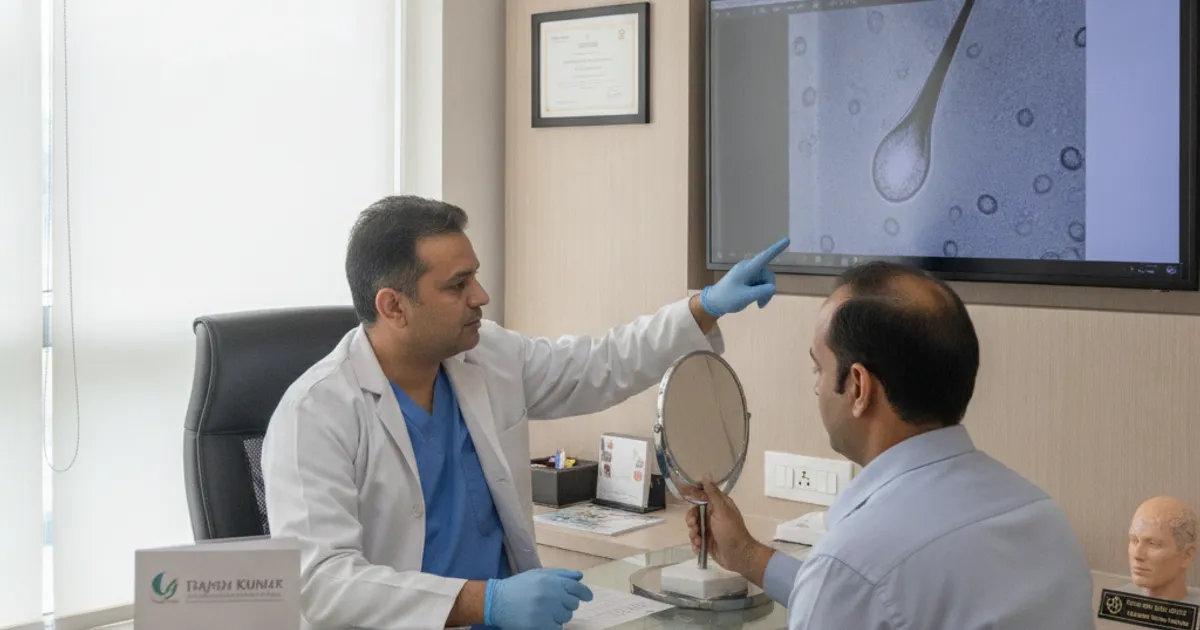
What Is Diabetes-Related Hair Loss?
Diabetes-related hair loss is exactly what it sounds like: thinning or shedding that happens because your blood sugar isn’t well controlled. It’s not a separate disease with its own name — it’s a downstream effect of chronically high glucose on the hair follicle. People with both type 1 and type 2 diabetes can experience it, and it often shows up gradually rather than as a sudden bald patch. The tricky part is that it overlaps with common male and female pattern hair loss, so many people assume it’s just genetics and miss the blood sugar angle entirely.
How Blood Sugar Imbalances Affect Hair Follicles
Hair grows in cycles: anagen (growth), catagen (transition), and telogen (rest and shed). High blood sugar disrupts this cycle in several ways. It damages small blood vessels, including the capillaries that feed the hair follicle, so the follicle gets less oxygen and nutrients. It also raises inflammation and oxidative stress, which can push more hairs into the resting phase prematurely. Over time, the follicle itself can shrink, producing thinner strands before growth stops altogether.
- Reduced blood flow to the scalp due to microvascular damage
- Chronic inflammation that disrupts the normal hair growth cycle
- Hormonal shifts (including insulin resistance) that can worsen androgenetic alopecia
- Increased susceptibility to scalp infections like fungal overgrowth
- Nutritional deficiencies common in diabetes (iron, vitamin D, B12) that weaken hair
Common Causes and Risk Factors
The main driver is prolonged high blood glucose, but several related factors make some people more vulnerable than others. Poor glycemic control over months or years is the biggest one. Insulin resistance — common in type 2 diabetes — can raise androgen levels, which accelerates pattern hair loss. Autoimmune activity in type 1 diabetes may also play a role, since conditions like alopecia areata are more common in people with autoimmune diabetes. And some diabetes medications can cause shedding as a side effect, though this is less common.
- Poor long-term blood sugar control (high HbA1c)
- Insulin resistance and associated hormonal changes
- Autoimmune conditions (especially in type 1 diabetes)
- Poor circulation and peripheral vascular disease
- Nutritional deficiencies from restrictive diets or malabsorption
- Stress and sleep disruption, which are common alongside diabetes
| Risk Factor | How It Affects Hair | Modifiable? |
|---|---|---|
| High HbA1c | Reduces follicle nutrition and prolongs shedding | Yes — via medication, diet, exercise |
| Insulin resistance | Raises androgen activity, worsening pattern loss | Yes — lifestyle and meds |
| Peripheral neuropathy | May reduce scalp sensation and blood flow | Partially |
| Vitamin D deficiency | Linked to diffuse thinning | Yes — supplementation |
| Smoking | Compounds vascular damage | Yes |
Symptoms and Signs to Watch For
Diabetes-related hair loss usually develops slowly. You might notice more hair in the shower drain or on your pillow, a wider part line, or an overall thinner ponytail. Unlike classic male pattern baldness, it tends to be diffuse. It can also affect body hair and eyebrows in some cases. Because it’s gradual, many people attribute it to aging until the thinning becomes obvious.
- Increased shedding (noticeably more than usual)
- Diffuse thinning across the scalp rather than a receding hairline
- Widening part line in women
- Slower hair growth and thinner individual strands
- Scalp itching or flaking (sometimes linked to fungal overgrowth)
- Hair loss that coincides with periods of poor glucose control
How Diabetes-Related Hair Loss Is Diagnosed
There’s no single test for diabetes-related hair loss. Diagnosis is a process of elimination and correlation. A dermatologist or trichologist will take a history, examine your scalp, and may use a dermatoscope to look at follicle health. Blood tests are key: HbA1c, fasting glucose, ferritin, vitamin D, thyroid function, and sometimes androgen levels. If your blood sugar is poorly controlled and you have diffuse thinning without another obvious cause, diabetes-related hair loss becomes the leading suspect.
Treatment Options for Hair Loss with Diabetes
The first and most important step is getting blood sugar under control. No hair treatment will work well if glucose remains high. Beyond that, standard hair loss treatments can help, but they need to be chosen with diabetes in mind. Minoxidil topical is generally safe. Finasteride can be used in men but requires monitoring. PRP (platelet-rich plasma) injections are sometimes used to stimulate follicles, though evidence in diabetics is limited. Low-level laser therapy is another option. Always coordinate with your diabetes care team before starting anything new.
- Glycemic control: the foundation — target HbA1c as advised by your doctor
- Topical minoxidil: helps stimulate growth, generally safe for diabetics
- Oral finasteride: for men with pattern loss; discuss risks with your doctor
- PRP therapy: may improve follicle health; evidence in diabetics is still emerging
- Low-level laser therapy: non-invasive option with modest evidence
- Nutritional correction: iron, vitamin D, B12 if deficient
- Gentle scalp care: avoid harsh treatments that can irritate skin
| Treatment | Suitable for Diabetics? | Notes |
|---|---|---|
| Minoxidil (topical) | Yes | Generally safe; monitor for scalp irritation |
| Finasteride (oral) | Yes, with caution | Men only; discuss side effects with doctor |
| PRP injections | Yes, with caution | Limited evidence in diabetics; ensure sterile technique |
| Low-level laser therapy | Yes | Non-invasive; modest results |
| Hair transplant | Yes, if controlled | Requires good glycemic control and vascular health |
Is a Hair Transplant Suitable for Diabetics?
Yes, but with conditions. A hair transplant is surgery, and diabetes affects wound healing and infection risk. If your blood sugar is well controlled (your doctor will advise on a safe HbA1c target) and you don’t have significant peripheral vascular disease, a transplant can be safe and effective. The key is preoperative clearance from your diabetes team and a surgeon experienced with diabetic patients. Poorly controlled diabetes raises the risk of graft failure, infection, and delayed healing — so most surgeons will postpone the procedure until glucose is stable.
- Get clearance from your diabetes doctor before scheduling surgery
- Aim for stable blood sugar for a sustained period before surgery, as advised by your doctor
- Choose a surgeon who routinely works with diabetic patients
- Discuss infection control and post-op wound care in advance
- Be prepared for a slightly longer healing timeline
Frequently Asked Questions
Can diabetes cause hair loss even if my blood sugar is only slightly high?
Yes. Even mildly elevated blood sugar over time can affect circulation and inflammation, which may contribute to thinning. It’s not always about being severely diabetic — chronic mild elevation matters too.
Will my hair grow back if I control my blood sugar?
Often, yes — at least partially. If the hair loss is primarily due to poor glycemic control and not advanced pattern baldness, improving blood sugar can help regrow hair over several months. But if follicles have miniaturized significantly, regrowth may be limited.
Is minoxidil safe for diabetics?
Topical minoxidil is generally considered safe for people with diabetes. It’s absorbed minimally into the bloodstream. Still, mention it to your doctor, especially if you have other health conditions.
Can I have a hair transplant if I have diabetes?
Yes, if your diabetes is well controlled and you have no significant vascular complications. You’ll need clearance from your diabetes care team and a surgeon experienced with diabetic patients.
Does finasteride interact with diabetes medications?
Finasteride doesn’t have major known interactions with common diabetes medications, but it can affect PSA readings and has potential sexual side effects. Always discuss with your prescribing doctor.
How long does it take to see improvement after controlling blood sugar?
Hair grows slowly. Many people notice reduced shedding within a few months of stable glucose control, but meaningful regrowth can take much longer — often up to a year. Consistency in glucose control is key.
How to Tell Diabetes-Related Hair Loss from Other Types
Because diabetes-related hair loss is diffuse, it can easily be mistaken for other common causes. Here’s how it typically differs from the most frequent look-alikes.
- Androgenetic alopecia (pattern baldness): Usually follows a predictable pattern—receding hairline and crown thinning in men, widening part and diffuse thinning over the top in women. Diabetes-related shedding is more uniform across the scalp.
- Telogen effluvium: A temporary, stress-induced shedding that often follows illness, surgery, or severe stress. It usually resolves within months. Diabetes-related loss tends to persist or recur if blood sugar remains high.
- Alopecia areata: Causes distinct, smooth bald patches. More common in people with type 1 diabetes, but the patchy pattern is different from diffuse thinning.
- Thyroid-related hair loss: Also diffuse, but accompanied by other thyroid symptoms like weight changes, fatigue, or temperature sensitivity. Blood tests can distinguish it.
If you have diabetes and notice diffuse thinning, it’s worth asking your doctor to check your HbA1c and thyroid function. A dermatologist can use a dermatoscope to look for signs of miniaturization (pattern loss) versus uniform shedding.
What to Expect During Recovery from a Hair Transplant with Diabetes
If you are cleared for surgery, the recovery process is similar to that of non-diabetic patients, but with a few extra considerations. Your surgeon will likely give you specific instructions, but here’s a general outline.
- First 48 hours: Expect some swelling and tenderness in the donor and recipient areas. Your surgeon may prescribe antibiotics as a precaution. Keep your blood sugar stable—stress and poor sleep can raise glucose.
- First week: Scabs form and then flake off. Avoid strenuous activity and follow your surgeon’s scalp care instructions. Monitor for any signs of infection (increased redness, warmth, pus, fever) and report them promptly.
- Weeks 2–4: Transplanted hairs often shed (shock loss) before new growth begins. This is normal but can be alarming. Your blood sugar control during this period supports follicle recovery.
- Months 3–6: New hair starts to grow. Results are gradual; patience is key. Keep all follow-up appointments so your surgeon can assess healing.
- Months 6–12: Final results become apparent. Some patients may need a second session for density, but only after full healing and stable glucose control.
Frequently Asked Questions
Can improving my blood sugar reverse hair loss?
In many cases, yes—at least partially. Hair follicles that are still alive but suppressed by high glucose can recover once blood sugar is consistently controlled. However, if the follicle has shrunk significantly or if you also have pattern baldness, you may need additional treatments. Improvement is gradual and may take several months.
Are diabetes medications causing my hair loss?
Some medications can cause shedding as a side effect, but this is less common than hair loss from poor glucose control itself. Never stop or change medication without talking to your doctor. If you suspect a medication link, discuss alternatives with your diabetes team.
Is it safe to use minoxidil if I have diabetes?
Topical minoxidil is generally considered safe for people with diabetes, as systemic absorption is minimal. However, it can cause scalp irritation, and if you have poor circulation or skin integrity issues, talk to your doctor first. Oral minoxidil requires closer monitoring because it can affect blood pressure.
How long should I wait after a diabetes diagnosis before considering a hair transplant?
There’s no fixed timeline. The key is demonstrating stable blood sugar control over a period of months, as advised by your doctor. Most surgeons will want to see a stable HbA1c and no active complications like foot ulcers. Focus on glycemic control first; hair restoration can follow when you’re ready.
Does type 1 or type 2 diabetes affect hair loss differently?
The mechanism is similar—chronic high blood sugar damages follicles and circulation. Type 1 may carry a higher risk of autoimmune hair loss (alopecia areata), while type 2 is more often linked to insulin resistance and pattern baldness. Both require good glycemic control to minimize hair loss.
More Guides
- Hair Loss After Weight Loss Surgery: Timeline & Fixes
Hair loss after weight loss surgery is common. Learn the timeline, causes, treatments like minoxidil and PRP, and whether a hair transplant is right for you.
- Stress-Related Hair Loss: Recovery Time and Treatment
How long does stress-induced hair loss take to recover? Learn about telogen effluvium, diagnosis, treatments, and when a transplant may help.
- Female Hair Loss at the Back of the Head: Causes & Fixes
Learn why women lose hair at the back of the head, how it's diagnosed, and the best treatment options including minoxidil, PRP, and hair transplant suitability.
- Wellbutrin and Hair Loss: What You Need to Know
Learn how Wellbutrin may cause hair loss, how it's diagnosed, and what treatments—including hair transplant—can help you regrow hair.