
Alopecia Barbae: Facial Hair Loss Causes & Treatments
Alopecia barbae causes patchy facial hair loss. Learn symptoms, diagnosis, and treatments including minoxidil, PRP, and whether a hair transplant can help.
What Is Facial Hair Loss (Alopecia Barbae)?
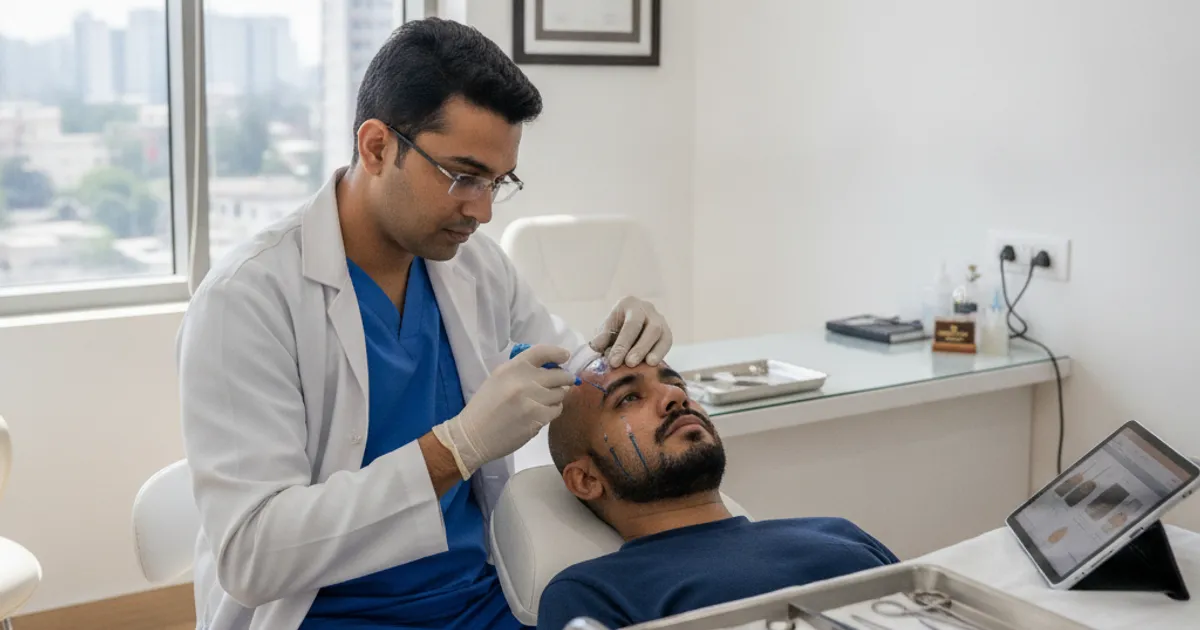
Alopecia barbae is a condition that causes sudden, patchy hair loss in the beard area. It is a form of alopecia areata, an autoimmune condition where the body's immune system mistakenly attacks its own hair follicles. While alopecia areata typically affects the scalp, alopecia barbae specifically targets the facial hair, resulting in smooth, round bald patches on the cheeks, chin, jawline, or neck. The condition can affect anyone who grows facial hair, though it is most common in men between the ages of 20 and 40. It is not contagious, and it is not caused by poor hygiene or a bad diet. For many men, the patches appear without warning and can be emotionally distressing, especially if the beard is a significant part of their appearance. The good news is that alopecia barbae is often treatable, and in some cases, the hair regrows on its own within a year.
Causes of Alopecia Barbae
The exact cause of alopecia barbae is not fully understood, but it is widely accepted to be an autoimmune response. The immune system, for reasons that are not entirely clear, identifies the hair follicles in the beard area as foreign and attacks them. This attack causes inflammation around the follicle, which interrupts the hair growth cycle and leads to shedding. Genetics play a significant role; if you have a family history of alopecia areata, autoimmune thyroid disease, vitiligo, or other autoimmune conditions, your risk is higher. Stress is often cited as a trigger, though the evidence is mostly anecdotal. Some men notice patches appearing after a period of intense emotional or physical stress. Other potential triggers include hormonal changes, skin trauma, or infections. It is important to note that alopecia barbae is not caused by shaving, wearing tight hats, or using certain grooming products. It is an internal immune response, not an external irritation.
- Autoimmune reaction: The immune system attacks hair follicles in the beard area.
- Genetics: Family history of alopecia areata or other autoimmune diseases increases risk.
- Stress: Physical or emotional stress may trigger or worsen the condition.
- Hormonal changes: Fluctuations in hormones can play a role, though this is less common.
- Skin trauma: Injury or irritation to the beard area may sometimes precede patches.
- Other autoimmune conditions: Thyroid disease, vitiligo, and lupus are sometimes linked.
Symptoms and Diagnosis
The primary symptom of alopecia barbae is one or more round or oval patches of hair loss in the beard area. These patches are usually smooth, without scaling, redness, or broken hairs. Some men may experience itching or a tingling sensation in the affected area before the hair falls out. The patches can remain the same size for months or expand and merge. In some cases, the hair loss is limited to a small area; in others, it can affect the entire beard. Diagnosis is typically made through a physical examination by a dermatologist. The doctor will look at the pattern of hair loss and may use a dermatoscope to examine the skin and hair follicles up close. In some cases, a skin biopsy or blood tests may be ordered to rule out other conditions such as fungal infections, thyroid disorders, or nutritional deficiencies. It is important to get a proper diagnosis because other types of hair loss, like traction alopecia or tinea barbae, require different treatments.
- Patchy hair loss: Round or oval bald spots on the cheeks, chin, or neck.
- Smooth skin: The affected area looks normal, without redness or scaling.
- Itching or tingling: Some men feel a sensation before hair falls out.
- Rapid onset: Patches can appear suddenly, often over a few days.
- Nail changes: In some cases, tiny pits or ridges appear on the fingernails.
- Recurrence: The condition can come and go, with periods of remission and flare-ups.
| Condition | Key Features | How It Differs from Alopecia Barbae |
|---|---|---|
| Alopecia barbae | Smooth, round patches; no scaling; autoimmune | — |
| Tinea barbae | Red, scaly, inflamed patches; fungal infection | Caused by fungus, not autoimmune; requires antifungal treatment |
| Traction alopecia | Hair loss along the hairline or where hair is pulled tight | Caused by physical tension, not immune attack |
| Telogen effluvium | Diffuse thinning all over, not patchy | Triggered by stress, illness, or medication; usually temporary |
| Folliculitis | Red bumps or pustules around hair follicles | Infection or irritation, not autoimmune |
Treatment Options for Alopecia Barbae
Treatment for alopecia barbae depends on the extent of the hair loss and how long it has been present. For mild cases, a doctor may recommend a wait-and-see approach, as hair often regrows on its own within 6 to 12 months. If treatment is needed, the most common options include topical corticosteroids, which reduce inflammation around the hair follicles. These are applied directly to the affected areas. Intralesional corticosteroid injections are also used, where a steroid is injected into the patches every few weeks. Minoxidil, a topical solution often used for scalp hair loss, can be applied to the beard area to stimulate hair growth, though it is not FDA-approved for this specific use. Platelet-rich plasma (PRP) therapy is another option; it involves drawing a small amount of blood, processing it to concentrate the platelets, and injecting it into the affected areas to promote healing and hair growth. For more severe or persistent cases, oral medications like finasteride or immunosuppressants may be prescribed, but these come with potential side effects and are not suitable for everyone. It is important to work with a dermatologist to find the right treatment plan.
- Topical corticosteroids: Creams or ointments applied to the patches to reduce inflammation.
- Intralesional corticosteroid injections: Steroid injections into the affected areas, usually every 4–6 weeks.
- Minoxidil: A topical solution that can stimulate hair growth; often used off-label for beard hair.
- PRP therapy: Injections of concentrated platelets to promote hair regrowth.
- Oral finasteride: Sometimes prescribed for men, but not specifically approved for alopecia barbae.
- Immunosuppressants: For severe cases, drugs like methotrexate may be used under close supervision.
- Phototherapy: Ultraviolet light treatment may be used in some cases, but evidence is limited.
| Treatment | How It Works | Typical Duration | Notes |
|---|---|---|---|
| Topical corticosteroids | Reduces inflammation around hair follicles | Several weeks to months | Mild cases; may cause skin thinning with prolonged use |
| Corticosteroid injections | Directly targets inflamed follicles | Every 4–6 weeks | Often effective; can be uncomfortable |
| Minoxidil | Stimulates hair growth; prolongs growth phase | Daily use; results in 3–6 months | Off-label for beard; may cause irritation |
| PRP therapy | Growth factors from platelets promote healing | 3–6 sessions, then maintenance | Emerging treatment; results vary |
| Finasteride | Blocks DHT; may help in some cases | Daily oral; results in 6–12 months | Not FDA-approved for alopecia barbae; side effects possible |
| Immunosuppressants | Suppress immune attack on follicles | Varies; requires monitoring | For severe, widespread cases; significant side effects |
Is a Hair Transplant Suitable for Alopecia Barbae?
A hair transplant is generally not the first line of treatment for alopecia barbae. Because the condition is autoimmune and can be unpredictable, transplanting hair into an area that is still actively inflamed or may become inflamed again is risky. The transplanted follicles could also be attacked by the immune system, leading to poor survival. However, a hair transplant may be considered in specific situations. If the alopecia barbae has been stable for at least 12 months and there are no signs of active inflammation, a transplant could help restore beard density. It is also an option for men who have permanent scarring from the condition, as the follicles are gone and cannot regrow. In these cases, a beard transplant using follicles from the scalp or other donor areas can fill in the patches. It is crucial to have a thorough evaluation by a dermatologist and a hair transplant surgeon before considering surgery. They will assess whether the condition is truly inactive and whether you are a good candidate. In many cases, medical treatment is tried first, and surgery is only considered if other options have failed.
What to Expect from Treatment: Costs and Considerations
The cost of treating alopecia barbae varies widely depending on the treatment method and the clinic you choose. Medical treatments like topical corticosteroids or minoxidil are relatively inexpensive. PRP therapy is more expensive. A beard hair transplant is a surgical procedure and is significantly more costly. The price depends on the number of grafts needed, the clinic's location, and the surgeon's experience. It is important to remember that hair transplants for alopecia barbae are often considered cosmetic, so insurance may not cover them. Medical treatments for the underlying autoimmune condition may be partially covered if deemed medically necessary. Always consult with a dermatologist and a transplant surgeon to get an accurate estimate and to discuss whether the procedure is right for you.
Choosing a Clinic for Facial Hair Restoration
If you decide to pursue a hair transplant for alopecia barbae, choosing the right clinic is critical. Not all hair transplant clinics are experienced in beard restoration, and the procedure requires a different skill set than scalp transplants. You want a surgeon who understands the nuances of facial hair growth angles, density, and the aesthetic of a natural-looking beard. Look for a clinic that specializes in facial hair transplants and has a portfolio of before-and-after photos. Read reviews and ask for references. During your consultation, ask about the surgeon's experience with alopecia barbae specifically. A good clinic will also be honest about whether you are a suitable candidate and will not pressure you into surgery if your condition is still active. They should also offer a range of treatment options, not just surgery. When comparing clinics, consider the total cost, including follow-up visits and any medications. It is also worth checking whether the clinic offers financing options or package deals. Always prioritize safety and quality over the lowest price.
- Specialization: Look for clinics with specific experience in beard and facial hair transplants.
- Portfolio: Review before-and-after photos of beard transplant patients.
- Consultation: Ask about the surgeon's experience with alopecia barbae and whether they recommend surgery.
- Honesty: A good clinic will advise against surgery if your condition is active.
- Comprehensive care: Choose a clinic that offers medical treatments as well as surgery.
- Cost transparency: Get a detailed quote that includes all fees and follow-up care.
- Reviews: Read patient reviews and ask for references.
Frequently Asked Questions
Can alopecia barbae go away on its own?
Yes, in many cases, hair regrows spontaneously within 6 to 12 months without any treatment. However, some men experience recurring patches or chronic hair loss.
Is alopecia barbae contagious?
No, it is an autoimmune condition and cannot be spread to others.
Does shaving make alopecia barbae worse?
No, shaving does not cause or worsen alopecia barbae. It is an internal immune response, not a result of shaving.
Can a hair transplant cure alopecia barbae?
A hair transplant does not cure the underlying autoimmune condition. It can restore hair in areas that are permanently bald, but only if the condition is stable and inactive.
What is the best treatment for alopecia barbae?
The best treatment depends on the severity and duration. Corticosteroid injections are often effective. Minoxidil and PRP are also options. A dermatologist can recommend the most suitable approach.
Is alopecia barbae linked to other health conditions?
It can be associated with other autoimmune conditions such as thyroid disease, vitiligo, and lupus. Your doctor may recommend blood tests to check for these.
How much does a beard transplant cost?
Costs vary widely depending on the number of grafts and the clinic. Medical treatments are generally much cheaper. Consult with a surgeon for an accurate estimate.
More Guides
- Hair Loss After Weight Loss Surgery: Timeline & Fixes
Hair loss after weight loss surgery is common. Learn the timeline, causes, treatments like minoxidil and PRP, and whether a hair transplant is right for you.
- Stress-Related Hair Loss: Recovery Time and Treatment
How long does stress-induced hair loss take to recover? Learn about telogen effluvium, diagnosis, treatments, and when a transplant may help.
- Female Hair Loss at the Back of the Head: Causes & Fixes
Learn why women lose hair at the back of the head, how it's diagnosed, and the best treatment options including minoxidil, PRP, and hair transplant suitability.
- Wellbutrin and Hair Loss: What You Need to Know
Learn how Wellbutrin may cause hair loss, how it's diagnosed, and what treatments—including hair transplant—can help you regrow hair.