
Ferritin Levels and Hair Loss: What Number Matters?
Ferritin levels and hair loss: what number matters? Learn the ideal ferritin range for hair growth, how to test correctly, and a practical recovery plan.
Ferritin and Hair Loss: The Direct Answer
If you're losing hair and wondering whether ferritin is to blame, here's the short version: ferritin is your body's iron storage protein, and low ferritin is one of the most common—and most fixable—causes of diffuse hair shedding, especially in women. But the number that matters isn't the same for everyone. For hair growth, many experts suggest aiming for a ferritin level of at least 40–70 ng/mL, even though the lab's "normal" range often starts much lower. That gap between "normal" and "optimal for hair" is where a lot of confusion lives. This guide walks you through what ferritin does, what research says about target levels, how to test properly, and what to do next if your ferritin is low.
What Is Ferritin and Why Does It Matter for Your Hair?
Ferritin is a protein that stores iron inside your cells. When your body needs iron—for making red blood cells, carrying oxygen, or supporting rapidly dividing cells—it pulls from ferritin stores. Hair follicles are among the most metabolically active tissues in your body, and they need a steady supply of iron to grow. When ferritin runs low, your body prioritizes vital organs and your hair gets pushed into the resting phase (telogen) earlier than it should. The result is telogen effluvium—diffuse shedding that often shows up a few months after the deficiency starts.
- Ferritin reflects long-term iron stores, not just what you ate yesterday.
- Low ferritin can cause shedding even when hemoglobin is still normal.
- Hair follicles are sensitive to iron status because they divide rapidly.
- Ferritin is also an acute-phase reactant—it can rise with inflammation, so context matters.
The Ferritin Number That Matters: What Research Suggests
Lab reference ranges for ferritin are broad—often something like 15–150 ng/mL for women and 30–400 ng/mL for men. But those ranges are designed to catch iron deficiency anemia, not to optimize hair growth. Studies on hair loss and iron status have repeatedly found that women with telogen effluvium or androgenetic alopecia tend to have lower ferritin than controls, and many dermatologists use a threshold of 40 ng/mL as the point below which hair recovery may stall. Some clinicians aim higher—50–70 ng/mL—for patients actively trying to regrow hair. There's no single magic number, but the consensus is clear: if your ferritin is under 40, it's worth addressing.
Ferritin vs. Hemoglobin: Understanding the Difference
People often confuse ferritin with hemoglobin. Hemoglobin is the oxygen-carrying protein inside red blood cells; it drops only after iron stores have been depleted for a while. Ferritin, on the other hand, falls earlier. That means you can have a normal hemoglobin and still be iron-deficient at the tissue level—a condition sometimes called iron deficiency without anemia. For hair, ferritin is the more sensitive early warning signal.
| Marker | What It Measures | Typical Lab Range | What It Means for Hair |
|---|---|---|---|
| Ferritin | Iron stored in tissues | 15–150 ng/mL (women), 30–400 ng/mL (men) | Low ferritin (<40 ng/mL) is linked to shedding; aim higher for regrowth |
| Hemoglobin | Oxygen-carrying capacity of red blood cells | 12–16 g/dL (women), 13.5–17.5 g/dL (men) | Drops later; normal hemoglobin doesn't rule out low iron stores |
| Serum Iron | Iron circulating in blood | 50–170 mcg/dL | Fluctuates daily; less useful alone for hair assessment |
| TIBC / Transferrin Saturation | Iron-binding capacity and saturation | TIBC 250–450 mcg/dL; saturation 15–45% | Helps confirm iron deficiency when ferritin is borderline |
How to Test Your Ferritin Levels Correctly
A ferritin test is a simple blood draw, but timing and context matter. Ferritin can rise temporarily with inflammation, infection, or recent iron supplements, so test before starting treatment and when you're not sick. Here's a practical checklist to get a reliable reading.
- Test before starting iron supplements—recent intake can skew results.
- Avoid testing during or right after an infection or inflammatory flare.
- Get tested in the morning if possible; ferritin can fluctuate during the day.
- Ask your doctor to also check hemoglobin, serum iron, and TIBC for a fuller picture.
- If you have an inflammatory condition, discuss whether a higher ferritin target is appropriate for you.
Planning Your Recovery: What to Do If Ferritin Is Low
If your ferritin comes back low, the good news is that iron deficiency is treatable. The plan usually combines dietary changes, iron supplementation (only under medical guidance), and addressing the root cause—heavy periods, gut absorption issues, or low intake. Hair recovery takes time: follicles cycle slowly, so expect 3–6 months before you see meaningful regrowth. Don't stop treatment early just because shedding slows.
- Eat iron-rich foods (red meat, lentils, spinach, fortified cereals) with vitamin C to boost absorption.
- Avoid tea, coffee, and calcium supplements right around iron-rich meals—they block absorption.
- Take iron supplements only as prescribed; too much iron is harmful.
- Ask your doctor to investigate why ferritin is low—heavy periods and gut issues are common culprits.
- Be patient: hair regrowth typically lags 3–6 months behind ferritin improvement.
Aftercare and Monitoring: Tracking Your Progress
Once you start treatment, monitoring is key. Ferritin rises slowly—often by 10–20 ng/mL every few months with consistent supplementation. Track both your lab numbers and your hair symptoms. Photos taken in the same lighting every month can help you see changes you'd otherwise miss.
- Retest ferritin every 8–12 weeks until you're in the target range.
- Keep a simple hair-shedding log (e.g., count hairs on pillow or in shower).
- Take monthly photos from the same angles and lighting.
- Watch for side effects of iron supplements—constipation, nausea—and adjust with your doctor.
- Once ferritin is optimal, maintain with diet and periodic checks.
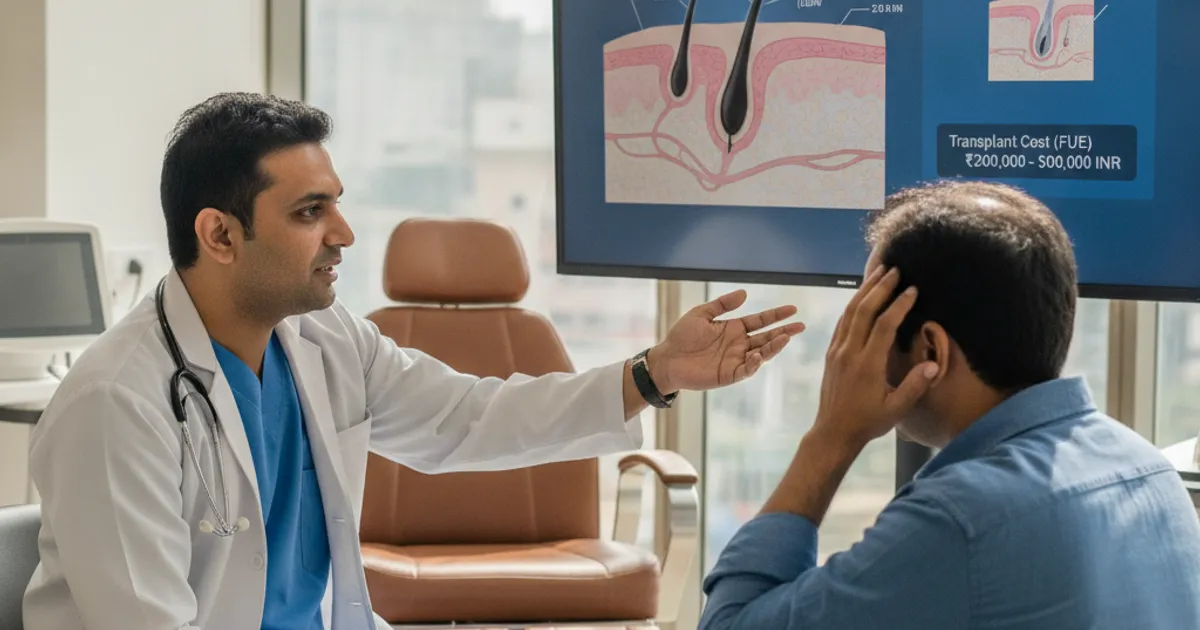
When to Consider a Hair Transplant Consultation
Correcting ferritin is essential, but it won't regrow hair lost to genetic pattern baldness. If you have receding temples, a thinning crown, or family history of androgenetic alopecia, a hair transplant may be part of the long-term plan—but only after your iron status is optimized. Surgeons generally want to see stable, treated hair loss before operating, because transplanting into an unstable scalp can lead to poor results.
- You've corrected ferritin and other deficiencies but still have localized thinning.
- You have stable pattern hair loss (not active diffuse shedding).
- You've tried medical therapy (e.g., minoxidil, finasteride) for at least 6–12 months.
- You understand that a transplant doesn't stop future loss—maintenance matters.
FAQ: Ferritin Levels and Hair Loss
What ferritin level is ideal for hair growth?
Many experts suggest aiming for at least 40–70 ng/mL for active hair recovery, even though lab "normal" ranges often start around 15 ng/mL. Your doctor can help set a target based on your history.
Can low ferritin cause hair loss even if my hemoglobin is normal?
Yes. Ferritin drops before hemoglobin does, so you can have iron deficiency without anemia and still experience shedding. That's why ferritin is the more sensitive marker for hair.
How long after correcting ferritin will my hair grow back?
Hair cycles are slow. Most people see reduced shedding within 2–3 months and noticeable regrowth by 3–6 months after ferritin normalizes. Full recovery can take longer.
Should I take iron supplements without testing?
No. Iron overload is dangerous. Always test ferritin first and take iron only under medical supervision, especially if you have inflammation or liver conditions.
Why Ferritin Can Look Normal When It's Actually Low
Ferritin is an acute-phase reactant, meaning it rises in response to inflammation, infection, or liver disease. This can mask a true iron deficiency: your ferritin may fall within the lab's normal range, but your body's iron stores are still depleted. In such cases, doctors may look at other markers like transferrin saturation or soluble transferrin receptor, or consider a trial of iron supplementation if clinical signs suggest deficiency. If you have a chronic inflammatory condition (e.g., autoimmune disease, obesity, or chronic kidney disease), discuss with your doctor whether your ferritin target should be adjusted upward.
How Low Ferritin Affects Hair: The Hair Cycle Connection
Hair grows in cycles: anagen (growth), catagen (transition), and telogen (rest). Iron deficiency can prematurely push follicles into telogen, leading to increased shedding. This shedding typically occurs 2–3 months after the deficiency begins, which is why it can be hard to link to a recent change in your iron status. Ferritin reflects long-term iron stores, so a low ferritin is a more reliable indicator of iron deficiency than a single hemoglobin test. Correcting ferritin helps restore normal hair cycling, but regrowth takes time because follicles must re-enter anagen and grow a new hair shaft.
Frequently Asked Questions About Ferritin and Hair Loss
Can I have low ferritin but normal hemoglobin?
Yes. Hemoglobin drops only after iron stores are significantly depleted. Ferritin falls earlier, so you can be iron-deficient without anemia. This is sometimes called iron deficiency without anemia, and it can still cause hair shedding.
How long does it take to raise ferritin?
With consistent iron supplementation (under medical guidance), ferritin typically rises slowly—often by 10–20 ng/mL every few months. The rate depends on the dose, absorption, and the cause of deficiency. Retesting every 8–12 weeks helps track progress.
What ferritin level is optimal for hair growth?
Many experts suggest aiming for at least 40–70 ng/mL for hair growth, even though lab normal ranges often start lower. However, optimal levels can vary by individual, and levels should be interpreted with your doctor, especially if inflammation is present.
Should I take iron supplements without testing?
No. Taking iron without knowing your ferritin level can lead to iron overload, which can damage the liver and heart. Always test first and take iron only under medical supervision.
Does low ferritin cause permanent hair loss?
Low ferritin typically causes reversible shedding (telogen effluvium). Once ferritin is corrected, hair usually regrows, though it may take several months. However, if you also have genetic hair loss (androgenetic alopecia), low ferritin can worsen it, so addressing ferritin is still important.
More Guides
- Hair Transplant and Hair Dye: When Can You Color Again?
When can you dye your hair after a transplant? Get a clear recovery timeline, risks of coloring too soon, and tips for choosing safe dye. Plan your aftercare.
- Hair Transplant for Swimmers: Chlorine and Healing
Planning a hair transplant as a swimmer? Learn when you can swim after surgery, how chlorine affects healing, and aftercare rules to protect grafts.
- Hair Transplant for Daily Helmet Wearers: Recovery Guide
Wear a helmet daily? Learn how to protect grafts, time recovery, and safely reintroduce your helmet after a hair transplant. Practical aftercare tips.
- Hair Transplant and Sauna Use: When Is It Safe?
When can you use a sauna after a hair transplant? This guide covers the risks, a safe recovery timeline, and practical aftercare tips for heat exposure.