
Hair Transplant for Daily Helmet Wearers: Recovery Guide
Wear a helmet daily? Learn how to protect grafts, time recovery, and safely reintroduce your helmet after a hair transplant. Practical aftercare tips.
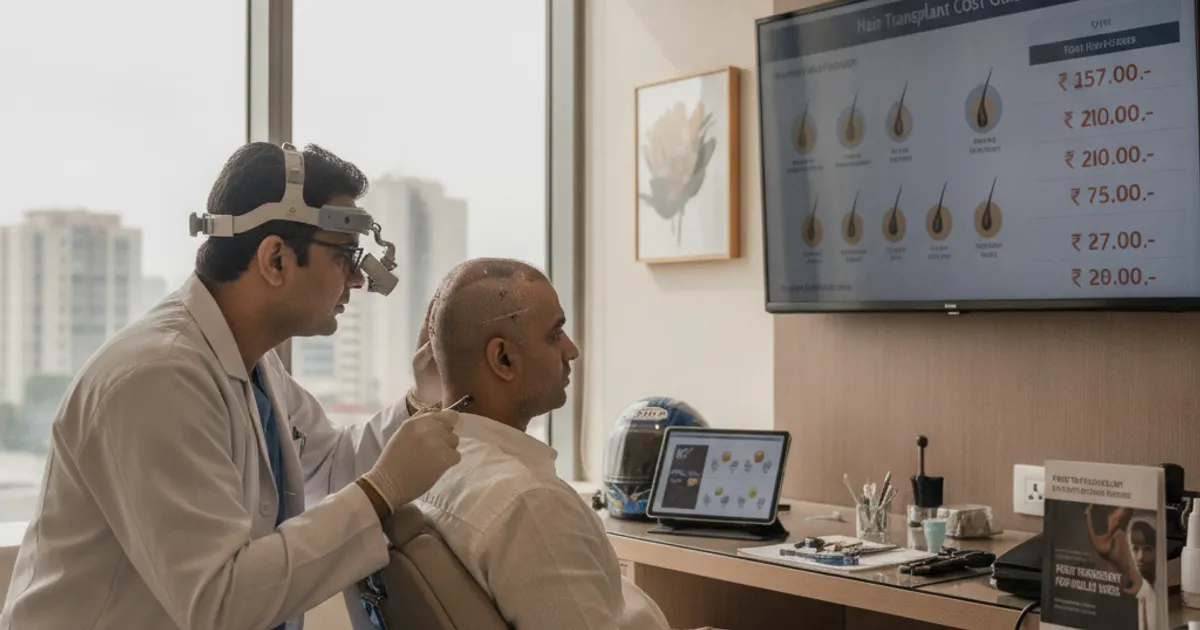
Can You Wear a Helmet After a Hair Transplant?
Yes, eventually. But not right away. If you wear a helmet every day for work or riding, the biggest question is timing. Your scalp needs time to heal and your new grafts need to anchor before any pressure or friction is safe. There is no universal timeline—your surgeon will give you specific instructions based on your procedure and healing. The key is to plan ahead so your job or daily commute doesn't force you back into a helmet too soon.
Why Daily Helmet Use Matters for Transplant Planning
A hair transplant is an investment of time and money. If you wear a helmet daily, you need to factor that into your surgery date and aftercare. Rushing back to your helmet can undo weeks of healing. Planning ahead protects your grafts and your sanity.
- Grafts are most vulnerable in the first days after surgery. Pressure or friction can cause them to fail.
- Sweat and bacteria trapped under a helmet increase infection risk during early healing.
- Your helmet's lining can rub against scabs, delaying healing and causing discomfort.
- Work schedules and commute times need to be adjusted to allow helmet-free recovery.
The Critical First Weeks: Helmet-Free Recovery
The first couple of weeks are non-negotiable. Your scalp will be tender, scabs will form, and the grafts are still settling. Any pressure from a helmet can shift them. Even a loose helmet can cause friction when you move your head. Plan to be without your helmet for as long as your surgeon advises—typically at least two weeks. If you absolutely must wear one for work, talk to your surgeon about modified headgear or temporary duty changes.
When and How to Reintroduce Your Helmet Safely
After your surgeon clears you, you can start wearing your helmet again—but slowly. Start with short periods, like 15–20 minutes, and check for any redness or discomfort. Gradually increase the time over a week or two. Make sure the helmet is clean and fits loosely. A tight helmet can still cause problems even after the grafts have taken.
| Recovery Phase | Helmet Use | Precautions |
|---|---|---|
| First 2 weeks | No helmet | Protect grafts from any pressure or friction |
| Weeks 3–4 | Short periods (15–30 min) | Clean liner, loose fit, monitor scalp |
| Weeks 5–6 | Longer periods as tolerated | Avoid sweating, keep helmet clean |
| Week 7+ | Normal use with caution | Continue hygiene, avoid tight fit |
Choosing a Helmet That Protects Your Grafts
Not all helmets are created equal when you're recovering from a hair transplant. The best helmet for post-transplant wear is one that fits loosely, has a soft interior, and allows airflow. Avoid helmets with hard ridges or tight straps that press on the graft area.
- Look for a helmet with adjustable fit or removable padding.
- Choose a smooth, soft liner—avoid rough textures.
- Ensure good ventilation to reduce sweat buildup.
- Consider a slightly larger size to avoid pressure points.
- Clean the liner regularly with mild soap and water.
Planning Time Off Work Around Your Helmet Schedule
If your job requires a helmet daily, you'll need to plan your time off carefully. Most people need at least two weeks off to let the grafts settle. If you can't take that much time, talk to your employer about light duty or temporary reassignment. Some clinics offer letters for work accommodations.
- Schedule surgery at the start of a two-week break if possible.
- Discuss temporary duty options with your employer ahead of time.
- Ask your clinic for a medical note if you need workplace accommodations.
- Consider using vacation time or short-term disability if available.
Aftercare Tips for Helmet Wearers
Once you're back in your helmet, aftercare becomes even more important. Sweat, oil, and bacteria can build up quickly under a helmet. Keep your scalp clean and dry, and give your head a break whenever possible.
- Wash your scalp gently with a mild shampoo as advised by your surgeon.
- Pat dry—don't rub—after washing.
- Remove your helmet every couple of hours to let your scalp breathe.
- Clean your helmet liner daily with a gentle cleanser.
- Avoid sharing helmets to reduce infection risk.
Risks and Warning Signs to Watch For
Even with careful planning, problems can arise. Knowing the warning signs helps you act fast. Contact your surgeon if you notice any of the following after wearing your helmet.
- Increased redness or swelling in the graft area.
- Pain that doesn't improve with over-the-counter medication.
- Signs of infection: pus, fever, or foul odor.
- Grafts that appear to be dislodged or bleeding.
- Persistent itching or rash under the helmet.
FAQ: Hair Transplants and Daily Helmet Use
Can I wear a helmet after a hair transplant if I only had a small session?
Even with a small session, the grafts need time to anchor. Your surgeon will likely recommend waiting at least two weeks before any helmet use. Follow your clinic's specific instructions.
What type of helmet is safest after a hair transplant?
A loose-fitting helmet with a soft, smooth liner and good ventilation is best. Avoid tight straps and hard interior ridges that can press on grafts.
How do I keep my helmet clean to prevent infection?
Wipe the liner daily with a mild cleanser or alcohol-free wipes. Wash removable padding regularly. Let the helmet air out when not in use.
Can I wear a helmet during exercise after my transplant?
Wait until your surgeon clears you. Even then, avoid heavy sweating for the first few weeks back. Clean your helmet immediately after use.
More Guides
- Hair Transplant and Hair Dye: When Can You Color Again?
When can you dye your hair after a transplant? Get a clear recovery timeline, risks of coloring too soon, and tips for choosing safe dye. Plan your aftercare.
- Hair Transplant for Swimmers: Chlorine and Healing
Planning a hair transplant as a swimmer? Learn when you can swim after surgery, how chlorine affects healing, and aftercare rules to protect grafts.
- Hair Transplant and Sauna Use: When Is It Safe?
When can you use a sauna after a hair transplant? This guide covers the risks, a safe recovery timeline, and practical aftercare tips for heat exposure.
- Ferritin Levels and Hair Loss: What Number Matters?
Ferritin levels and hair loss: what number matters? Learn the ideal ferritin range for hair growth, how to test correctly, and a practical recovery plan.