
Frontal Fibrosing Alopecia: Signs, Diagnosis, and Treatment
Learn about frontal fibrosing alopecia, a scarring hair loss condition. Discover causes, symptoms, diagnosis, and treatment options including hair transplant su
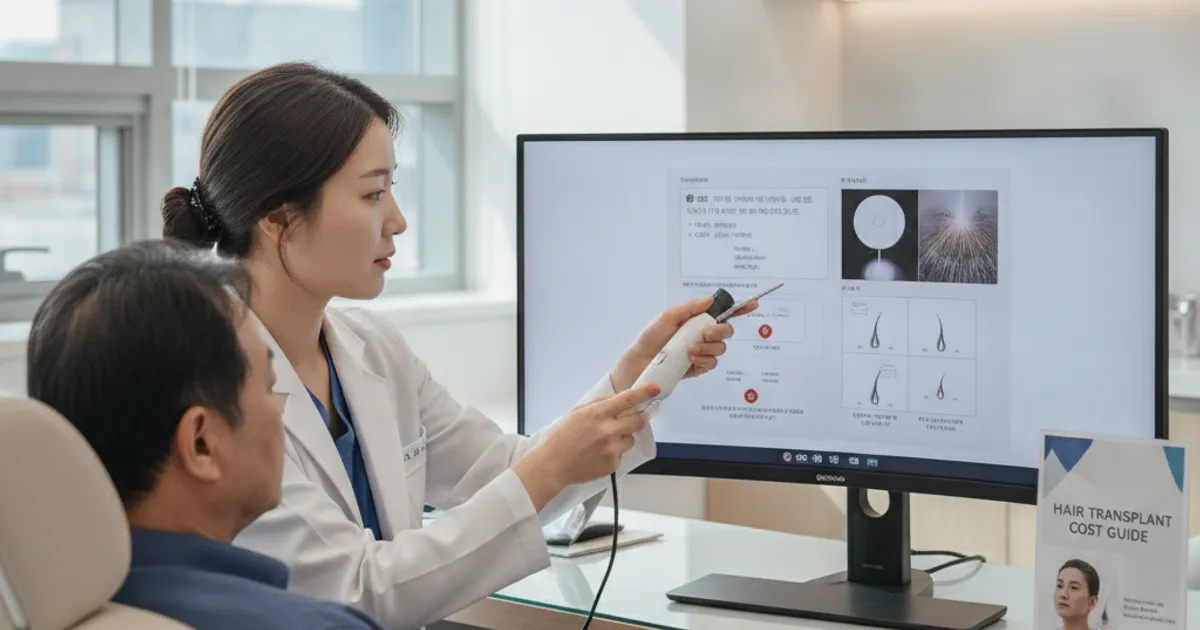
What Is Frontal Fibrosing Alopecia?
Frontal fibrosing alopecia (FFA) is a type of scarring hair loss that primarily affects the front and sides of the scalp. Unlike common pattern baldness, which is non-scarring, FFA causes permanent damage to hair follicles. The condition leads to a receding hairline that can progress to significant baldness. It is considered a variant of lichen planopilaris, an inflammatory scalp condition. FFA is most commonly seen in postmenopausal women, but it can affect men and younger women as well. Early diagnosis and treatment are crucial to slow progression and preserve remaining hair.
Causes and Risk Factors
The exact cause of FFA is not fully understood, but it is believed to be an autoimmune condition where the body's immune system attacks the hair follicles. Genetic predisposition, hormonal changes, and environmental factors may play a role. It is more common in women, especially after menopause, suggesting a hormonal link. However, FFA is not simply a hormonal condition; it involves inflammation and scarring.
- Autoimmune factors: The immune system mistakenly targets hair follicles.
- Hormonal influences: Postmenopausal women are most frequently affected.
- Genetic predisposition: Family history may increase risk.
- Environmental triggers: Some studies suggest a link to certain products or stress, but evidence is limited.
Signs and Symptoms to Watch For
FFA typically presents as a gradual recession of the frontal hairline, often with a band-like pattern. The skin in the affected area may appear pale and shiny, and you may notice loss of eyebrows. Itching, burning, or tenderness in the scalp can occur, especially in active phases. Unlike other types of hair loss, FFA often leads to permanent hair loss because the follicles are destroyed and replaced by scar tissue.
- Receding hairline, often symmetrical, starting at the front and sides.
- Loss of eyebrow hair (madarosis) is a common early sign.
- Scalp itching, burning, or pain in affected areas.
- Pale, shiny skin where hair has been lost.
- Lonely hairs within the bald patch (follicular dropouts).
How Frontal Fibrosing Alopecia Is Diagnosed
Diagnosis of FFA involves a combination of clinical examination and diagnostic tests. A dermatologist will assess your scalp for signs of inflammation and scarring. Dermoscopy (using a magnifying tool) can reveal specific features like loss of follicular openings and perifollicular scaling. A scalp biopsy may be performed to confirm the diagnosis and rule out other conditions. Blood tests might be done to check for underlying autoimmune issues or hormonal imbalances.
- Clinical examination: Visual inspection of the scalp and hairline.
- Dermoscopy: Detailed imaging to see follicular changes.
- Scalp biopsy: A small tissue sample to confirm scarring alopecia.
- Blood tests: To rule out other causes like thyroid disorders or lupus.
| Diagnostic Method | What It Reveals |
|---|---|
| Clinical exam | Pattern of hair loss, scalp appearance |
| Dermoscopy | Loss of follicular openings, perifollicular erythema |
| Scalp biopsy | Lymphocytic inflammation, fibrosis |
| Blood tests | Autoimmune markers, hormone levels |
Treatment Options for Frontal Fibrosing Alopecia
While there is no cure for FFA, several treatments can help manage symptoms and slow progression. The goal is to reduce inflammation and preserve remaining hair. Treatment plans are often tailored to the individual and may include topical or oral medications, injections, and lifestyle adjustments. It's important to note that hair lost to scarring cannot regrow, so early treatment is key.
- Topical corticosteroids: To reduce inflammation.
- Intralesional corticosteroid injections: Directly into affected areas.
- Oral medications: Such as hydroxychloroquine, finasteride, or doxycycline (off-label).
- Minoxidil: May help stimulate hair growth in non-scarred areas.
- PRP (platelet-rich plasma): Emerging therapy that may aid in reducing inflammation and promoting healing.
- Laser therapy: Low-level laser may be used as an adjunct.
| Treatment | Purpose | Notes |
|---|---|---|
| Topical corticosteroids | Reduce inflammation | Often first-line |
| Corticosteroid injections | Targeted anti-inflammatory | Given periodically as directed by your dermatologist |
| Finasteride | Hormonal modulation | Off-label, more studied in men |
| Minoxidil | Stimulate hair growth | For non-scarred areas |
| PRP | Promote healing | Limited evidence, growing popularity |
Is a Hair Transplant Suitable for Frontal Fibrosing Alopecia?
Hair transplantation in FFA is controversial and generally not recommended while the condition is active. Because FFA is a scarring alopecia, the scalp may be inflamed, and transplanted hair follicles could be attacked by the immune system, leading to poor graft survival. However, in cases where the disease has been stable for a prolonged period and inflammation is controlled, a hair transplant may be considered. The exact duration of stability required should be determined by your dermatologist and surgeon, as there is no universally agreed-upon timeframe. It's crucial to have a thorough evaluation by a dermatologist and a hair transplant surgeon experienced in scarring alopecias.
- Transplant only when FFA is inactive (stable for a prolonged period, as determined by your specialist).
- Inflammation must be well-controlled.
- Graft survival rates may be lower than in non-scarring alopecia.
- Risk of triggering a flare-up exists.
- Careful patient selection and realistic expectations are essential.
Living with Frontal Fibrosing Alopecia
Living with FFA can be challenging, both physically and emotionally. The visible changes to your appearance can affect self-esteem. It's important to build a support network and consider cosmetic options like wigs, hairpieces, or scalp micropigmentation. Joining support groups can provide valuable advice and emotional support. Regular medical follow-ups are also key to managing the condition effectively.
- Seek emotional support from friends, family, or support groups.
- Explore cosmetic options: wigs, hair fibers, scalp micropigmentation.
- Protect your scalp from sun exposure with hats and sunscreen.
- Maintain a healthy lifestyle to support overall well-being.
- Stay informed about new treatments and research.
Frequently Asked Questions
Can frontal fibrosing alopecia be cured?
There is no cure for FFA, but treatments can help manage symptoms and slow progression. Early intervention is important to preserve remaining hair.
Is hair transplant a good option for FFA?
Hair transplant may be considered only if the condition has been stable for an extended period and inflammation is controlled. It carries risks and should be carefully evaluated by a specialist.
What are the first signs of FFA?
Early signs include a receding hairline, often with eyebrow loss, and scalp itching or burning. See a dermatologist if you notice these symptoms.
Does FFA affect men?
Yes, although it is more common in women, men can also develop FFA. It often presents similarly with hairline recession.
Can minoxidil help with FFA?
Minoxidil may help stimulate hair growth in non-scarred areas, but it cannot reverse scarring. It is sometimes used as part of a comprehensive treatment plan.
How FFA Differs from Other Hair Loss Conditions
FFA is often confused with other forms of hair loss, but distinguishing it is important because the treatment approach and prognosis differ. Unlike androgenetic alopecia (common pattern baldness), which is non-scarring and driven by hormones and genetics, FFA is inflammatory and scarring. Androgenetic alopecia typically causes diffuse thinning or a receding hairline with a gradual miniaturization of follicles, but the follicles remain alive and can often be revived with treatment. In contrast, FFA destroys the follicle permanently. Another condition, traction alopecia, results from prolonged tension on the hair and can sometimes be reversed if the tension is stopped early, but it does not typically cause the inflammatory signs or eyebrow loss seen in FFA. Telogen effluvium is a temporary shedding condition often triggered by stress, illness, or nutritional deficiencies, and it does not cause scarring or permanent hairline recession. Lichen planopilaris (LPP) is the broader category that includes FFA; LPP can affect any part of the scalp, while FFA predominantly affects the frontal hairline and eyebrows. A dermatologist can differentiate these conditions through clinical examination, dermoscopy, and sometimes a biopsy.
What to Expect During Diagnosis and Treatment
If you suspect FFA, the diagnostic process usually begins with a thorough history and scalp examination. Your dermatologist will ask about the onset of hair loss, associated symptoms like itching or burning, and any family history of similar conditions. They may use a dermoscope to look for specific features such as perifollicular scaling, loss of follicular openings, and the presence of lonely hairs. A scalp biopsy may be recommended to confirm the diagnosis and rule out other conditions; this involves removing a small piece of scalp tissue under local anesthesia. Blood tests may be ordered to check for underlying autoimmune or thyroid issues. Once diagnosed, treatment typically focuses on halting progression. You may be prescribed topical corticosteroids, corticosteroid injections, or oral medications. It is important to understand that these treatments aim to reduce inflammation and preserve remaining hair, but they do not regrow hair that has already been lost to scarring. You will need regular follow-up visits to monitor disease activity and adjust treatment as needed. Response to treatment varies, and it may take several months to see stabilization. Patience and adherence to the treatment plan are crucial.
Frequently Asked Questions About FFA
Can FFA be cured?
There is currently no cure for FFA. Treatment aims to control inflammation, slow or stop progression, and preserve remaining hair. Hair lost to scarring cannot regrow.
Is FFA contagious?
No, FFA is not contagious. It is considered an autoimmune condition and cannot be spread from person to person.
Can men get FFA?
Yes, although FFA is more common in women, especially postmenopausal women, it can also affect men. Men may present with similar frontal hairline recession and eyebrow loss.
Does FFA always lead to complete baldness?
Not necessarily. The progression varies among individuals. Some people experience slow progression over years, while others may progress more quickly. Early treatment can help slow or halt the process.
Can I color or chemically treat my hair if I have FFA?
Harsh chemicals may irritate the scalp and potentially exacerbate inflammation. It is best to consult your dermatologist before using hair dyes or chemical treatments. Gentle hair care and avoiding tight hairstyles are generally recommended.
Is hair transplantation ever recommended for FFA?
Hair transplantation is generally not recommended while FFA is active because of the risk of triggering a flare and poor graft survival. However, in cases where the disease has been stable for a prolonged period and inflammation is well-controlled, it may be considered. This decision should be made in consultation with a dermatologist and a surgeon experienced in scarring alopecias.
More Guides
- Hair Loss After Weight Loss Surgery: Timeline & Fixes
Hair loss after weight loss surgery is common. Learn the timeline, causes, treatments like minoxidil and PRP, and whether a hair transplant is right for you.
- Stress-Related Hair Loss: Recovery Time and Treatment
How long does stress-induced hair loss take to recover? Learn about telogen effluvium, diagnosis, treatments, and when a transplant may help.
- Female Hair Loss at the Back of the Head: Causes & Fixes
Learn why women lose hair at the back of the head, how it's diagnosed, and the best treatment options including minoxidil, PRP, and hair transplant suitability.
- Wellbutrin and Hair Loss: What You Need to Know
Learn how Wellbutrin may cause hair loss, how it's diagnosed, and what treatments—including hair transplant—can help you regrow hair.