
Hair Transplant After a Hair System: What to Know
Planning a hair transplant after wearing a hair system or wig? Learn how to transition, what recovery involves, aftercare timelines, and risks to watch for.
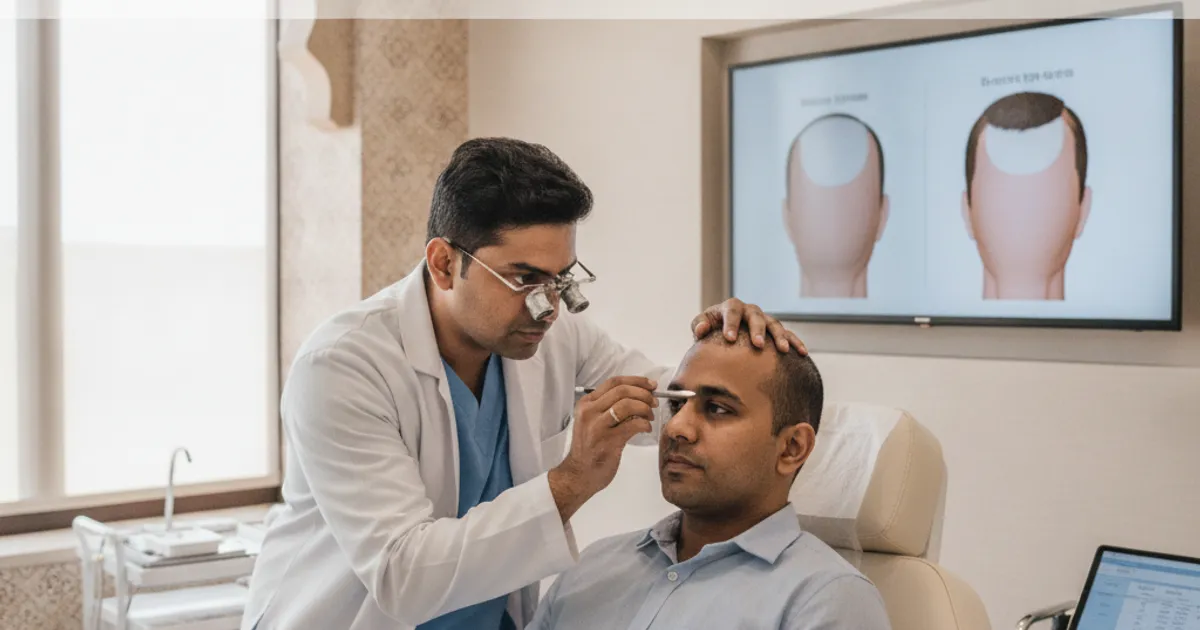
If you've been wearing a hair system or wig for years, the idea of getting a hair transplant can feel like a big step. You're probably wondering whether it's even possible, how to plan the switch, and what recovery looks like when you're used to covering your hair loss. This guide walks you through the practical side of getting a hair transplant after a hair system, from planning your transition to aftercare and the risks to keep in mind.
Can You Get a Hair Transplant If You've Worn a Hair System?
Yes, you can. Wearing a hair system or wig doesn't disqualify you from surgery. What matters is the health of your scalp and the quality of your donor hair. Hair systems are non-surgical coverings, so in general they don't damage hair follicles the way tight braids or certain medical conditions might—though individual experiences vary, and it's best to have your scalp assessed. That said, long-term use can affect the scalp in ways your surgeon will want to check.
- Scalp health: adhesives and tapes can cause irritation or allergic reactions in some people. Your surgeon will check for inflammation or damage before planning surgery.
- Donor hair quality: the back and sides of your scalp need enough healthy follicles to transplant. Hair systems don't change this, but age and genetics do.
- Hair loss pattern: your surgeon will map your current loss and predict future loss to design a realistic hairline.
- Realistic expectations: a transplant won't give you the density of a full head of hair, but it can restore a natural look that doesn't require daily attachment.
How to Plan Your Transition from Hair System to Transplant
The transition takes some planning, especially if you wear your system daily and want to avoid awkward gaps. Here's a sensible order of steps.
- Consult a surgeon early: book a consultation while you're still wearing your system so they can assess your scalp and donor area in person.
- Discuss your wearing schedule: tell your surgeon how often you wear your system, what adhesive you use, and whether you've had skin reactions.
- Plan a break: many surgeons suggest stopping system wear for a short period before surgery to let the scalp recover. Ask your clinic for timing.
- Arrange cover for the healing period: you won't be able to wear your system for a while after surgery, so think about hats, scarves, or time off work.
- Set expectations for the transition: there will be a gap between surgery and when you can safely wear a system again, and possibly a longer gap before you see final results.
What to Expect During Recovery (and How a Hair System Affects It)
Recovery from a hair transplant is straightforward for most people, but wearing a hair system adds a few considerations. The main issue is protecting the grafts and the scalp while it heals. Your surgeon will give you specific instructions, but here's the general picture. These timeframes are general guidance only—your clinic's protocol may differ.
- First 7–10 days: the grafts are fragile. You'll need to avoid any pressure or friction on the recipient area. That means no hair system, no hats that rub, and careful sleeping.
- Weeks 2–4: scabs heal and the transplanted hair sheds (this is normal). Your scalp may be sensitive. You still shouldn't attach a hair system.
- Weeks 4–8: your surgeon may clear you to wear a loose-fitting system or a soft cap, depending on healing. Adhesives are usually off-limits for longer.
- Months 3–6: new hair starts growing. You can gradually return to normal routines, but always follow your clinic's guidance on when it's safe to use adhesives again.
Aftercare Timeline: When You Can Wear a Hair System Again
There's no single timeline that fits everyone, but most surgeons follow a similar progression. The table below gives a general guide. Always defer to your own clinic's instructions.
| Recovery Stage | Hair System Use | Key Precautions |
|---|---|---|
| First 7–10 days | Not recommended | Protect grafts; no pressure or friction on recipient area |
| Weeks 2–4 | Avoid | Scabs healing; shedding phase; scalp sensitive |
| Weeks 4–8 | Possibly a loose-fitting system or soft cap | Only with surgeon's approval; no adhesives |
| Months 2–3 | May resume with gentle attachment | Check for irritation; avoid tight tapes |
| Months 4–6 | Generally safe to return to normal routine | Monitor scalp health; new hair growing |
Risks and Things to Watch For
A hair transplant is a safe procedure for most healthy people, but there are risks specific to having worn a hair system. Being aware of them helps you plan.
- Scalp irritation from adhesives: if you've had reactions to tapes or glues, tell your surgeon. They may recommend a different attachment method after surgery.
- Poor graft survival: if a hair system is worn too soon and puts pressure on grafts, it can reduce survival. Follow the timeline strictly.
- Infection: any surgery carries a small risk. Keeping the scalp clean and avoiding adhesives during healing lowers it.
- Unrealistic expectations: a transplant adds density, but it won't match the full coverage of a hair system. Some patients combine a transplant with a lightweight system for special occasions.
- Scarring: individual healing varies. Your surgeon will discuss scar formation and how it might affect future hair system use.
Choosing a Clinic When You Have a Hair System History
Not every clinic has experience with patients transitioning from hair systems. Look for a surgeon who understands the specific challenges: scalp assessment after long-term adhesive use, planning around your system-wearing schedule, and aftercare advice that accounts for your routine. When comparing clinics, ask about their experience with hair system users and their protocol for resuming system wear.
- Ask how many patients they've treated who previously wore hair systems.
- Confirm they'll provide a clear aftercare timeline for resuming system use.
- Check whether they offer a consultation to assess scalp health before committing.
- Read reviews from patients with similar backgrounds if available.
FAQ
Can I wear my hair system right after a hair transplant?
No. You'll need to wait at least a few weeks, and often longer, before attaching a hair system. The first 7–10 days are critical for graft survival, and adhesives can irritate healing skin. Your surgeon will give you a specific timeline based on your healing.
Will wearing a hair system for years damage my donor hair?
Hair systems themselves generally don't damage donor hair because they don't pull on follicles the way tight hairstyles can, though individual experiences vary. However, adhesives can cause scalp irritation in some people. Your surgeon will assess your scalp and donor area during consultation.
How long after a hair transplant can I go back to work if I wear a hair system?
Most people take a few days to a week off work. If you need to look covered for work, you may be able to wear a loose-fitting cap after the first week or two, but check with your clinic. Returning to a full hair system usually takes longer, often 4–8 weeks or more.
Is it better to stop wearing my hair system before surgery?
Many surgeons recommend stopping for a short period before surgery to let the scalp recover from adhesives and to assess its natural condition. Your clinic will advise you on the ideal timing based on your skin and hair system routine.
Preparing Your Scalp for Surgery After Long-Term Hair System Use
If you've worn a hair system for years, your scalp may need some TLC before surgery. Adhesives and tapes can leave residue, cause mild inflammation, or lead to contact dermatitis in some people. Your surgeon will want your scalp in the best possible condition before creating recipient sites. Here's how to prepare.
- Schedule a scalp check: A dermatologist or your transplant surgeon can assess for irritation, infection, or allergic reactions. They may recommend a topical treatment or a break from adhesives.
- Switch to gentle cleansing: Use a mild, fragrance-free shampoo to remove residue without stripping the skin. Avoid harsh scrubbing.
- Consider a patch test: If you've had reactions, ask about allergy testing for common adhesive ingredients so you can avoid them during recovery.
- Follow your clinic's prep instructions: They may ask you to stop using certain products or medications before surgery.
Comparing Hair Systems and Hair Transplants: Key Differences to Consider
Understanding the fundamental differences between hair systems and transplants can help you set realistic expectations and make an informed decision. While both address hair loss, they work in very different ways.
- Maintenance: Hair systems require regular cleaning, reattachment, and replacement every few weeks to months. Transplants are permanent and need only normal hair care once healed.
- Durability: Systems wear out over time and need ongoing investment. Transplanted hair grows naturally for years, though it can thin with age.
- Appearance: Systems can offer full coverage and instant density. Transplants provide a natural look but may not achieve the same coverage, especially in advanced baldness.
- Lifestyle: Systems can limit activities like swimming or intense sweating due to adhesive concerns. Transplants free you from those restrictions after healing.
- Cost: Systems involve recurring expenses, while transplants are a one-time (though higher) upfront cost. Neither is cheap, but the long-term financial picture differs.
Many patients use a combination approach: a transplant to restore a natural hairline and a lightweight system for special occasions or to add density. Discuss this hybrid option with your surgeon.
Frequently Asked Questions About Hair Transplants After Hair Systems
Can I wear my hair system during the consultation?
Yes, but your surgeon will need to examine your scalp and donor area. They may ask you to remove it briefly during the exam. Wear it as usual to the appointment, but be prepared to take it off for assessment.
How long after surgery can I start wearing a hair system again?
Most surgeons recommend waiting at least 2–4 weeks before any headwear, and longer before using adhesives—often 4–6 weeks or more. Follow your clinic's specific timeline, as it depends on your healing and procedure size.
Will my transplanted hair look different from my system?
Transplanted hair is your own natural hair, so it will match your original texture and color. However, it may not be as dense as a system. Your surgeon will design a hairline that looks natural and suits your age and facial features.
Can I switch back to a hair system if I'm not happy with the transplant?
Yes, you can usually resume wearing a system after healing, but you'll need to wait until your scalp is fully recovered and your surgeon approves. Keep in mind that a system may cover the transplanted area, so discuss expectations beforehand.
Does wearing a hair system affect graft survival?
Only if worn too soon after surgery. Pressure or friction on healing grafts can reduce survival. Strictly following your aftercare timeline is crucial. Once healed, a system won't harm the grafts.
More Guides
- How Long After Finasteride Before a Hair Transplant?
Planning a hair transplant while on finasteride? Learn the typical waiting period, why timing matters, and how to coordinate with your surgeon for best results.
- Early Symptoms of Hair Loss: What to Watch For First
Learn the early symptoms of hair loss, how to track them, and when to see a specialist. Plan ahead with treatment options and costs.
- Alopecia Treatment: A Comprehensive Guide
A practical guide to alopecia treatment: types, diagnosis, medications, surgery, recovery timeline, and aftercare. Plan your hair restoration with confidence.
- Hair Loss Causes: What You Can and Can't Control
Understand hair loss causes, what's controllable, and how to plan a transplant. Practical guide to factors, aftercare, and when to see a specialist.