
Hair Transplant with Epilepsy: Safety, Risks, and Planning
Can you have a hair transplant with epilepsy? Learn about anesthesia safety, medication interactions, and how to prepare for surgery with a seizure disorder.
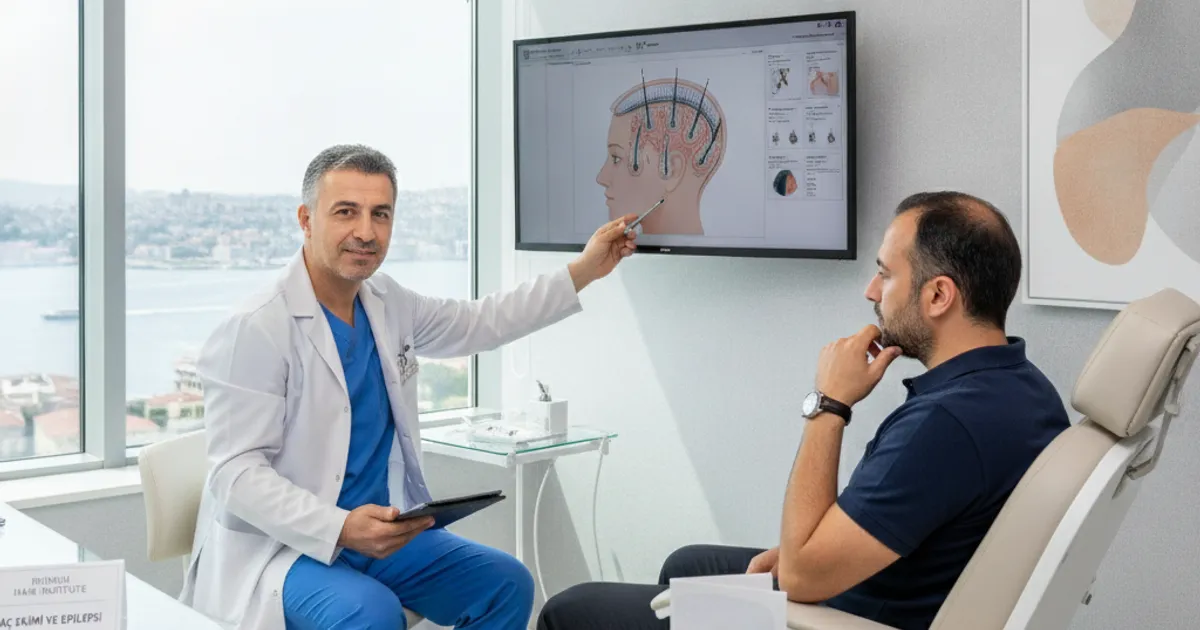
Can You Have a Hair Transplant If You Have Epilepsy or a Seizure Disorder?
Yes, you can usually have a hair transplant if you have epilepsy or a seizure disorder, but it requires careful planning with your neurologist and the surgical team. The procedure itself is generally safe when your seizures are well controlled and the clinic adjusts anesthesia and medications to avoid known triggers. This guide covers the key safety considerations for hair transplant and epilepsy, from pre-surgery clearance to post-operative care.
Why Epilepsy Matters for Hair Transplant Safety
Epilepsy affects how your brain responds to stress, medications, and changes in routine. A hair transplant involves local anesthesia, long periods lying still, possible sedation, and post-operative painkillers. Each of these can interact with your seizure threshold or antiseizure drugs. Understanding these factors helps you and your medical team minimize risks.
- Stress and anxiety can lower seizure threshold in some people.
- Certain local anesthetics or sedatives may interact with antiseizure medications.
- Missed doses of antiseizure drugs around surgery can increase seizure risk.
- Prolonged lying still during surgery may be uncomfortable but is not usually a direct trigger.
- Post-operative pain and sleep disruption can affect seizure control.
What Risks Does a Hair Transplant Pose for People With Epilepsy?
The main risks are not from the hair follicles themselves but from the surgical environment and medications. Most are manageable with proper precautions. The table below outlines typical concerns and how clinics address them.
| Risk | Why It Matters | How It's Managed |
|---|---|---|
| Seizure during surgery | Stress, anesthesia, or missed meds could trigger a seizure | Neurologist clearance, careful anesthesia choice, clinic staff trained in seizure first aid |
| Drug interactions | Antiseizure meds may interact with sedatives or painkillers | Pre-operative medication review by neurologist and anesthesiologist |
| Missed antiseizure doses | Skipping doses can lower seizure control | Clinic allows you to take medications on schedule, even during surgery |
| Post-operative stress | Pain and sleep disruption may affect seizure threshold | Adequate pain relief, rest plan, and early follow-up |
| Local anesthetic toxicity | Rare but possible with high doses | Dose limits and monitoring by surgical team |
How Should You Prepare for a Hair Transplant If You Have Epilepsy?
Preparation is mostly about communication and planning. Start weeks before your procedure. The steps below are a practical checklist based on general best practices.
- Get written clearance from your neurologist stating your seizures are controlled and you are fit for local anesthesia.
- Provide the clinic with a full list of your antiseizure medications, doses, and schedule.
- Ask how the clinic handles medication schedules during surgery — you should not miss a dose.
- Discuss anesthesia options with the clinic's anesthesiologist or surgeon.
- Arrange for a friend or family member to drive you home and stay with you for 24 hours.
- Plan for a low-stress recovery: quiet environment, adequate sleep, and pain relief as prescribed.
- Confirm the clinic has a protocol for seizure first aid and emergency response.
Which Anesthesia Is Safest for Hair Transplant Patients With Epilepsy?
There is no single safest anesthesia for everyone with epilepsy. The choice depends on your seizure type, medications, and medical history. Local anesthesia with or without light sedation is common. The comparison below outlines typical options.
| Anesthesia Type | Typical Use | Considerations for Epilepsy |
|---|---|---|
| Local anesthesia only (e.g., lidocaine with epinephrine) | Most hair transplants | Generally safe; dose limits apply; epinephrine can cause jitteriness but is usually fine |
| Local anesthesia plus light oral sedation | Anxious patients | Sedatives may interact with antiseizure meds; requires monitoring |
| Local anesthesia plus IV sedation | Complex cases or high anxiety | Requires anesthesiologist; some sedatives lower seizure threshold |
| General anesthesia | Rarely used for hair transplant | Higher risk; reserved for special cases with full anesthesia team |
What Should You Tell Your Hair Transplant Clinic About Your Seizure Disorder?
Be upfront and detailed. The clinic needs to know your seizure history to plan safely. Use this checklist to cover the essentials.
- Your specific diagnosis (e.g., generalized epilepsy, focal seizures).
- How often you have seizures and what triggers them.
- All medications you take, including doses and timing.
- Any history of status epilepticus or prolonged seizures.
- Whether you have a vagus nerve stimulator or other device.
- Your neurologist's contact information and written clearance.
- Any previous reactions to anesthesia or sedatives.
- Your typical seizure first aid plan.
Can Antiseizure Medications Interact With Hair Transplant Drugs?
Yes, interactions are possible. Antiseizure medications can affect how your body metabolizes sedatives, painkillers, and antibiotics. The clinic and your neurologist should review all medications together. Below are some general points to discuss with your healthcare providers.
- Some antiseizure drugs (e.g., carbamazepine, phenytoin) may speed up metabolism of other drugs, potentially reducing sedation effectiveness.
- Sedatives like midazolam may have altered effects.
- Painkillers such as tramadol may lower seizure threshold in some people.
- Antibiotics used post-operatively may interact with antiseizure meds.
- Always tell the clinic about over-the-counter drugs and supplements too.
Is a Hair Transplant Worth It If You Have Epilepsy?
For many people with well-controlled epilepsy, a hair transplant is a reasonable option. The key is weighing the benefits against the extra planning required. The table below summarizes common pros and cons.
| Pros | Cons |
|---|---|
| Long-term hair restoration | Requires neurologist clearance and extra appointments |
| Potential improvement in confidence | Potential medication interactions need review |
| Procedure is generally safe with precautions | Higher stress around surgery may affect seizure control |
| Local anesthesia is usually sufficient | Not all clinics have experience with epilepsy |
| Outpatient procedure with short recovery | Post-operative care must include seizure-aware planning |
Frequently Asked Questions
Can I have a hair transplant if my seizures are not fully controlled?
It depends on your neurologist's assessment. Uncontrolled seizures generally make elective surgery riskier. Most clinics will require clearance and may recommend postponing until seizures are better managed.
Will I need to stop my antiseizure medication before surgery?
No, you should not stop antiseizure medication without your neurologist's instruction. In most cases, you will continue your normal schedule, and the clinic will accommodate medication timing during the procedure.
Is local anesthesia safe for people with epilepsy?
Local anesthetics like lidocaine are generally safe when used at recommended doses. However, the clinic should be aware of your epilepsy and avoid excessive doses or epinephrine if it triggers symptoms for you.
What should I do if I have a seizure during recovery?
Follow your usual seizure first aid plan and contact your neurologist. Inform your hair transplant clinic as well, as they may want to adjust post-operative care or medications.
More Guides
- Does Hair Fall More in Autumn? Seasonal Shedding Explained
Does hair fall more in autumn? Learn why seasonal shedding peaks in fall, how much is normal, what science says, and when to see a specialist.
- Finasteride Half-Life: How Long Does It Stay in Your System?
Finasteride half-life is about 6-8 hours, but it can take days to weeks to fully clear. Learn how long finasteride stays in your system and what affects it.
- Finasteride 5 mg: What It Treats Besides Hair Loss
Finasteride 5 mg is mainly used for benign prostatic hyperplasia (BPH). Learn its uses, how it compares to 1 mg, side effects, and off-label options.
- Hair Transplant and Headaches or Migraines: Is It Safe?
Is a hair transplant safe if you get headaches or migraines? Learn causes, duration, prevention, and when to see a doctor. Get clear answers here.