
How to Prepare for a Hair Transplant: Full Checklist
A practical hair transplant preparation guide covering the 4-week checklist, day-of steps, aftercare, and recovery timeline so you know exactly what to expect.
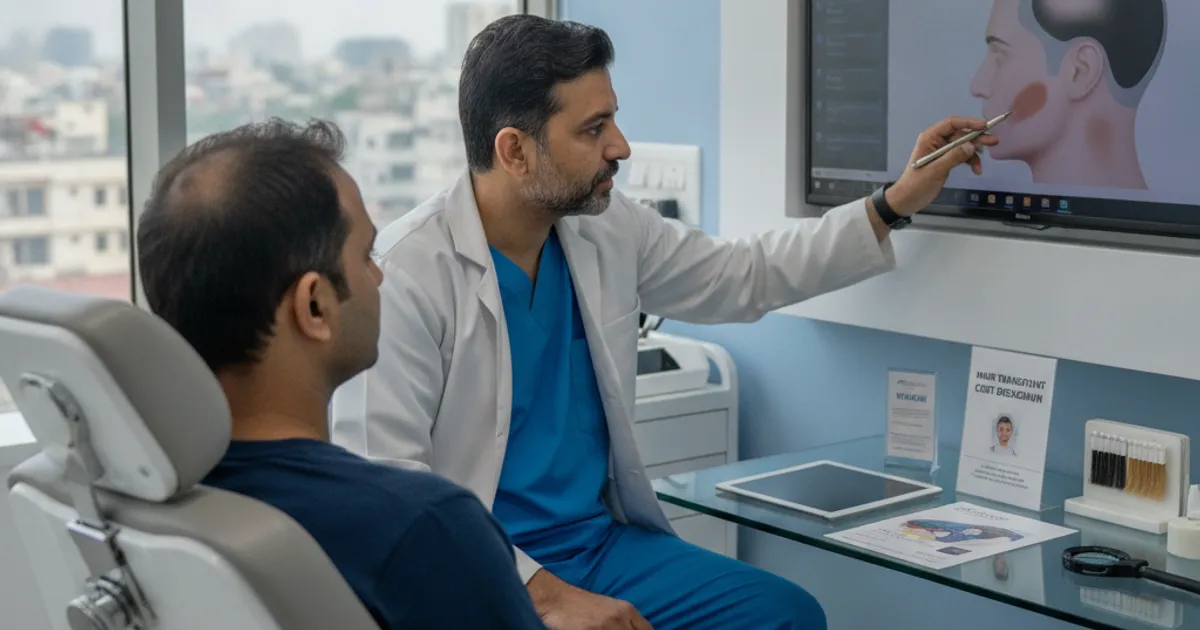
Why Preparation Makes or Breaks Your Hair Transplant
A hair transplant is a minor surgical procedure, but the results depend heavily on what you do before and after. The surgeon places thousands of individual grafts. How well those grafts survive depends on your scalp health, your medications, your habits, and how carefully you follow aftercare instructions. Preparing properly for a hair transplant is not complicated, but it does require planning. This guide walks you through a clear checklist from four weeks out to the twelve-month mark.
- Good preparation reduces the risk of bleeding, infection, and graft failure.
- It helps your surgeon plan the session and set realistic expectations.
- It makes the first 72 hours after surgery far more comfortable.
- It reduces the chance you will need a revision procedure, which costs more time and money.
The Pre-Surgery Checklist: What to Do 4 Weeks Before
Four weeks out is when you should start making real changes. This is the window to sort out medications, blood tests, and lifestyle factors that affect healing. Your clinic will usually send you a pre-op information pack, but here is the general shape of what most surgeons ask for.
- Nicotine narrows blood vessels and reduces oxygen to the scalp, which can lower graft survival.
- Some blood thinners and supplements (fish oil, ginkgo, vitamin E) increase bleeding risk.
- Scalp infections must be cleared before surgery, not after.
- Stress and poor sleep affect healing, so try to stabilise your routine early.
One Week Before: Medications, Alcohol, and Your Scalp
The final week is about fine-tuning. Your surgeon will give you a specific list of medications to stop and any to start. Do not guess. If you take prescription medication for a chronic condition, speak to your prescribing doctor before changing anything.
The Day Before and Morning Of: Practical Steps
The day before surgery is mostly about logistics. You want a calm morning with no rushing. Most clinics ask you to arrive with clean, dry hair and no products in it.
- Do not drink alcohol the night before.
- Do not apply any lotions, oils, or creams to your scalp.
- Avoid heavy exercise the morning of surgery.
- Arrive early so you are not stressed before the anaesthetic.
What to Expect During the Procedure (So You Can Plan)
Most hair transplants take between four and eight hours, depending on the number of grafts. You will be awake, usually with local anaesthesia. Knowing the flow helps you plan your day and your expectations.
- The surgeon marks the hairline and donor area and takes photos.
- Local anaesthetic injections numb the scalp. This is the most uncomfortable part for most people.
- Grafts are extracted from the donor area, usually the back of the scalp.
- The surgeon creates tiny recipient sites in the balding areas.
- Grafts are placed one by one. This is the longest stage.
- You may get breaks for food, water, and bathroom visits.
- After the procedure, the scalp is cleaned and lightly bandaged.
- You will be given aftercare instructions and usually a follow-up appointment.
Immediate Aftercare: The First 72 Hours
The first three days are critical. The grafts are fragile and need to settle. Your main job is to rest, avoid touching the scalp, and follow the clinic's cleaning routine exactly.
The First Two Weeks: Protecting Grafts and Managing Discomfort
By day three or four, most clinics let you wash your hair gently. Scabbing starts to form and then flake away. This is normal. Do not force it. The goal is to keep the scalp clean without disturbing the grafts.
- Swelling around the forehead and eyes usually peaks at day 3 and settles by day 5.
- Tiny crusts fall off naturally between day 7 and day 14.
- Some numbness or tightness in the donor area is common and temporary.
- Itching is normal. Scratching is not.
Long-Term Recovery Timeline: Months 1–12
The first year after a hair transplant follows a fairly predictable pattern. Knowing what is normal at each stage stops you from panicking when shedding starts.
- Do not judge results before month 6.
- Continue gentle scalp care and sun protection throughout the first year.
- Discuss any concerns with your clinic at the 6-month and 12-month reviews.
- Long-term maintenance may include medication or PRP, depending on your surgeon's advice.
How to Choose a Clinic and Surgeon You Can Trust
Preparation starts with choosing the right clinic. A good surgeon will give you a clear pre-op checklist, realistic expectations, and honest advice about whether you are a suitable candidate. Use a directory to compare clinics, read profiles, and check what is included in the quoted price.
- Check the surgeon's registration and experience with your hair type.
- Ask who performs the extraction and who places the grafts.
- Request before-and-after photos of similar cases.
- Ask what is included: consultations, medication, PRP, follow-ups.
- Read independent reviews and look for consistent feedback.
- Avoid pressure sales tactics or quotes that seem too low to be realistic.
- Confirm the clinic's policy on revisions and complications.
FAQ: Preparing for a Hair Transplant
How long before a hair transplant should I stop smoking?
Most surgeons recommend stopping all nicotine products at least four weeks before surgery and avoiding them during recovery. Nicotine reduces blood flow to the scalp, which can affect how well grafts survive.
Can I wash my hair the day before surgery?
Yes, most clinics ask you to wash your hair gently the night before or the morning of surgery with a mild shampoo. Do not apply any styling products, oils, or lotions to the scalp.
What should I wear on the day of the procedure?
Wear a button-up shirt or zip-up top so you do not have to pull clothing over your head afterwards. Loose, comfortable clothing is best. Bring a soft hat for the journey home.
When can I go back to work after a hair transplant?
Many people return to desk work within 3 to 7 days. If your job involves heavy lifting, dust, or direct sun exposure, you may need two weeks or more. Your surgeon will give you specific guidance based on your procedure.
How to Prepare Your Home and Support System for Recovery
Most people focus on the surgery itself and forget that the first few days at home shape how comfortable recovery feels. A little setup beforehand removes daily friction when you are tired, swollen, and told not to touch your scalp. Think of it as preparing a small recovery zone rather than rearranging your whole life.
- Set up a dedicated sleeping arrangement: a recliner or a stack of pillows that keeps your head elevated at the angle your clinic recommends. This helps reduce swelling and stops you rolling onto the grafts at night.
- Stock the bathroom with what you will actually need: the clinic's prescribed cleanser or saline, soft towels you do not mind staining, and loose button-front shirts that slip on without dragging over the scalp.
- Prepare easy meals and snacks for the first two to three days so you are not cooking or bending over a hot stove while the grafts are fresh.
- Arrange for someone to drive you home after surgery. Sedation or lingering anaesthetic can make driving unsafe, and clinics generally will not release you to drive yourself.
- Line up help for the first 24 to 48 hours if you can. A second pair of hands makes medication timing, food, and getting comfortable much easier.
- Keep a printed copy of the aftercare instructions somewhere visible. You will refer to them often in the first week.
- Plan to keep your phone, charger, water, and medication within arm's reach of where you will rest.
Medications, Supplements, and Health Conditions: What to Flag Before Surgery
The single most important thing you can do before surgery is give your surgeon a complete and honest picture of everything you take and every condition you have. This is not the place to leave things out because you think they are minor. Bleeding risk, healing, and anaesthetic safety all depend on it.
- Bring a written list of every medication, including prescriptions, over-the-counter drugs, and anything you take occasionally. Include the dose and how often you take it.
- List all supplements and herbal products. Many people do not think of these as medicines, but several affect bleeding or blood pressure.
- Flag chronic conditions such as diabetes, high blood pressure, heart conditions, bleeding disorders, and any history of keloid scarring.
- Tell your surgeon about any allergies, especially to anaesthetics, antibiotics, or painkillers, and about past reactions to surgery or sedation.
- Mention if you have a history of fainting, dizziness, or anxiety around medical procedures so the team can plan accordingly.
- Ask specifically which of your regular medications should be paused and which must continue. Do not make that call yourself.
- If you take blood thinners or other anticoagulants, coordinate with the doctor who prescribes them before changing anything.
Lifestyle Factors That Affect Graft Survival and Healing
Beyond the medication checklist, a handful of everyday habits influence how well your scalp heals and how comfortably you recover. None of these require dramatic changes, but addressing them in the weeks before surgery gives your body the best conditions to work with.
- Smoking and nicotine: nicotine constricts blood vessels and reduces blood flow to the skin, which is why clinics ask you to stop well before surgery and stay off it during early healing. Ask your clinic for their specific window.
- Alcohol: heavy drinking affects hydration, bleeding, and anaesthetic tolerance. Most surgeons ask you to avoid alcohol for a period before and after surgery.
- Hydration and diet: staying well hydrated and eating normally supports healing. Crash dieting or dehydration in the days before surgery is not helpful.
- Sleep and stress: poor sleep and high stress do not help recovery. Try to stabilise your routine in the weeks before so you arrive rested rather than run down.
- Exercise: vigorous workouts are usually paused around surgery because they raise blood pressure and can increase bleeding. Ask your clinic when you can resume.
- Sun exposure: a sunburned or irritated scalp before surgery is a problem. Protect your scalp in the run-up, and plan sun protection carefully for the months after.
- Scalp and hair condition: treat any dandruff, infection, or irritation before surgery as directed, and avoid harsh products or aggressive styling in the final weeks.
Common Questions About Preparation
Can I have a hair transplant if I take blood pressure or diabetes medication?
Many people do, but the decision belongs to your medical team. Blood pressure, heart, and diabetes medications are often continued, but only your prescribing doctor and surgeon can confirm what is safe for your situation. Give them the full list and follow their guidance.
How far in advance should I stop smoking?
Clinics vary, so ask yours for the specific window. The general reason is that nicotine reduces blood flow to the scalp, which matters for graft survival and healing. Stopping earlier than the minimum is generally better than stopping later.
Do I need to shave my head before surgery?
This depends on the clinic and the technique. Some procedures involve shaving the donor or recipient area, while others are designed to work around longer hair. Confirm what your clinic expects so you arrive as instructed rather than guessing.
What should I eat and drink on the morning of surgery?
Follow your clinic's fasting instructions exactly, since they depend on the type of anaesthesia used. If you are told you may eat, keep it light. Do not drink alcohol, and take only the medications your surgeon has approved.
Can I bring someone with me to the appointment?
Policies differ between clinics. Many allow a companion to drive you home even if they cannot stay during the procedure. Ask in advance so you can plan transport and support.
What if I get sick or develop an infection before surgery?
Tell your clinic as soon as possible. A fever, active infection, or feeling unwell may mean rescheduling, and it is safer to raise it early than to arrive unwell on the day.
More Guides
- How Long After Finasteride Before a Hair Transplant?
Planning a hair transplant while on finasteride? Learn the typical waiting period, why timing matters, and how to coordinate with your surgeon for best results.
- Early Symptoms of Hair Loss: What to Watch For First
Learn the early symptoms of hair loss, how to track them, and when to see a specialist. Plan ahead with treatment options and costs.
- Alopecia Treatment: A Comprehensive Guide
A practical guide to alopecia treatment: types, diagnosis, medications, surgery, recovery timeline, and aftercare. Plan your hair restoration with confidence.
- Hair Loss Causes: What You Can and Can't Control
Understand hair loss causes, what's controllable, and how to plan a transplant. Practical guide to factors, aftercare, and when to see a specialist.