
Hair Transplant Graft Survival: How to Protect New Grafts
Learn how to protect hair transplant grafts for optimal survival. Practical aftercare tips for the first 72 hours, week one, and long-term growth.
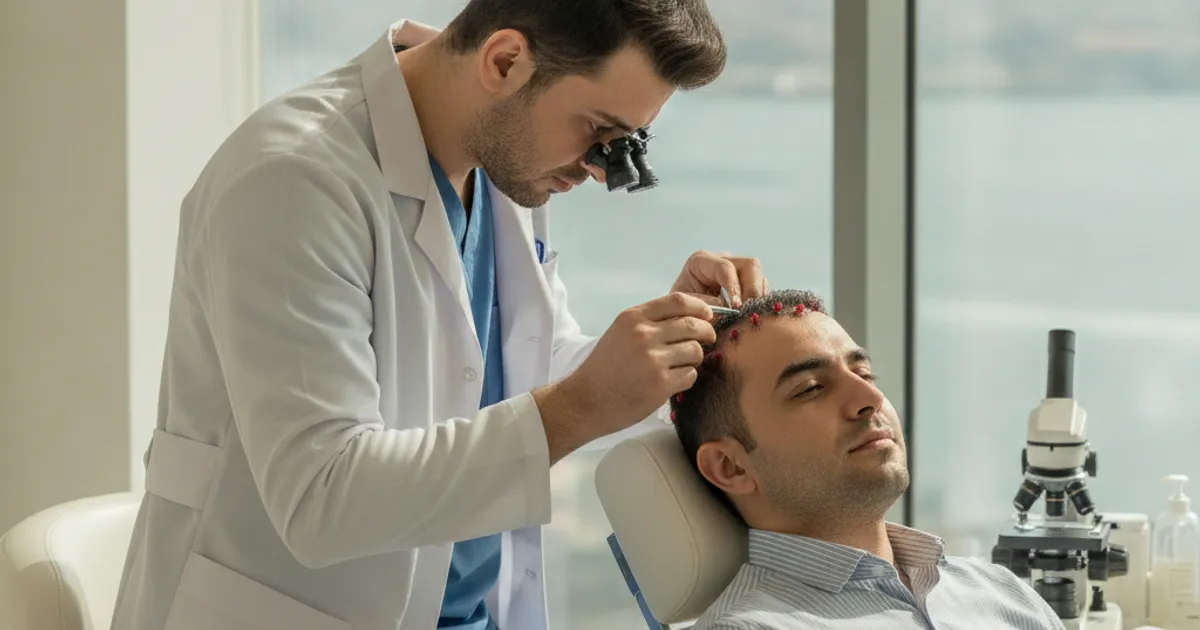
What Graft Survival Really Means (and Why It Matters)
When you get a hair transplant, the surgeon moves hair follicles from a donor area to a thinning area. These relocated follicles are called grafts. Graft survival is simply the percentage of those grafts that take root and grow hair in their new location. It's the single biggest factor in whether your transplant looks full and natural or patchy and disappointing. No surgeon can guarantee that every single graft will survive, but your aftercare plays a huge role in protecting the investment you've made.
The First 72 Hours: Your Most Critical Window
The first three days after surgery are when grafts are establishing a new blood supply. They're fragile and need to be handled with care. Your clinic will give you specific instructions, but here are the general rules that apply to almost everyone.
- Sleep with your head elevated to reduce swelling and pressure on the grafts.
- Avoid touching, rubbing, or scratching the recipient area—even if it itches.
- Don't wash your hair unless your clinic explicitly says it's okay.
- Stay out of direct sunlight and avoid sweating heavily.
- Skip alcohol and caffeine for at least the first couple of days to minimize bleeding risk.
Week One: Protecting Grafts While They Anchor
By the end of the first week, grafts are starting to anchor, but they're still not fully secure. This is when many people get careless and accidentally dislodge a graft. Follow your clinic's washing protocol exactly—usually a gentle rinse with a cup of water and mild shampoo, patting dry with a clean towel. Avoid any strenuous activity that raises your heart rate or causes sweating.
- Wash your hair gently with the provided shampoo, using fingertips only—no nails.
- Don't use a hair dryer on hot settings; let hair air-dry or use cool air.
- Avoid wearing hats or helmets that rub against the grafts.
- Sleep on your back with neck support to avoid rolling onto the recipient area.
- Stay away from swimming pools, saunas, and hot tubs.
| Timeframe | What to Expect | What to Do |
|---|---|---|
| First 3 days | Swelling, tenderness, small scabs forming | Sleep elevated, avoid touching, follow clinic's cleaning instructions |
| Days 4–7 | Scabs start to flake, itching may increase | Gentle washing, no scratching, avoid sweating |
| Days 8–10 | Scabs mostly gone, grafts anchored | Resume light activity, still avoid direct sun and harsh products |
Sleeping, Showering, and Styling Without Sabotaging Growth
Once the initial healing phase is over, you might be tempted to get back to your normal routine. But your scalp is still healing, and new grafts are delicate. Here's how to handle daily activities without risking your results.
- Sleep on your back for at least the first week—use a travel pillow to keep your head elevated.
- Shower with lukewarm water and a gentle, fragrance-free shampoo. Don't blast the water directly on the grafts.
- Avoid styling products (gel, wax, hairspray) for at least a couple of weeks.
- Don't dye or chemically treat your hair for at least a month.
- Hold off on haircuts over the recipient area until your clinic gives the green light.
Nutrition, Smoking, and Medications: What Actually Affects Survival
Your body needs the right fuel to heal. A balanced diet with plenty of protein, vitamins, and minerals supports graft survival. Smoking, on the other hand, constricts blood vessels and reduces oxygen to the scalp—it's one of the worst things you can do for graft survival. Some medications can also interfere with healing, so always check with your clinic before taking anything new.
- Eat protein-rich foods (eggs, lean meat, beans) to aid tissue repair.
- Stay hydrated—water helps maintain healthy blood flow.
- Avoid smoking and nicotine products for at least two weeks before and after surgery.
- Don't drink alcohol excessively—it can thin your blood and slow healing.
- Ask your doctor about any medications or supplements that might affect bleeding or healing.
| Factor | Effect on Graft Survival | Recommendation |
|---|---|---|
| Smoking | Reduces blood flow and oxygen to grafts | Quit at least 2 weeks before and after surgery |
| Alcohol | Thins blood, increases bleeding risk | Avoid for 48 hours before and after |
| Poor diet | Lack of nutrients slows healing | Eat balanced meals with protein and vitamins |
| Certain meds (e.g., blood thinners) | Increase bleeding risk | Consult your clinic before use |
Planning Ahead: How to Prepare Your Recovery Before Surgery Day
The best way to protect your grafts is to plan your recovery before you even step into the operating room. A little preparation goes a long way.
- Stock up on easy-to-eat foods and plenty of water.
- Set up a comfortable sleeping area with extra pillows for elevation.
- Arrange for someone to help you for the first day or two.
- Clear your schedule—take at least a few days off work.
- Fill any prescriptions (painkillers, antibiotics) in advance.
Warning Signs: When to Contact Your Clinic
Some discomfort and swelling are normal, but certain symptoms warrant a call to your clinic. Don't hesitate—it's better to be safe.
- Heavy bleeding that doesn't stop with gentle pressure.
- Signs of infection: fever, chills, excessive redness, or pus.
- Severe pain not relieved by prescribed medication.
- Sudden loss of many grafts (more than a few) after the first week.
- Any allergic reaction to medications.
Long-Term Habits That Protect Your Investment
Graft survival doesn't end after the first month. The habits you keep long-term affect how well your transplanted hair thrives. Protect your scalp from sun damage, maintain a healthy lifestyle, and follow up with your clinic as recommended.
- Use sunscreen on your scalp once healed—sunburn can damage grafts.
- Avoid tight hats or hairstyles that pull on the grafts.
- Keep up a healthy diet and exercise routine to support circulation.
- Attend follow-up appointments to monitor growth.
- Be gentle with your hair—avoid aggressive brushing or styling.
FAQ: Graft Survival Questions Answered
How many grafts typically survive a hair transplant?
Survival rates vary by surgeon and patient. Following aftercare instructions is key to maximizing your results.
Can I wear a hat after surgery?
Loose-fitting hats are usually okay after the first few days, but avoid anything that rubs against the grafts. Ask your clinic for specific guidance.
What happens if a graft falls out?
It's normal to lose some grafts in the first two weeks—these are usually the hair shafts, not the follicles. If you notice many grafts coming out with tissue, contact your clinic.
How soon can I exercise after a hair transplant?
Light walking is fine after a few days, but avoid strenuous exercise for at least two weeks to prevent sweating and increased blood pressure, which can affect grafts.
The Shedding Phase: Why Losing Hair After Surgery Is Not Graft Failure
One of the most common sources of panic after a hair transplant is noticing transplanted hairs falling out in the weeks following surgery. This is expected and does not mean the grafts have failed. What sheds is the hair shaft itself, while the follicle stays rooted beneath the skin. The follicle enters a resting phase after being relocated, then typically begins producing new growth again months later. Understanding this timeline helps you avoid the mistake of judging your results too early or doing something drastic in response to normal shedding.
- Shedding of transplanted hair shafts commonly begins within the first few weeks and can continue for a while; this is a normal part of the growth cycle resetting.
- The follicle remains in place even when the visible hair falls out, so shedding is not the same as losing a graft.
- New growth usually becomes noticeable over a period of months, and full maturation takes considerably longer, so patience is part of the process.
- If you are unsure whether you are seeing normal shedding or something concerning, photograph the area in consistent lighting and share it with your clinic rather than guessing.
Graft Quality vs. Aftercare: What You Control and What You Don't
Patients often assume survival is entirely down to how carefully they behave afterward. In reality, graft survival is shaped by two broad forces: the quality of the surgery and the quality of the aftercare. Being clear about which is which helps you focus your effort where it actually matters and avoid blaming yourself for factors outside your control.
Factors largely determined at the clinic include how the donor hair was selected and handled, how much time grafts spent outside the body, how carefully they were kept hydrated and cool, the size and cleanliness of the recipient sites, and the surgeon's technique in placing them at the right depth and angle. These are things you cannot influence once you have chosen your clinic, which is why vetting the clinic beforehand matters so much.
Factors you influence include protecting the recipient area in the vulnerable early days, following washing and sleeping instructions, avoiding smoking and excessive alcohol, managing blood pressure and overall health, and attending follow-ups. Your leverage is real but it works best as damage prevention rather than rescue. Good aftercare protects grafts that were well placed; it cannot compensate for poor surgical handling.
- Ask your clinic beforehand how grafts are stored and how many are handled at once, and how long they are outside the body.
- Confirm who performs the extraction and placement, since technique at these stages affects survival.
- Treat aftercare as protecting an investment already made, not as a way to fix problems created during surgery.
- If results fall short, discuss it with your clinic using photos and timelines rather than assuming your behavior caused it.
Underlying Health Conditions, Medications, and Habits That Affect Healing
Graft survival depends on blood supply reaching the new follicles, so anything that affects circulation, clotting, or healing deserves attention before surgery. This is a conversation to have with your clinic and, where relevant, your regular doctor, because the right guidance depends on your individual health picture.
Conditions that can impair circulation or healing, such as poorly controlled diabetes, certain autoimmune conditions, and uncontrolled high blood pressure, may affect outcomes and should be disclosed and managed. Some medications and supplements influence bleeding or healing, including certain blood thinners, anti-inflammatory drugs, and some herbal supplements, so review your full list with your clinic well before the procedure rather than stopping anything on your own. Nicotine in any form, including vaping and smokeless products, narrows blood vessels and is best avoided around surgery. Excessive alcohol affects clotting and hydration. Good sleep, steady hydration, and a nutrient-rich diet support the body's repair processes, though no single food or supplement guarantees graft survival.
Can I wear a hat or helmet after my transplant?
Loose headwear is generally fine once your clinic clears it, but anything that rubs, presses, or traps sweat against the recipient area should wait. Ask your clinic for a specific timeline, and avoid tight-fitting or heavy headgear during early healing.
Does exercise really need to wait?
Strenuous activity raises heart rate, blood pressure, and sweating, which can stress fresh grafts. Light walking is often acceptable early on, but intense workouts, heavy lifting, and contact sports should wait until your clinic approves them. Confirm the timeline with your clinic rather than guessing.
Will a single bump to my head ruin my results?
Occasional minor knocks are common and usually not catastrophic, but they should be reported to your clinic so they can assess. Significant bleeding, a visible dislodged graft, or worsening pain warrants prompt contact.
How soon can I color or chemically treat my hair?
Most clinics advise waiting a meaningful period before dyes, relaxers, or other chemical treatments, and longer still before anything aggressive near the recipient area. Get a specific date from your clinic, since recommendations vary with technique and healing.
What if my growth seems slower than others I see online?
Growth timelines vary between individuals, and comparing yourself to selective online posts is misleading. Track your own progress with consistent photos and raise concerns at follow-ups. Your clinic can assess whether your timeline is within the normal range.
More Guides
- Hair Transplant and Hair Dye: When Can You Color Again?
When can you dye your hair after a transplant? Get a clear recovery timeline, risks of coloring too soon, and tips for choosing safe dye. Plan your aftercare.
- Hair Transplant for Swimmers: Chlorine and Healing
Planning a hair transplant as a swimmer? Learn when you can swim after surgery, how chlorine affects healing, and aftercare rules to protect grafts.
- Hair Transplant for Daily Helmet Wearers: Recovery Guide
Wear a helmet daily? Learn how to protect grafts, time recovery, and safely reintroduce your helmet after a hair transplant. Practical aftercare tips.
- Hair Transplant and Sauna Use: When Is It Safe?
When can you use a sauna after a hair transplant? This guide covers the risks, a safe recovery timeline, and practical aftercare tips for heat exposure.