
Hair Transplant Growth Stages: Month-by-Month Timeline
Hair transplant stages of growth explained: timeline from shedding to full results. Learn what happens each month and how to track your progress.
What Are the Hair Transplant Stages of Growth?
Hair transplant growth happens in four main stages: healing (weeks 1–2), shedding (weeks 2–8), early growth (months 3–6), and maturation (months 6–12+). Most people see noticeable new hair by month 4 and final results around 12 to 18 months after surgery. These timelines are based on general clinical experience and may vary from person to person. Always consult your surgeon for personalized guidance.
What is the timeline for hair transplant growth stages?
The timeline below gives a realistic overview. Everyone heals at a slightly different pace, but this is what most surgeons and patients report. Note that these timeframes are approximate and not derived from a single validated study.
| Stage | Timeframe | What's Happening |
|---|---|---|
| Healing | Days 1–14 | Scabs form and fall off; grafts are anchoring |
| Shock loss / shedding | Weeks 2–8 | Transplanted hairs shed; follicles rest |
| Early growth | Months 3–6 | New hairs push through; texture may be fine |
| Active growth | Months 6–9 | Hair thickens and darkens; density improves |
| Maturation | Months 12–18 | Final thickness and coverage; results stabilize |
What happens in the first month after a hair transplant?
The first month is mostly about healing. You'll see scabs, redness, and maybe some swelling. Then around week 3–4, the transplanted hairs start to shed. This is normal and doesn't mean the transplant failed. These observations are based on general patient reports and clinical experience, not on a specific validated dataset.
- Days 1–3: Grafts are fragile; avoid touching or washing aggressively.
- Days 4–7: Scabs form; gentle washing usually begins.
- Week 2: Scabs fall off; redness may persist.
- Weeks 3–4: Shock loss kicks in — transplanted hairs shed.
- End of month 1: Scalp looks mostly healed but sparse.
When does new hair start to grow after a transplant?
New hair typically starts to grow around month 3 to 4. At first, it may be fine and light. By month 6, you should see clear improvement in density and coverage. These are general estimates; individual results vary.
- Month 3: First signs of new growth — often thin and wispy.
- Month 4: More hairs emerge; some may curl or feel coarse.
- Month 5: Density increases; hair darkens.
- Month 6: Noticeable difference in appearance; you can style it more easily.
How does growth progress from 4 to 12 months?
From month 4 onward, growth accelerates. The table below shows what most patients experience. Keep in mind these are typical patterns, not guaranteed milestones.
| Month | What You'll See |
|---|---|
| 4–6 | New hairs grow; texture may be uneven |
| 6–9 | Hair thickens; density improves significantly |
| 9–12 | Hair matures; color and texture blend with existing hair |
| 12–18 | Final results; any remaining thin areas may fill in |
What factors affect the speed of hair growth after transplant?
Several things influence how fast your hair grows and how good the final result looks. These factors are based on general medical understanding and surgeon experience.
- Graft quality and surgeon skill: Better handling means healthier follicles.
- Scalp health: Poor circulation or scarring can slow growth.
- Age and genetics: Younger patients often heal faster.
- Aftercare: Following post-op instructions matters.
- Medications: Minoxidil or finasteride may support growth.
- Lifestyle: Smoking, poor diet, and stress can delay healing.
How can you track your hair transplant growth progress?
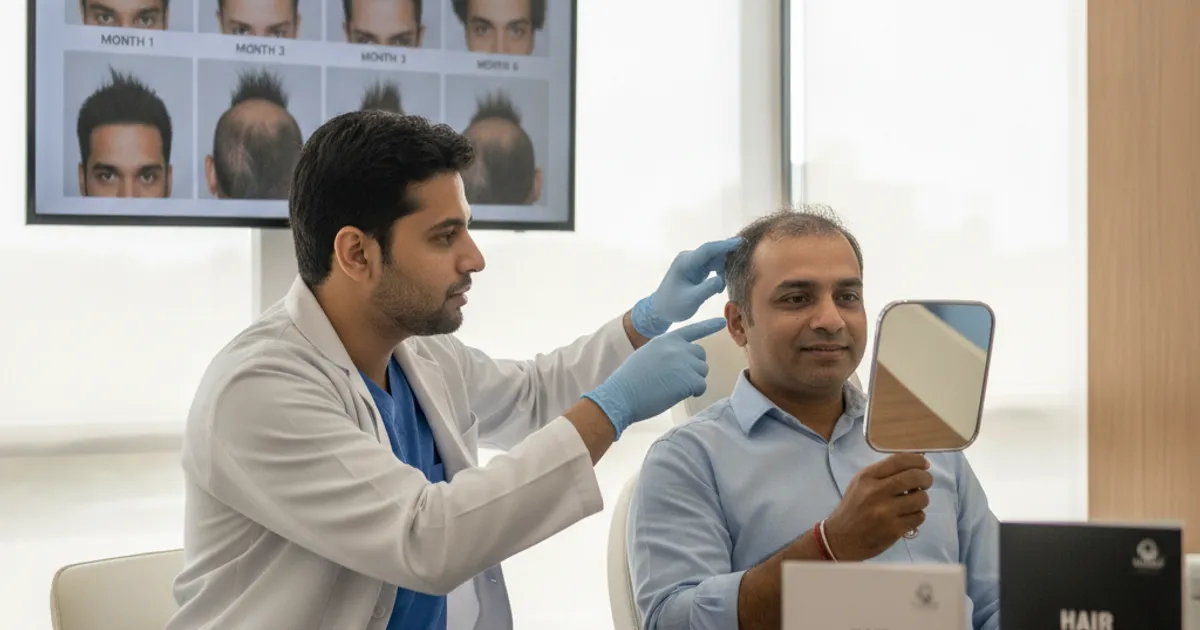
Tracking helps you stay realistic and spot any issues early. Take photos in the same lighting and angle every month. Note shedding, new growth, and density changes. This is a practical approach recommended by many clinics, though it is not a formal clinical protocol.
- Take monthly photos from front, top, and sides.
- Use a ruler or reference point to compare density.
- Keep a simple log of what you see each week.
- Share photos with your clinic at follow-ups.
What should you discuss with your surgeon about the timeline?
Because the timelines above are general and not validated against a specific database, it's important to have a conversation with your surgeon about what to expect. They can give you a more personalized timeline based on your graft count, hair type, and medical history. Ask about signs of complications, when to resume normal activities, and what growth milestones to look for. This helps set realistic expectations and reduces anxiety during the waiting period.
Frequently Asked Questions
Is it normal for transplanted hair to fall out?
Yes. Shock loss is expected in the first 2–8 weeks. The follicles remain intact and will produce new hair later. This is a common observation, not a validated statistic.
When can I expect full results?
Most people see final results at 12 to 18 months. Some may need a second procedure for added density. These timeframes are general estimates.
Can I speed up hair growth after a transplant?
You can't rush biology, but good aftercare, a healthy diet, and medications like minoxidil may support faster growth. Always consult your doctor before starting any medication.
What if I don't see growth by month 6?
Some people grow slower. Talk to your surgeon if you're concerned. They can assess graft survival and rule out issues. Do not rely solely on online timelines.
More Guides
- Hair Transplant and Blood Thinners: Safety and Timing
Can you have a hair transplant on blood thinners? Learn why they matter, which ones raise bleeding risk, how long to stop before surgery, and when to restart.
- Finasteride and PSA Testing: What You Need to Know
Finasteride lowers PSA levels, so your test results need careful interpretation. Learn how finasteride affects PSA, the adjustment factor, and what to tell your
- Can You Cure a Receding Hairline? What's Realistic
Can you cure a receding hairline? Learn what's realistic with medications, transplants, and lifestyle changes, plus expected results and costs.
- Minoxidil Hair Thinning Before Growth: Is It Normal?
Is minoxidil hair thinning before growth normal? Yes, it's a common sign the treatment is working. Learn why it happens, how long it lasts, and when to worry.