
Hair Transplant While on Accutane: Timing and Risks
Planning a hair transplant while on Accutane? Learn how long to wait, the risks, and a step-by-step timeline for safe surgery and recovery.
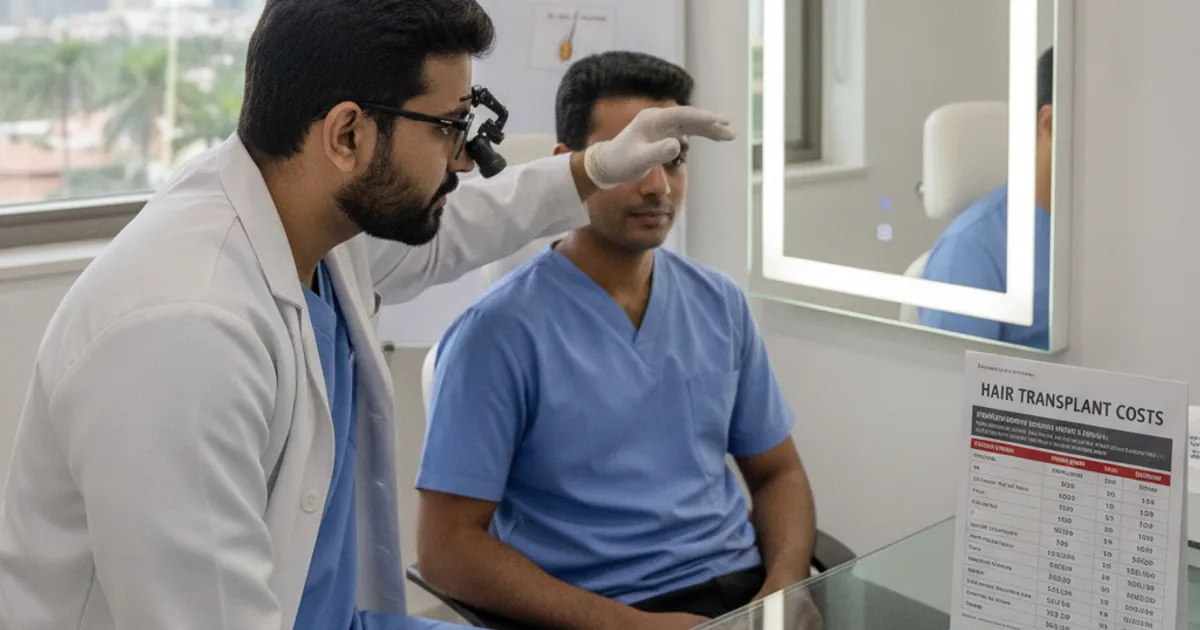
Hair Transplant While on Accutane: The Short Answer
If you're taking Accutane (isotretinoin) and wondering whether you can book a hair transplant, the short answer is no—not while you're on the medication. In general surgical practice, many surgeons advise waiting at least six months after your last dose before scheduling surgery, though this is a common guideline rather than a universal rule. Accutane affects skin healing, oil production, and blood vessel behavior, all of which can complicate a hair transplant. The good news is that with proper planning, you can still get a transplant safely once the drug is fully out of your system.
Why Accutane Affects Hair Transplant Timing
Accutane is a powerful retinoid that shrinks oil glands and alters skin turnover. While it's great for severe acne, it also makes your skin more fragile and slows wound healing. Hair transplant surgery creates many small wounds in the scalp (the exact number varies by case), and your body needs to repair them quickly to keep the grafts alive. If your skin is still under Accutane's influence, the healing process can be unpredictable.
- Reduced oil production can make the scalp dry and less resilient during surgery.
- Accutane can affect blood clotting and vessel health, potentially increasing bleeding during the procedure.
- Healing may be slower, raising the risk of infection or poor graft survival.
- Scarring can be more pronounced because the skin's remodeling phase is altered.
- Some patients experience hair shedding while on Accutane, which can confuse the picture of hair loss progression.
How Long Should You Wait After Stopping Accutane?
There's no single rule that fits everyone, but many hair restoration surgeons follow a conservative timeline. A common guideline in general surgical practice is to wait at least six months after your final Accutane dose before having a hair transplant. Some surgeons prefer a full year, especially if you were on a high dose or took the drug for a long time. Your dermatologist and surgeon can help you decide based on your skin's recovery. These timeframes are general guidance, not hard rules, and should be confirmed with your care team.
Risks of Having a Transplant While on Accutane
Going ahead with surgery while Accutane is still active in your system isn't worth the risk. The medication can interfere with every stage of healing, from the initial incision to the final scar maturation. Here's what could go wrong.
- Poor wound healing: The scalp may take longer to close, increasing infection risk.
- Graft failure: New hair follicles need a healthy blood supply; Accutane can compromise that.
- Excessive bleeding: Altered clotting can make surgery messier and harder for the surgeon.
- Wider scarring: The skin's repair process is disrupted, leading to more visible scars.
- Delayed recovery: Swelling, crusting, and redness may last longer than usual.
- Unpredictable results: You won't know if poor growth is due to the drug or the surgery itself.
Planning Your Transplant Around Accutane: A Step-by-Step Timeline
The key is to work backward from your desired surgery date. Accutane clearance from the body typically occurs over days to weeks, but skin recovery may take longer. Here's a practical timeline to follow, based on general guidance from surgical practice.
| Timeframe | Action |
|---|---|
| While on Accutane | Do not schedule a hair transplant. Focus on finishing your course and monitoring side effects. |
| Last dose | Note the exact date. This is your starting point for the waiting period. |
| 1–3 months after stopping | Skin may still be sensitive. Avoid elective surgery. Consult your dermatologist about skin recovery. |
| 3–6 months after stopping | Many surgeons consider the earliest safe window at six months. Begin consultations with hair transplant surgeons. |
| 6–12 months after stopping | Most surgeons will operate in this window, but some prefer a full year. Get clearance from your dermatologist and surgeon. |
| 12+ months after stopping | If you waited a year, you're likely well past the risk period. Proceed with surgery after a final check. |
What to Tell Your Surgeon Before Booking
Your surgeon can only make safe recommendations if they know your full medical history. Accutane use is a critical detail, even if you stopped months ago. Here's what to bring up during your consultation.
- The exact dates you started and stopped Accutane.
- The dose you were on and for how long.
- Any side effects you experienced, especially skin sensitivity or slow healing.
- Other medications or supplements you take, including vitamins.
- Your dermatologist's contact information so your surgeon can coordinate if needed.
- Any history of scarring or keloids, as Accutane can affect scar formation.
Aftercare and Recovery When You Have an Accutane History
Once you've waited the appropriate time and had your surgery, aftercare is crucial. Your skin may still be more sensitive than average, so treat it gently. Follow your surgeon's instructions to the letter and don't rush the healing process.
- Keep the scalp clean and moisturized as directed—dryness can be more pronounced after Accutane.
- Avoid direct sun exposure on the graft area for at least a few months; use a hat and sunscreen.
- Don't scratch or pick at scabs, even if they itch.
- Use gentle, fragrance-free shampoos and avoid harsh chemicals.
- Stay hydrated and eat a balanced diet to support healing.
- Attend all follow-up appointments so your surgeon can monitor progress.
Frequently Asked Questions
Can I have a hair transplant while still taking Accutane?
No. Most surgeons will not perform a hair transplant while you are on Accutane because the medication impairs wound healing and increases the risk of complications. A common guideline is to wait at least six months after your last dose, but this should be confirmed with your surgeon.
How long after Accutane can I get a hair transplant?
A frequently cited minimum wait is six months after your final dose. Some surgeons recommend up to a year, especially if you were on a high dose or have sensitive skin. These are general guidelines, not absolute rules—always follow your surgeon's advice.
Does Accutane cause permanent hair loss?
Accutane can cause temporary hair shedding in some people, but permanent hair loss is rare. If you experience shedding, it usually resolves after stopping the medication. However, if you have genetic hair loss, Accutane may not be the cause.
What should I do if I took Accutane years ago?
If it's been more than six months since your last dose, you're likely safe to proceed, but you should still inform your surgeon. They may ask for a skin check to ensure your scalp is healthy.
How Accutane and Hair Loss Interact Before Surgery
One thing patients often overlook is that Accutane can itself change your hair, and that matters when you're planning a transplant. Isotretinoin is associated with increased hair shedding in some people, and the drug can also affect hair texture and how dry or brittle strands become. This creates two problems for surgical planning. First, it can be hard to tell whether your hair loss is stable or still actively progressing while you're on the medication, and a transplant works best when the pattern of loss has settled. Second, if you're shedding from the drug, it's easy to mistake that for your underlying hair loss getting worse, which can push you toward surgery sooner than you need it.
The practical takeaway is to give your hair time to stabilize after you stop Accutane before committing to a transplant plan. Many surgeons want to see a reasonably steady pattern of loss, often assessed over several months, rather than a scalp that's still changing. If you have a diagnosis such as androgenetic alopecia, your surgeon will also want to understand how that condition is being managed, since a transplant doesn't stop ongoing genetic hair loss. Bringing your dermatologist's records and any photos showing how your hair has changed over time helps your surgeon judge whether waiting longer makes sense.
What to Expect at the Consultation and How Timing Gets Decided
There is no single test that proves your skin has fully recovered from Accutane, so the decision about timing is a clinical judgment rather than a lab result. Expect your surgeon to ask detailed questions and to look at your scalp directly. They may assess skin quality, dryness, sensitivity, and how you've healed from past cuts or procedures. Some surgeons will ask you to demonstrate that your skin has returned to a more normal baseline, for example that it no longer feels tight, flaky, or easily irritated, before they'll schedule.
- Your surgeon will likely confirm the exact stop date and dose of Accutane, and may contact your dermatologist or prescriber to verify details.
- They may ask about your skin's current behavior: how it responds to weather, skincare products, shaving, or minor injuries.
- They'll review your hair loss pattern and whether it appears stable, and discuss any ongoing treatments such as minoxidil or other therapies.
- They may build in a buffer beyond the minimum wait if your skin still seems sensitive, and set a review point before finalizing the date.
- You should expect to sign or verbally confirm that you've disclosed all medications, including any recent courses of retinoids.
Other Retinoids, Skincare, and Medications That Can Affect Timing
Accutane isn't the only thing that can influence how your scalp handles surgery, and patients are sometimes surprised that topical products and other prescriptions matter too. Prescription topical retinoids, such as tretinoin, are sometimes paused around surgery because they can make skin more sensitive, though guidance varies by surgeon. Over-the-counter retinol products are generally milder but still worth mentioning. Your surgeon will tell you what, if anything, to stop and how far in advance.
It's also worth flagging other medications and supplements that affect bleeding or healing, since these can compound the concerns that already exist with Accutane. Blood thinners, some pain relievers, and certain supplements are commonly reviewed before any surgery. If you take anything regularly, list it rather than assuming it's irrelevant. And if you're considering restarting Accutane for acne after your transplant, raise that with both your dermatologist and surgeon first, because the timing of a new course relative to your healing phase is a separate decision from the one you made before surgery.
Can I have a hair transplant if I took Accutane years ago?
In most cases a remote history of Accutane is not a barrier, but you should still tell your surgeon. They'll want the dates and dose and will check that your skin has returned to a normal baseline. If you finished treatment long ago and have no ongoing skin sensitivity, timing is usually less of a concern, but the final call rests with your care team.
Does a lower dose of Accutane mean I can have surgery sooner?
Not necessarily. Dose and duration both factor into how long your skin may take to recover, and surgeons vary in how conservative they are. A lower dose doesn't automatically shorten the wait, so discuss your specific regimen with your surgeon rather than adjusting the timeline yourself.
What happens if I don't tell my surgeon I took Accutane?
You lose the chance to have timing and aftercare tailored to your skin, and you raise the risk of poor healing, scarring, or grafts that don't take. Disclosure is one of the few things fully within your control, and it directly affects how safely your surgery can be planned.
Can I use minoxidil or other hair treatments while waiting?
Many patients continue non-surgical hair treatments during the waiting period, but which ones are appropriate depends on your situation and your surgeon's preferences. Ask before starting, stopping, or changing anything, and keep a simple list of what you're using to review at your consultation.
More Guides
- How Long After Finasteride Before a Hair Transplant?
Planning a hair transplant while on finasteride? Learn the typical waiting period, why timing matters, and how to coordinate with your surgeon for best results.
- Early Symptoms of Hair Loss: What to Watch For First
Learn the early symptoms of hair loss, how to track them, and when to see a specialist. Plan ahead with treatment options and costs.
- Alopecia Treatment: A Comprehensive Guide
A practical guide to alopecia treatment: types, diagnosis, medications, surgery, recovery timeline, and aftercare. Plan your hair restoration with confidence.
- Hair Loss Causes: What You Can and Can't Control
Understand hair loss causes, what's controllable, and how to plan a transplant. Practical guide to factors, aftercare, and when to see a specialist.