
How Long Do Hair Transplant Results Last Without Medication?
How long do hair transplant results last if you skip medication? A practical guide to transplanted hair longevity, aftercare, and planning for future loss.
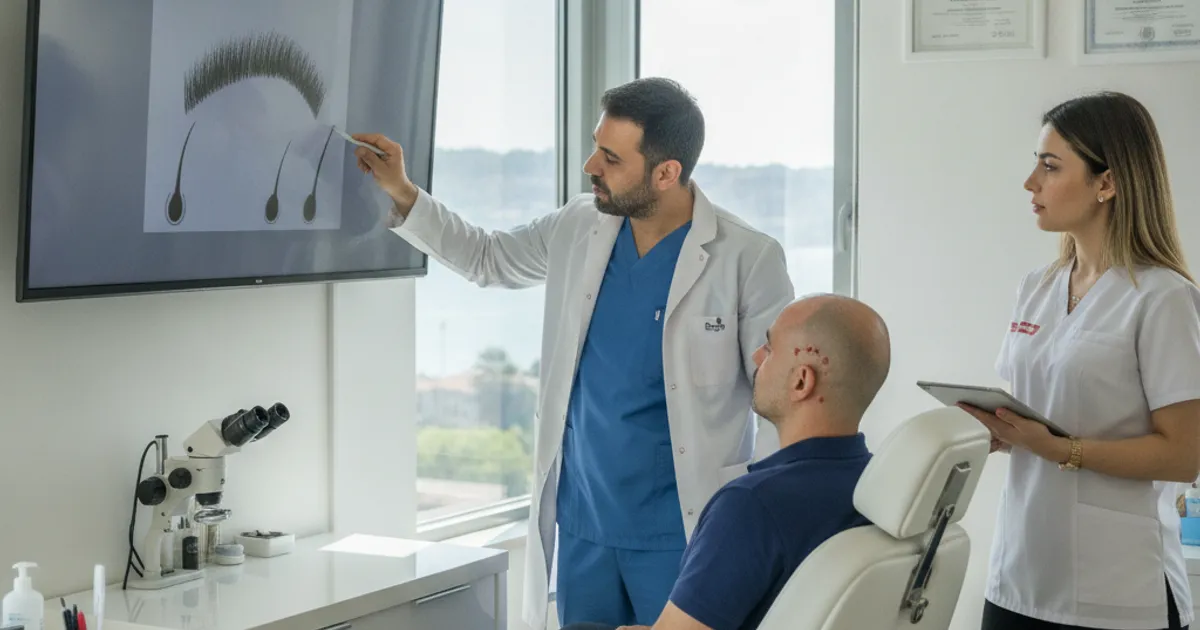
If you're considering a hair transplant, one of the most important questions to ask is: how long will the results actually last, especially if you don't take medication like finasteride or minoxidil? The honest answer is that it varies from person to person, but there are clear patterns. This guide breaks down what happens to transplanted hair over time, why it still thins, and how to plan your procedure with future loss in mind.
How Long Do Hair Transplant Results Last Without Medication?
Transplanted hair is typically taken from the back and sides of the scalp, where follicles are genetically resistant to male pattern baldness. Because of this, those hairs tend to survive for a long time—often many years or even decades—even without medication. However, the rest of your hair (the non-transplanted areas) can continue to thin. So while the transplanted hairs themselves may last, the overall look can change as surrounding hair recedes. Without medication, you might see the transplanted area remain relatively stable, but the contrast between thick grafts and thinning native hair can become more noticeable over time.
The Short Answer: It Depends on Your Hair Loss Pattern
There's no single timeline. Some people keep their transplanted hair for many years without any medication, while others see noticeable thinning in the transplanted area sooner. The key factor is your individual hair loss pattern and how aggressive it is. If you have stable, slow-progressing loss, your results will likely last longer. If your loss is rapid and widespread, even transplanted hair may eventually thin, though usually later than native hair. These are general patterns, not guarantees—your own outcome will depend on your genetics and how your body responds.
Why Transplanted Hair Is Different (and Why It Still Thins)
Hair follicles from the donor area (usually the back of the head) have a different genetic makeup. They are less sensitive to DHT, the hormone responsible for male pattern baldness. That's why they continue to grow when moved to the front. But they aren't completely immune. Over many years, even donor hair can miniaturize, especially if you have a strong family history of hair loss. Additionally, the shock of surgery and the natural aging process can affect hair density.
- Donor hair is genetically more resistant to DHT, but not completely immune.
- Transplanted follicles can still thin slowly over many years.
- Native hair around the grafts may continue to recede, creating a patchy look.
- Without medication, the contrast between transplanted and thinning hair becomes more obvious.
What Happens to Your Results Over Time Without Medication
In the first year after a transplant, you'll see the full result as transplanted hair grows in. After that, the timeline typically looks like this:
- Year 1–2: Transplanted hair is fully grown and stable; native hair may continue to thin slowly.
- Year 3–5: Early signs of native hair loss may become more noticeable around the grafts.
- Year 5–10: Some people see gradual thinning in the transplanted area, especially with aggressive loss patterns.
- Year 10+: Transplanted hair may remain, but density can decrease; a second procedure may be needed.
Factors That Affect How Long Results Last
Several variables influence the longevity of your transplant, regardless of medication:
- Genetics: Family history of hair loss plays a big role.
- Age at surgery: Younger patients may have more aggressive loss later.
- Donor hair quality: Thicker, denser donor hair lasts longer.
- Surgeon skill: Proper graft placement and handling affect survival.
- Lifestyle: Smoking, poor diet, and stress can accelerate hair loss.
- Overall health: Conditions like thyroid issues or anemia can impact hair.
Planning Your Transplant With Future Loss in Mind
A good surgeon will design your hairline and graft distribution to account for future loss. This means not placing grafts too low or too densely in areas that may recede further. It's also wise to preserve donor hair for a potential second procedure. Here's what to discuss during consultation:
- Your family history and expected pattern of loss.
- A conservative hairline that looks natural as you age.
- How many grafts are available for future sessions.
- The role of medication in preserving native hair.
- Realistic expectations for density and coverage.
Aftercare Without Medication: What You Can Do
If you choose not to use medication, you can still take steps to protect your investment. These won't stop genetic hair loss, but they can support overall hair health:
- Avoid smoking and excessive alcohol.
- Eat a balanced diet rich in protein, iron, and vitamins.
- Manage stress through exercise and sleep.
- Use gentle hair care products and avoid tight hairstyles.
- Consider low-level laser therapy or scalp massage (evidence is limited but safe).
- Have regular check-ups with a dermatologist to monitor changes.
When to Consider a Second Procedure
If you notice that the transplanted area is thinning or that new areas are receding, a second procedure can restore density. Most surgeons recommend waiting at least a year after the first transplant to assess full growth. Without medication, you may need a second session sooner than someone who is on a medical regimen. Signs it's time to talk to a surgeon include:
FAQ
Can I get a hair transplant without taking medication?
Yes, many people choose not to use medication. However, without medication, your native hair may continue to thin, which can affect the overall look. Transplanted hair itself is more resistant but not permanent.
How long do transplanted hairs last if I don't use finasteride?
Transplanted hairs can last for many years, but individual results vary. Some people see thinning in the transplanted area after a decade or more, especially if they have aggressive hair loss.
What happens if I stop medication after a transplant?
If you stop medication, you may experience accelerated loss of native hair, which can make the transplanted area look isolated. Transplanted hair may also thin slowly over time.
Is it worth getting a transplant if I won't take medication?
It can be worth it if you have realistic expectations and a stable donor area. A good surgeon will plan for future loss and may recommend a conservative approach.
How Medication Changes the Equation
Finasteride and minoxidil work by slowing or partially reversing the thinning of native hair, not by protecting transplanted hair. The main benefit of medication after a transplant is that it helps preserve the hair you already have, which keeps the overall result looking fuller and more balanced. Without medication, you rely on the natural resistance of donor follicles and the slower progression of your native hair loss. This section compares the two paths so you can make an informed choice.
- With medication: native hair loss is often slowed, reducing the contrast between grafts and surrounding hair; transplanted hair still ages naturally but the overall look remains more stable.
- Without medication: transplanted hair remains but native hair may recede, potentially creating a patchy or uneven appearance over time.
- Medication requires consistent, long-term use; stopping it typically leads to resumed thinning of native hair within months.
- Some patients cannot tolerate medication due to side effects; in that case, a conservative transplant plan and realistic expectations are essential.
- Medication does not eliminate the need for a second procedure in aggressive hair loss patterns, but it may delay it.
What to Expect at Each Stage: A Realistic Timeline
Understanding the normal course after surgery helps you distinguish expected changes from potential problems. The first few months involve healing and shock loss, followed by gradual growth. The timeline below outlines typical milestones without medication, though individual variation is significant.
- First 2–4 weeks: transplanted hairs may shed (shock loss); this is normal and temporary.
- Months 3–6: new growth begins; hair may appear thin and uneven.
- Months 6–12: density improves; the transplanted area becomes more defined.
- Year 1: full result is usually visible; native hair may continue to thin slowly.
- Years 2–5: transplanted hair remains stable; early signs of native hair loss may appear around grafts.
- Years 5–10: some gradual thinning in the transplanted area is possible, especially with aggressive loss patterns.
- Beyond 10 years: transplanted hair often persists, but density may decrease; a second procedure may be considered.
Common Questions Answered
Can I stop medication after my transplant and keep my results?
You can stop medication, but native hair that was being protected may begin to thin again. Transplanted hair is less dependent on medication, but the overall appearance may change as surrounding hair recedes. Discuss a plan with your surgeon before stopping.
Does transplanted hair ever fall out completely?
Transplanted hair is generally long-lasting because it comes from DHT-resistant donor areas. However, it is not immune to aging and can thin gradually over decades. Complete loss of all transplanted hair is uncommon but possible in aggressive cases.
How soon after a transplant can I color or chemically treat my hair?
Most surgeons advise waiting several weeks to a few months to allow the scalp and grafts to heal. Follow your surgeon's specific instructions, as timelines vary based on healing and the type of treatment.
Is it normal to see gaps between grafts?
Some unevenness can occur during the growth phase, but noticeable gaps after a year may indicate thinning or the need for additional grafts. Consult your surgeon if you are concerned.
Can I have a second transplant if I did not take medication after the first?
Yes, a second procedure is often possible if you have sufficient donor hair. Your surgeon will assess donor supply and the pattern of loss to determine the best approach.
More Guides
- How Long After Finasteride Before a Hair Transplant?
Planning a hair transplant while on finasteride? Learn the typical waiting period, why timing matters, and how to coordinate with your surgeon for best results.
- Early Symptoms of Hair Loss: What to Watch For First
Learn the early symptoms of hair loss, how to track them, and when to see a specialist. Plan ahead with treatment options and costs.
- Alopecia Treatment: A Comprehensive Guide
A practical guide to alopecia treatment: types, diagnosis, medications, surgery, recovery timeline, and aftercare. Plan your hair restoration with confidence.
- Hair Loss Causes: What You Can and Can't Control
Understand hair loss causes, what's controllable, and how to plan a transplant. Practical guide to factors, aftercare, and when to see a specialist.