
How Many PRP Sessions for Hair? A Clear Answer
How many PRP sessions for hair? Most people need 3–4 initial sessions, then maintenance every 3–6 months. Learn what affects your exact number.
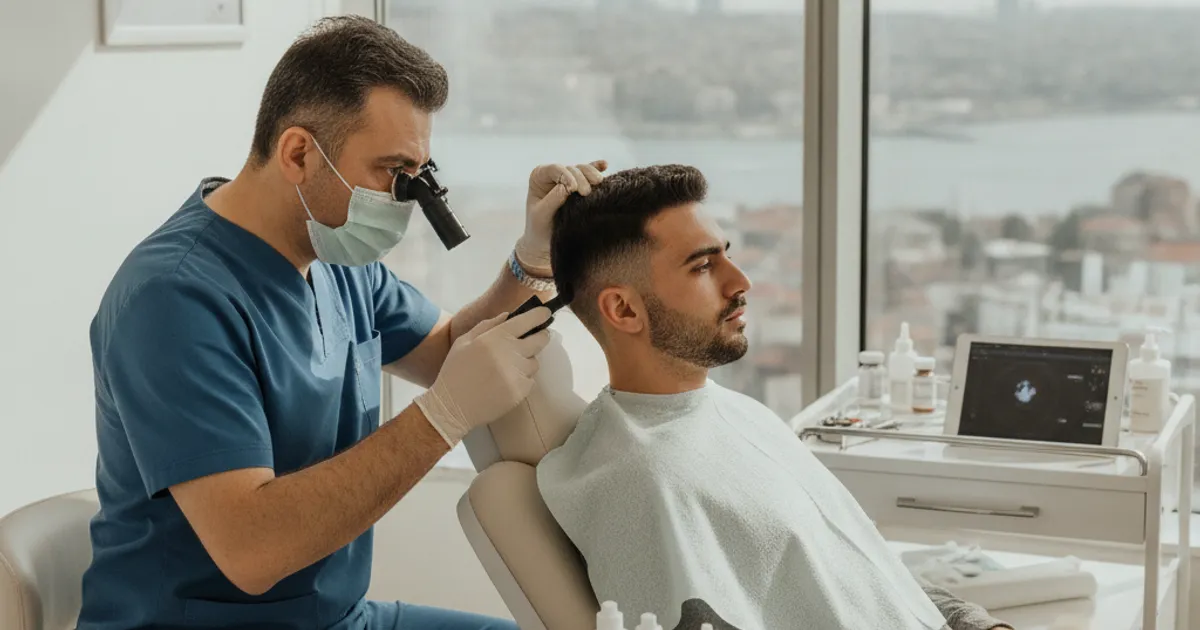
How Many PRP Sessions for Hair?
If you're considering platelet-rich plasma (PRP) for hair loss, the first practical question is usually: how many sessions will I actually need? The answer isn't one-size-fits-all, but there's a clear pattern most clinics follow. This guide walks through typical protocols, what influences your session count, and how to plan for the long term. Note: specific session counts and spacing vary by clinic and patient; the ranges below reflect common clinical practice, not a single verified database.
What Is PRP and How Does It Work for Hair Loss?
PRP stands for platelet-rich plasma. A small amount of your blood is drawn, spun in a centrifuge to concentrate the platelets and growth factors, then injected into the scalp. The goal is to stimulate hair follicles, improve blood supply, and slow down miniaturization. It's not surgery, and it's not a cure — it's a treatment that can thicken existing hair and support regrowth when used consistently.
- PRP uses your own blood — no foreign substances or donor material.
- It's minimally invasive: sessions typically take 30–60 minutes.
- Results build gradually over months, not days.
- Best results usually come when PRP is combined with other treatments like minoxidil or finasteride.
- PRP works best on early to moderate hair loss, not on completely bald areas.
How Many PRP Sessions Are Typically Recommended?
The standard protocol at most clinics is an initial series of 3 to 4 sessions, each about 4 weeks apart. After that, maintenance sessions are scheduled every 3 to 6 months. Some clinics recommend 4 initial sessions for more advanced thinning, while others start with 3 and adjust based on your response. These numbers are based on common clinical practice and may vary.
| Phase | Typical Number of Sessions | Spacing |
|---|---|---|
| Initial treatment | 3–4 sessions | Every 4 weeks |
| Maintenance | 1 session | Every 3–6 months |
| Booster (if needed) | 1–2 sessions | As advised by your clinic |
Does the Number of PRP Sessions Differ by Hair Loss Stage?
Yes. The earlier your hair loss, the fewer sessions you may need to see a response. Advanced hair loss often requires more sessions and realistic expectations — PRP can thicken existing hair but won't regrow hair on completely bald scalp.
Early Hair Loss
- ✓ Mild thinning at temples or crown
- ✓ Often responds within 2–3 sessions
- ✓ Maintenance every 6 months may be enough
Moderate to Advanced Hair Loss
- ✓ Visible thinning across larger areas
- ✓ May need 4 initial sessions plus boosters
- ✓ Maintenance every 3–4 months is common
- ✓ Best results when combined with medication
What Factors Influence How Many PRP Sessions You Need?
No two people respond exactly the same way. Several factors can shift your recommended session count up or down.
- Stage of hair loss — early thinning usually needs fewer sessions.
- Underlying cause — androgenetic alopecia, stress, or medical conditions respond differently.
- Age and overall health — younger, healthier patients often respond faster.
- PRP preparation method — some clinics use higher platelet concentrations.
- Consistency — skipping maintenance sessions can undo progress.
- Combination therapy — using PRP with minoxidil or finasteride often improves results and may reduce the number of sessions needed.
How Often Are PRP Sessions Scheduled?
The schedule is fairly standard across most clinics, but your provider may adjust it based on your response. Typical steps include:
- Step 1: Initial consultation and blood test (if needed).
- Step 2: First PRP session — usually 30–60 minutes.
- Step 3: Repeat every 4 weeks for 3–4 sessions.
- Step 4: Assess results at 3–4 months.
- Step 5: Move to maintenance every 3–6 months.
How Many PRP Sessions for Hair: Maintenance and Long-Term Planning
PRP isn't a one-and-done treatment. Hair loss is ongoing, so maintenance is part of the plan. Most people need 1–2 maintenance sessions per year to hold onto results. If you stop completely, hair loss will likely resume its original pattern.
- Plan for maintenance every 3–6 months after the initial series.
- Some people stretch to every 6 months if results are strong.
- Budget for ongoing sessions — PRP is usually not covered by insurance.
- Take photos every 3 months to track progress objectively.
- If you see shedding between sessions, tell your clinic — they may adjust the schedule.
How to Choose a Clinic for PRP Hair Treatment
The number of sessions matters, but so does who performs them. Look for a clinic with experience in hair restoration, clear before-and-after photos, and a protocol that includes a consultation and follow-up. Ask how they prepare PRP, how many sessions they typically recommend, and what results you can realistically expect.
Frequently Asked Questions About PRP Sessions for Hair
How many PRP sessions for hair do I need to see results?
Most people notice early changes after 2–3 sessions, with more visible improvement after 4–6 months. The full initial series is usually 3–4 sessions. These are typical ranges, not guarantees.
Can I have too many PRP sessions?
There's no strict upper limit, but more isn't always better. Follow your clinic's protocol — typically 3–4 initial sessions, then maintenance every 3–6 months.
How long do PRP results last?
Results can last several months, but maintenance sessions are needed to keep them. Without maintenance, hair loss typically progresses again.
Is PRP painful?
Most people describe it as mild discomfort. Clinics often use numbing cream or local anesthetic to make it more comfortable.
More Guides
- Hair Transplant and Blood Thinners: Safety and Timing
Can you have a hair transplant on blood thinners? Learn why they matter, which ones raise bleeding risk, how long to stop before surgery, and when to restart.
- Finasteride and PSA Testing: What You Need to Know
Finasteride lowers PSA levels, so your test results need careful interpretation. Learn how finasteride affects PSA, the adjustment factor, and what to tell your
- Can You Cure a Receding Hairline? What's Realistic
Can you cure a receding hairline? Learn what's realistic with medications, transplants, and lifestyle changes, plus expected results and costs.
- Minoxidil Hair Thinning Before Growth: Is It Normal?
Is minoxidil hair thinning before growth normal? Yes, it's a common sign the treatment is working. Learn why it happens, how long it lasts, and when to worry.