
How to Do a Hair Pull Test at Home: Step-by-Step Guide
Learn how to do a hair pull test at home correctly. Step-by-step instructions, how to read results, common mistakes, and when to see a professional.
What Is a Hair Pull Test?
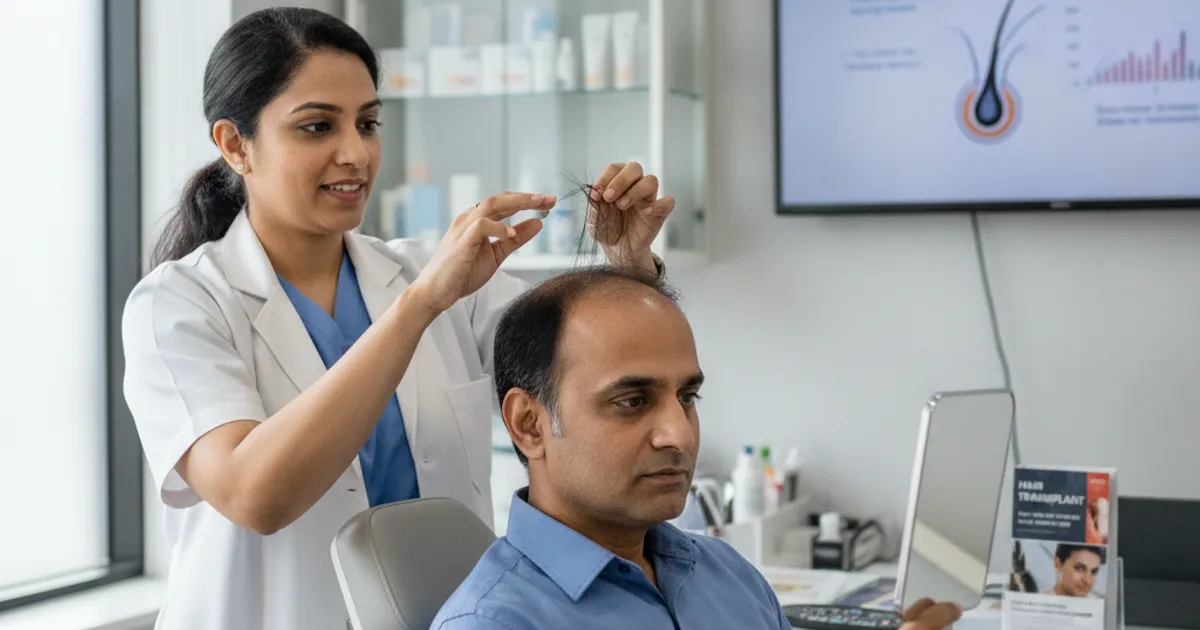
A hair pull test is a simple way to check how much hair you're shedding. You gently pull on a small section of hair and count how many strands come out. It's not a diagnosis, but it gives you a rough idea of whether your shedding is normal or worth investigating. Dermatologists use it in clinics, but you can do a basic version at home with dry hair and a little patience.
- It measures active shedding, not permanent hair loss.
- Normal shedding is roughly 50–100 hairs per day, but the pull test looks at a small sample.
- Results can vary depending on where you pull, how you pull, and when you last washed your hair.
- It's a screening tool, not a substitute for a professional exam.
When Should You Do a Hair Pull Test at Home?
You don't need to do this test every day. It's most useful when you notice a change in your hair. Maybe your shower drain looks fuller, your brush fills up faster, or your part seems wider. That's when a pull test can help you decide whether to monitor things or book a professional opinion.
- You're seeing more hair than usual on your pillow or in the shower.
- You've recently changed medications, diet, or stress levels.
- You're considering hair transplant surgery and want a baseline.
- You've been told by a stylist or doctor that your hair looks thinner.
- You want to track shedding over time before and after a treatment.
What You Need Before You Start
Keep it simple. You don't need special tools. Just make sure your hair is dry and has not been washed for at least 24 hours. That gives you a more accurate read on natural shedding. Avoid testing right after washing, since you've already shed a lot in the shower.
- Dry hair (no products, no oils, no leave-in conditioners).
- A mirror you can use comfortably.
- Good lighting — natural daylight works best.
- A comb or brush to separate a small section.
- A notepad or phone to record how many hairs come out.
- A calm moment when you're not rushed.
Step-by-Step: How to Do the Hair Pull Test Correctly
Follow these steps in order. Don't rush, and don't pull hard. The goal is a gentle, consistent tug — not a yank.
- Step 1: Wash your hands and make sure your hair is completely dry. If you washed your hair today, wait until tomorrow.
- Step 2: Find a well-lit area with a mirror. Natural daylight is best so you can see the hairs clearly.
- Step 3: Use a comb or your fingers to separate a small section of hair — about 1 inch wide — near the crown of your head.
- Step 4: Hold the base of the section close to your scalp with one hand. With the other hand, gently run your thumb and index finger along the strands from base to tip.
- Step 5: Count how many hairs come out in your hand. Place them on a white surface like a tissue or sink for easy counting.
- Step 6: Repeat the same gentle pull on three or four different spots on your scalp: front, sides, crown, and back.
- Step 7: Record the number of hairs from each spot. Note the date and any recent changes (stress, diet, medication).
- Step 8: Take a photo of the hairs if you want a visual record. This helps you compare results over time.
That's it. The whole thing takes a few minutes. The key is consistency — same spots, same technique, same time of day if possible.
How to Read Your Results
The number of hairs that come out tells you something, but context matters. A few hairs is normal. A lot of hairs from multiple spots is a signal to look closer. Here's a general guide, but remember: everyone sheds differently. These bands are not strict clinical thresholds — they're a practical way to interpret your at-home test.
| Hairs Pulled | What It Usually Means | What to Do |
|---|---|---|
| 0–2 hairs per spot | Normal shedding | No action needed. Recheck in a few weeks. |
| 3–5 hairs per spot | Mild shedding (general guidance) | Monitor for a week. Note any triggers like stress or diet. |
| 6+ hairs per spot | Active shedding (often considered a positive pull test) | Repeat the test in 2–3 days. If it stays high, see a professional. |
| Varies widely between spots | Inconsistent technique or localized issue | Re-test with the same method. If one area is much higher, mention it to a doctor. |
- One high result doesn't mean you're going bald. Shedding fluctuates.
- Some people notice more shedding in autumn, but evidence on seasonal patterns is mixed.
- Recent illness, surgery, or extreme stress can cause temporary shedding.
- If you're already treating hair loss, a pull test can help track progress.
Common Mistakes That Skew Your Results
A lot of people get misleading numbers because of small errors. Avoid these to get a clearer picture.
- Testing on wet hair — wet hair stretches and breaks more easily.
- Pulling too hard — you'll pull out hairs that wouldn't have shed naturally.
- Testing right after washing — you've already shed a lot in the shower.
- Using the same spot every time — you need a fresh area each test.
- Not counting accurately — guesswork defeats the purpose.
- Testing when you're stressed or rushed — you'll likely pull harder without realizing.
- Ignoring recent changes — new medication, diet, or illness can affect results.
What to Do After the Test: Planning Your Next Steps
The pull test is just one data point. Use it to decide what to do next. If your results are normal, you can relax and recheck in a month. If they're high, don't panic — but do take action.
- Don't start any treatment without a proper diagnosis.
- Lifestyle changes — sleep, diet, stress management — can reduce temporary shedding.
- If you're a candidate for a transplant, a surgeon will assess donor hair and pattern.
- Keep tracking your shedding monthly to see if interventions help.
When to See a Professional Instead
The at-home pull test has limits. It can't tell you why you're shedding or whether you have a condition like alopecia areata, telogen effluvium, or androgenetic alopecia. If you're worried, get a proper evaluation.
- You're losing hair in patches or clumps.
- Your scalp is itchy, painful, or inflamed.
- You've noticed thinning at the crown or hairline that's getting worse.
- The pull test consistently shows high shedding for more than a few weeks.
- You have other symptoms like fatigue, weight changes, or skin issues.
- You're considering a hair transplant and want to know if you're a good candidate.
Frequently Asked Questions
How many hairs should come out in a normal hair pull test?
Typically, 0–2 hairs per small section is considered normal. If you pull 3–5, that's mild shedding. More than 6 from multiple spots suggests active shedding and is worth investigating with a doctor.
Can I do a hair pull test on wet hair?
No. Wet hair is more fragile and stretches, which can give false results. Always test on dry, unwashed hair for accuracy.
How often should I do a hair pull test?
There's no strict rule, but doing it too often isn't helpful. If you're tracking a specific concern, test every few days for a couple of weeks, then space it out. Frequent pulling can cause unnecessary manipulation, so give your scalp a break between tests.
Does a positive pull test mean I'm going bald?
Not necessarily. Many things cause temporary shedding, including stress, illness, and seasonal changes. A positive test just means you're shedding more than usual right now. See a professional to find out why.
How the Hair Pull Test Compares to Other At-Home Checks
The hair pull test is just one of several ways to assess shedding at home. Each method gives you different information, and using more than one can help you build a clearer picture over time.
- Hair pull test: Counts how many hairs come out with a gentle tug from a small section. Good for a quick snapshot of active shedding.
- 60-second hair count: Comb your hair from back to front for 60 seconds over a towel or sink, then count the hairs. This gives a broader estimate of daily shedding.
- Part-width check: Take a photo of your part in the same lighting and angle each month. Widening over time can suggest progressive thinning, even if shedding seems normal.
- Pillowcase count: Count hairs on your pillow in the morning for a few days. This is crude but can reveal patterns, especially if you notice more than usual.
- Shower drain observation: Loosely monitor how much hair collects in the drain. It's not precise, but a sudden increase is worth noting.
No single at-home method is definitive. The pull test shines when you want a repeatable, low-effort check. The 60-second count may better reflect your overall daily shedding. Combining a monthly pull test with periodic photos and a 60-second count gives you a more reliable trend than any one test alone.
What the Pull Test Can and Cannot Tell You
Understanding the limits of the pull test helps you interpret your results without overreacting or missing something important.
- Can tell you: Whether you're shedding more than usual at a given moment, and whether that shedding is diffuse or localized.
- Can tell you: How your shedding changes over time, especially before and after starting a treatment.
- Cannot tell you: The cause of shedding (e.g., hormonal, nutritional, stress-related, or genetic).
- Cannot tell you: Whether you have a specific condition like androgenetic alopecia, telogen effluvium, or alopecia areata.
- Cannot tell you: Your donor hair quality or candidacy for a hair transplant.
- Cannot tell you: Whether hair loss is permanent or temporary.
In short, the pull test is a screening tool, not a diagnostic one. It flags that something may be worth investigating, but it doesn't explain why. That's why a professional evaluation—especially if you're considering treatment or surgery—is the logical next step when results are consistently high or you notice other symptoms.
Frequently Asked Questions About the Hair Pull Test
How often should I do the hair pull test?
Once a month is usually enough for tracking. Doing it more often can be misleading because normal shedding fluctuates day to day. If you're monitoring a specific concern, your doctor may suggest a different schedule.
Can I do the test on wet hair?
No. Wet hair stretches and breaks more easily, which can inflate the count. Always test on dry hair that hasn't been washed for at least 24 hours.
What if I get different numbers each time?
That's normal. Shedding varies with washing frequency, stress, season, and other factors. Look at the trend over several tests rather than a single result.
Does a high pull test mean I'm going bald?
Not necessarily. A high count suggests increased shedding, which can be temporary (e.g., after illness or stress) or a sign of an underlying issue. It's a reason to investigate, not a verdict.
Can the pull test detect early hair loss?
It can detect increased shedding, which may precede visible thinning. However, it won't detect miniaturization or pattern hair loss on its own. A dermatologist can assess those with other tools.
Should I stop using hair products before the test?
Yes. Oils, gels, and leave-in conditioners can make hair clump and affect how easily strands come out. Test on clean, product-free hair for the most reliable results.
More Guides
- How Long After Finasteride Before a Hair Transplant?
Planning a hair transplant while on finasteride? Learn the typical waiting period, why timing matters, and how to coordinate with your surgeon for best results.
- Early Symptoms of Hair Loss: What to Watch For First
Learn the early symptoms of hair loss, how to track them, and when to see a specialist. Plan ahead with treatment options and costs.
- Alopecia Treatment: A Comprehensive Guide
A practical guide to alopecia treatment: types, diagnosis, medications, surgery, recovery timeline, and aftercare. Plan your hair restoration with confidence.
- Hair Loss Causes: What You Can and Can't Control
Understand hair loss causes, what's controllable, and how to plan a transplant. Practical guide to factors, aftercare, and when to see a specialist.