
Hair Loss After Bariatric Surgery: Prevention & Treatment
Learn why hair loss happens after bariatric surgery, how to prevent it, and whether a hair transplant is suitable. Includes treatment options and FAQs.
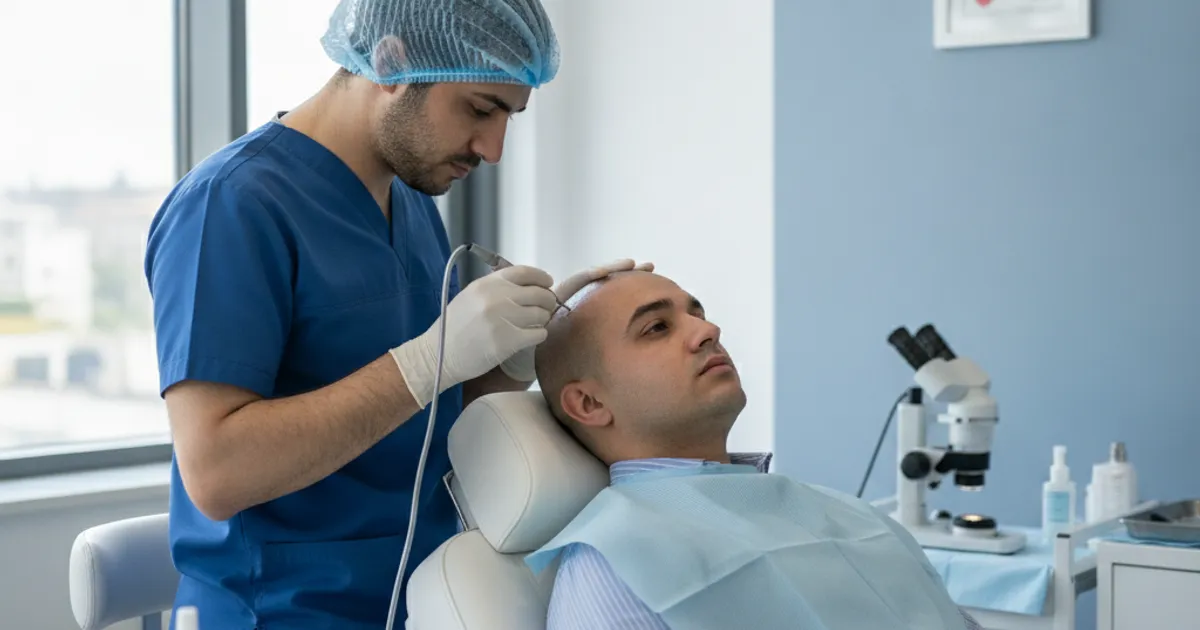
What Is Post-Bariatric Surgery Hair Loss?
Post-bariatric surgery hair loss is a common type of temporary shedding that happens after weight-loss procedures like gastric bypass, sleeve gastrectomy, or duodenal switch. It usually starts a few months after surgery and is linked to rapid weight loss, nutritional deficiencies, and the physical stress of the operation. The medical term for this kind of shedding is telogen effluvium. It is not the same as male or female pattern baldness, although it can unmask or speed up genetic hair thinning in people who are already prone to it.
Why Hair Loss Happens After Bariatric Surgery
The hair growth cycle has three main phases: anagen (growth), catagen (transition), and telogen (resting). When your body goes through a major stress event like surgery and rapid weight loss, a large number of hair follicles can be pushed into the telogen phase at the same time. A few months later, those hairs fall out together. Several factors combine to cause this after bariatric surgery:
- Rapid weight loss: Losing a lot of weight quickly is a shock to the system and can trigger shedding.
- Nutritional deficiencies: Reduced food intake and altered absorption can lead to low levels of iron, zinc, vitamin B12, vitamin D, folate, and protein — all important for hair growth.
- Surgical stress: Any major operation can cause telogen effluvium.
- Hormonal changes: Weight loss affects hormones like insulin and estrogen, which can influence hair cycling.
- Reduced calorie and protein intake: Hair is made of protein, and not getting enough can weaken hair and slow regrowth.
Symptoms and Timeline: What to Expect
The pattern of hair loss after bariatric surgery is fairly predictable. Most people notice increased shedding between 3 and 6 months after surgery. You might see more hair in your brush, on your pillow, or in the shower. The hair often thins all over the scalp rather than in one patch. It can also affect eyebrows and body hair, though this is less common. The shedding usually peaks around month 4 and then gradually slows down. Regrowth typically starts by month 6 to 9, but it can take up to a year for hair to return to its normal thickness.
- Increased shedding during brushing, washing, or styling
- Diffuse thinning across the scalp, not just at the temples or crown
- Hair feels thinner and less voluminous
- Possible changes in hair texture (dryer, more brittle)
- Shedding starts 3–6 months after surgery
- Regrowth begins 6–12 months after surgery in most cases
| Timeline | What's Happening |
|---|---|
| 0–3 months after surgery | Hair may still look normal; shedding has not started yet. |
| 3–6 months | Noticeable shedding begins and peaks. Hair thins diffusely. |
| 6–9 months | Shedding slows down; fine regrowth may appear. |
| 9–12 months | Hair density improves; regrowth becomes more visible. |
| 12–18 months | Most people see significant recovery if nutrition is optimized. |
How Post-Bariatric Hair Loss Is Diagnosed
A doctor or dermatologist can usually diagnose post-bariatric hair loss based on your medical history and a physical exam. They will ask about your surgery date, weight loss, diet, and any supplements you take. They may also check for other causes of hair loss, such as thyroid problems, iron deficiency, or genetic pattern baldness. In some cases, blood tests are ordered to check levels of ferritin, vitamin B12, vitamin D, zinc, and thyroid hormones. A pull test or scalp biopsy may be done if the diagnosis is unclear.
- Medical history: surgery type, date, weight loss speed, diet, supplements
- Physical exam: look at pattern and extent of thinning
- Blood tests: ferritin, CBC, vitamin B12, vitamin D, zinc, TSH
- Pull test: gently pulling a small group of hairs to see how many come out
- Scalp biopsy: rarely needed, but can rule out other conditions
Treatment Options to Prevent and Slow Hair Loss
The first line of defense is correcting nutritional deficiencies and optimizing your diet. Your bariatric team will likely recommend specific supplements, including iron, vitamin B12, vitamin D, calcium, and a multivitamin. Protein is especially important — aim for the protein target your surgeon or dietitian set for you. Beyond nutrition, several treatments can help slow hair loss and support regrowth. These include topical minoxidil, prescription finasteride (for men), and platelet-rich plasma (PRP) injections. Low-level laser therapy and biotin supplements are also sometimes used, though evidence for biotin is mixed unless you are deficient.
- Optimize nutrition: protein, iron, zinc, vitamin B12, vitamin D, folate
- Take bariatric-specific supplements as directed by your team
- Topical minoxidil: helps stimulate hair growth and slow shedding
- Finasteride: prescription oral medication for male pattern hair loss; not for women of childbearing age
- PRP injections: platelet-rich plasma can support follicle health
- Low-level laser therapy: may improve hair density in some people
- Gentle hair care: avoid tight hairstyles, harsh chemicals, and excessive heat
| Treatment | How It Works | Best For |
|---|---|---|
| Nutritional correction | Replenishes iron, zinc, B12, vitamin D, protein | All post-bariatric patients |
| Minoxidil (topical) | Increases blood flow to follicles, prolongs growth phase | Diffuse thinning, early stages |
| Finasteride (oral) | Blocks DHT, reduces hair loss from male pattern baldness | Men with genetic hair loss |
| PRP injections | Growth factors stimulate follicle activity | Mild to moderate thinning |
| Low-level laser therapy | Light energy may boost follicle metabolism | Adjunct therapy |
Is a Hair Transplant Suitable After Bariatric Surgery?
A hair transplant can be an option for some people after bariatric surgery, but timing is critical. Because post-bariatric hair loss is often temporary, most surgeons recommend waiting at least 12 to 18 months after surgery before considering a transplant. You also need to have stabilized your weight and corrected any nutritional deficiencies. If your hair loss is due to telogen effluvium and is still active, a transplant may not be appropriate because the underlying cause is still present. A transplant works best for permanent hair loss, such as male or female pattern baldness, that persists after the temporary shedding resolves. If you have genetic hair loss that was unmasked by surgery, a transplant may be a good long-term solution once your health is stable.
- Wait at least 12–18 months after bariatric surgery
- Ensure weight has stabilized for several months
- Correct all nutritional deficiencies first
- Confirm hair loss is not still actively shedding
- Best candidates have permanent pattern baldness, not just telogen effluvium
- A transplant does not stop future hair loss; you may still need medication
Frequently Asked Questions
How long does hair loss last after bariatric surgery?
Shedding usually starts 3–6 months after surgery, peaks around month 4, and gradually slows down. Most people see regrowth within 6–12 months, but full recovery can take up to 18 months.
Can I prevent hair loss after bariatric surgery?
You can reduce the risk by following your post-op diet, meeting protein goals, and taking all recommended supplements. Some hair loss may still happen because of the rapid weight loss and surgical stress, but good nutrition gives your hair the best chance to recover.
Is hair loss after bariatric surgery permanent?
In most cases, it is temporary. However, if you have underlying genetic hair loss, the shedding may unmask it and the loss could become permanent without treatment.
What supplements help with hair loss after bariatric surgery?
Iron, zinc, vitamin B12, vitamin D, folate, and a bariatric-specific multivitamin are commonly recommended. Protein intake is also crucial. Always follow your surgeon's or dietitian's guidance.
Can I use minoxidil after bariatric surgery?
Topical minoxidil is generally considered safe after bariatric surgery, but you should ask your doctor first. It can help slow shedding and stimulate regrowth.
When can I get a hair transplant after bariatric surgery?
Most surgeons recommend waiting at least 12–18 months after surgery, once your weight has stabilized and nutritional deficiencies are corrected. You should also be sure the active shedding has stopped.
Does hair loss after bariatric surgery affect women more than men?
It affects both men and women, but women may be more likely to notice and report it. The underlying causes are similar.
Nutritional Strategies to Protect Your Hair
After bariatric surgery, your stomach is smaller and your digestive tract absorbs nutrients differently. This makes it harder to meet your hair's nutritional needs through food alone. A proactive approach can help minimize shedding and support regrowth.
- Prioritize protein at every meal: Aim for the protein target set by your dietitian, typically around 60–80 grams per day, but this varies by individual. Good sources include lean meats, fish, eggs, dairy, legumes, and protein supplements.
- Take bariatric-specific supplements consistently: These usually include a multivitamin with minerals, iron (with vitamin C to enhance absorption), vitamin B12 (often sublingual or injectable), vitamin D, calcium citrate, and sometimes zinc. Follow your team's recommendations exactly.
- Monitor iron and ferritin levels: Iron deficiency is common after bariatric surgery, especially in menstruating women. Low ferritin (stored iron) can contribute to hair shedding even before anemia develops. Ask your doctor to check ferritin, not just hemoglobin.
- Consider zinc and biotin: Zinc deficiency can cause hair loss, and some patients may need supplementation. Biotin is often marketed for hair, but unless you have a deficiency, evidence for benefit is limited. Always discuss with your healthcare provider before adding new supplements.
- Stay hydrated: Dehydration can worsen hair brittleness. Aim for at least 64 ounces of fluids daily, sipped slowly throughout the day.
Comparing Treatment Options: What Works and What to Expect
When it comes to treating post-bariatric hair loss, not all options are equal. Here's a practical comparison of the most commonly discussed treatments, based on general medical understanding.
- Topical minoxidil: FDA-approved for androgenetic alopecia but often used off-label for telogen effluvium. It can help stimulate regrowth and slow shedding. Requires consistent daily use; results take several months. Side effects may include scalp irritation.
- Oral minoxidil: Sometimes prescribed off-label at low doses. More convenient than topical but requires medical supervision due to potential systemic effects.
- Finasteride: Only for men with genetic hair loss. Not for women of childbearing age. Takes months to show effect and requires ongoing use.
- Platelet-rich plasma (PRP): Involves injections of your own platelet-rich plasma into the scalp. Evidence is mixed but some studies show improved hair density. Requires multiple sessions and maintenance. Cost and availability vary.
- Low-level laser therapy (LLLT): Devices like caps or combs. Some evidence supports modest improvement in hair density for pattern baldness, but evidence for telogen effluvium is limited. Requires regular use.
- Hair transplant: Best for permanent, localized hair loss (e.g., receding hairline). Not suitable for active, diffuse shedding. Requires stable weight and nutritional status.
Realistic expectations are key: no treatment works overnight. Most hair regrowth takes months, and consistency is crucial. Also, treating the underlying cause—nutritional deficiencies and rapid weight loss—is more important than any single hair product.
Frequently Asked Questions
Will my hair grow back after bariatric surgery?
In most cases, yes. Post-bariatric hair loss is usually temporary telogen effluvium. Once your weight stabilizes and nutritional deficiencies are corrected, regrowth typically begins within 6 to 12 months. However, if you have underlying genetic hair loss, the shedding may unmask permanent thinning.
Can I prevent hair loss after bariatric surgery?
You can't always prevent it completely, but you can reduce its severity. Focus on meeting protein goals, taking recommended supplements, and monitoring nutrient levels. Early intervention with your bariatric team can help.
When should I see a doctor about hair loss?
If shedding is severe, prolonged beyond 12 months, or accompanied by other symptoms like fatigue, brittle nails, or unusual weight changes, see your doctor. They can check for deficiencies or other causes.
Is it safe to use minoxidil after bariatric surgery?
Topical minoxidil is generally considered safe, but consult your surgeon or dermatologist first. They can confirm it won't interact with your post-op regimen and that your nutritional status is adequate.
How long should I wait before considering a hair transplant?
Most surgeons recommend waiting at least 12 to 18 months after bariatric surgery, until your weight has stabilized and any nutritional deficiencies are corrected. A transplant is best for permanent hair loss, not active shedding.
More Guides
- Hair Loss After Weight Loss Surgery: Timeline & Fixes
Hair loss after weight loss surgery is common. Learn the timeline, causes, treatments like minoxidil and PRP, and whether a hair transplant is right for you.
- Stress-Related Hair Loss: Recovery Time and Treatment
How long does stress-induced hair loss take to recover? Learn about telogen effluvium, diagnosis, treatments, and when a transplant may help.
- Female Hair Loss at the Back of the Head: Causes & Fixes
Learn why women lose hair at the back of the head, how it's diagnosed, and the best treatment options including minoxidil, PRP, and hair transplant suitability.
- Wellbutrin and Hair Loss: What You Need to Know
Learn how Wellbutrin may cause hair loss, how it's diagnosed, and what treatments—including hair transplant—can help you regrow hair.