
Male Hair Transplant: What Every Man Should Know
A practical guide to male hair transplant planning and recovery: candidacy, FUE vs FUT, costs by stage, week-by-week aftercare, and clinic vetting tips.
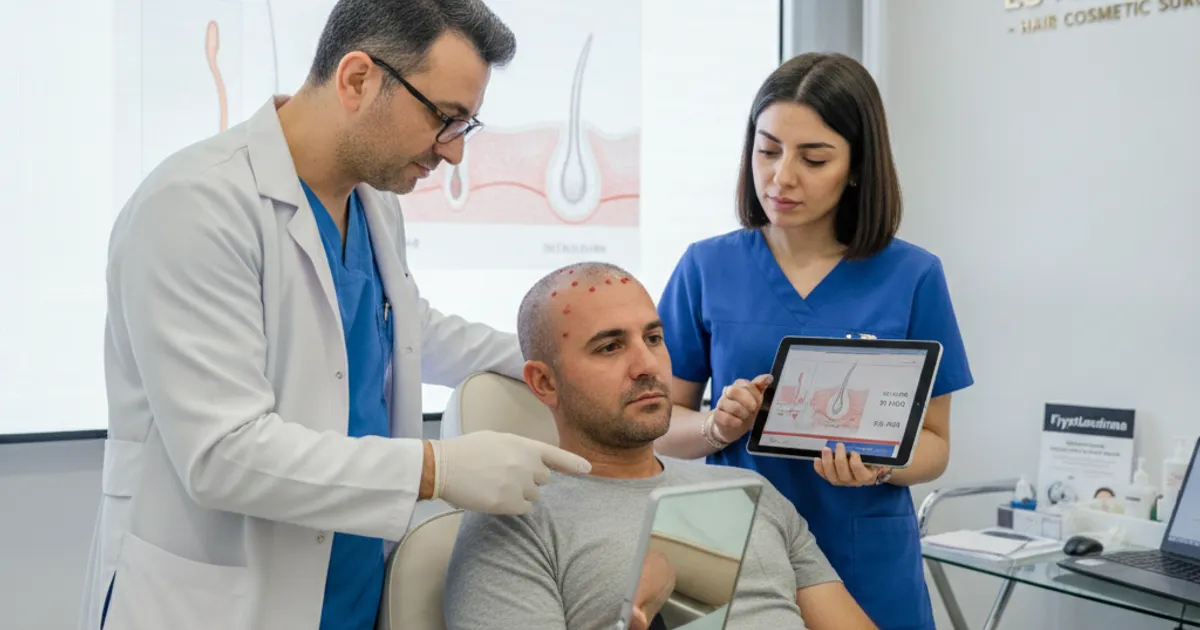
What a Male Hair Transplant Actually Does
A male hair transplant moves hair follicles from a donor area — usually the back and sides of the scalp — to thinning or bald spots. The relocated follicles keep their original genetic programming, so they tend to grow permanently in the new location. It does not create new hair; it redistributes what you already have. That is why surgeons talk about donor supply and graft counts rather than miracle regrowth. The goal is density and a natural hairline, not a full head of teenage hair.
- Redistributes your own hair — no donor hair means no transplant.
- Works best for stable or slowly progressing hair loss.
- Creates a permanent result, but native hair can still thin over time.
- Requires a skilled surgeon to avoid an unnatural hairline or wasted grafts.
Who Is a Good Candidate (and Who Should Wait)
The best candidates are men with realistic expectations, good donor density, and hair loss that has stabilized or is managed with medication. Age matters less than stability. A 25-year-old with aggressive diffuse thinning may be a poor candidate because the hairline design could look odd as loss progresses. A 45-year-old with a stable crown and solid donor area is often a straightforward case. Your surgeon should assess donor supply, scalp laxity, and family history before quoting graft numbers.
- Good donor density at the back and sides of the scalp.
- Hair loss that has been stable for a sustained period, or is controlled with medication.
- No active scalp infection, uncontrolled diabetes, or bleeding disorders.
- Realistic expectations about density, healing, and long-term maintenance.
- Willingness to use medication (if recommended) to protect native hair.
FUE vs. FUT: The Two Main Techniques
Follicular unit extraction (FUE) removes individual grafts with a small punch, leaving tiny dot scars. Follicular unit transplantation (FUT) removes a strip of scalp from the donor area and dissects it into grafts, leaving a linear scar. FUE is popular for shorter hairstyles and smaller sessions; FUT can often yield more grafts in a single session and may suit larger cases. Neither is universally better — the right choice depends on your donor area, hairstyle, and surgeon preference.
| Factor | FUE | FUT |
|---|---|---|
| Scarring | Tiny dot scars | Linear scar |
| Graft yield per session | Moderate | Often higher |
| Recovery | Faster surface healing | Slightly longer donor healing |
| Hairstyle | Suits short cuts | May limit very short styles |
| Best for | Smaller to medium sessions | Larger sessions, high graft counts |
Planning Your Procedure: Timeline and Logistics
Most men book a consultation, get a graft estimate, and schedule surgery weeks to months later. Plan for a full day at the clinic for the procedure, plus a day or two of low activity afterward. If you are traveling, add buffer days for the initial check-up and to avoid long flights immediately after surgery. Ask the clinic for a written pre-op instruction sheet covering medications, alcohol, and scalp care.
What's Included in a Typical Quote
Quotes vary widely. Some clinics bundle everything; others charge separately for PRP, medication, or follow-up visits. Always ask for an itemized quote and confirm what happens if you need a second session. The cheapest headline price is rarely the full cost.
- Surgery and surgeon fees.
- Graft count and whether additional grafts cost extra.
- Post-op medication and scalp care products.
- Follow-up visits and suture removal (for FUT).
- PRP or other add-ons — often optional and priced separately.
- Travel, accommodation, and airport transfers if you are going abroad.
Recovery Week by Week: What to Expect
Recovery is gradual. The first week is about protecting grafts; the first month is about shedding; months three to six bring visible growth. Most men can return to desk work within a few days, but strenuous exercise and swimming should wait until your surgeon clears you. Expect some redness, scabbing, and itching — all normal if you follow aftercare instructions.
Aftercare Rules That Protect Your Grafts
The first couple of weeks are critical for how well your grafts settle. Follow your clinic's instructions over generic internet advice. If something feels wrong — sudden pain, fever, or unusual discharge — call the clinic rather than waiting for your next appointment.
- Sleep with your head elevated for the first few nights.
- Do not scratch, pick, or rub the recipient area.
- Wash gently with the products and schedule your clinic provides.
- Avoid direct sun, saunas, and swimming pools until cleared.
- Skip alcohol and smoking — both slow healing.
- Wait on gym sessions and heavy lifting until your surgeon approves.
How to Choose a Clinic Without Getting Burned
Look for a surgeon who performs the procedure regularly, shows consistent before-and-after photos, and is transparent about graft counts and pricing. Beware of aggressive sales tactics, unusually low prices, or clinics that promise a specific result without examining your donor area. Ask who performs the surgery — the surgeon or technicians — and what happens if you need a revision.
FAQ: Male Hair Transplant Questions Answered
How long does it take to see results from a male hair transplant?
Most men see early growth around three to four months, noticeable density by six to nine months, and the final result around 12 months. Shedding in the first month is normal and not a sign of failure. These are general estimates; your surgeon can give you a timeline based on your case.
Is a hair transplant painful?
The procedure is done under local anesthesia, so you should not feel pain during surgery. Afterward, expect tenderness, tightness, and itching for a few days. Most clinics provide medication to manage discomfort.
Can I shave my head after a hair transplant?
Yes, but wait until your surgeon clears you — often a few weeks to a month. FUE leaves tiny dot scars that are less visible with short hair; FUT leaves a linear scar that may show with very short cuts.
Will I need a second hair transplant?
Some men do, especially if hair loss progresses or they want more density. Your surgeon should discuss this possibility and preserve donor grafts for future sessions. Medication can help slow native hair loss.
More Guides
- Alopecia Treatment: A Comprehensive Guide
A practical guide to alopecia treatment: types, diagnosis, medications, surgery, recovery timeline, and aftercare. Plan your hair restoration with confidence.
- Hair Loss Causes: What You Can and Can't Control
Understand hair loss causes, what's controllable, and how to plan a transplant. Practical guide to factors, aftercare, and when to see a specialist.
- Hair Transplant and Hair Dye: When Can You Color Again?
When can you dye your hair after a transplant? Get a clear recovery timeline, risks of coloring too soon, and tips for choosing safe dye. Plan your aftercare.
- Hair Transplant for Swimmers: Chlorine and Healing
Planning a hair transplant as a swimmer? Learn when you can swim after surgery, how chlorine affects healing, and aftercare rules to protect grafts.