
Microneedling for Hair Growth: Does It Really Work?
Microneedling for hair growth explained: how it works, evidence, frequency, results timeline, side effects, and how it compares to other treatments.
What Is Microneedling for Hair Growth?
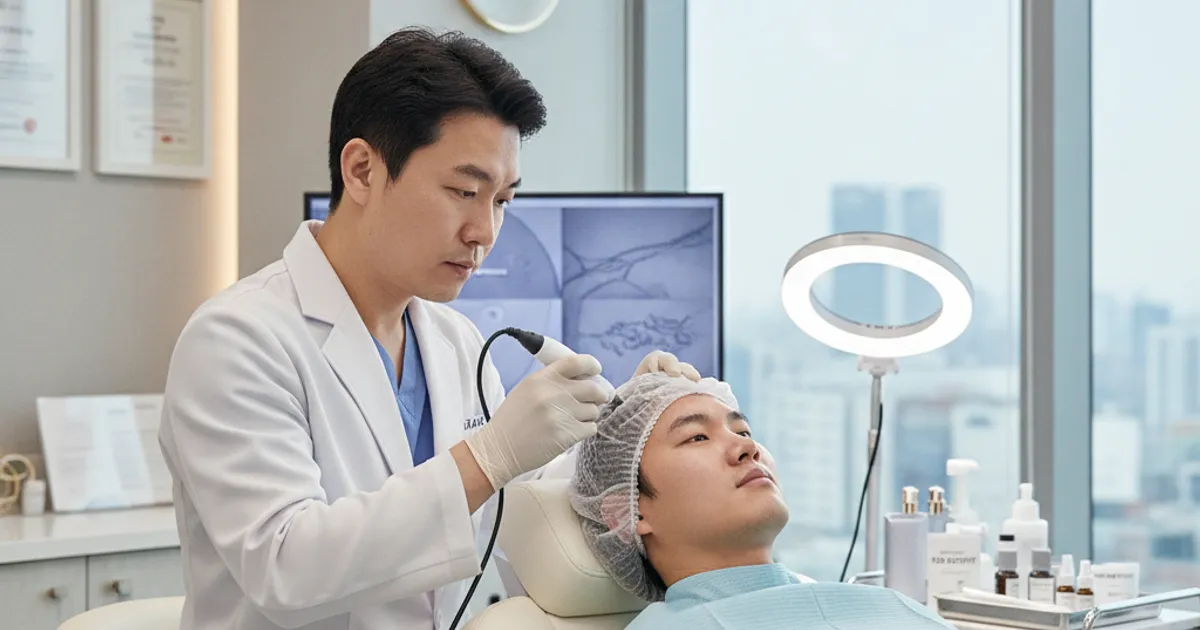
Microneedling for hair growth is a procedure that uses tiny needles to create controlled micro-injuries in the scalp. The idea is simple: by puncturing the skin at a shallow depth, you trigger the body's natural wound-healing response, which can stimulate blood flow, collagen production, and growth factor release around hair follicles. It is sometimes called collagen induction therapy or dermarolling when done at home. In a clinical setting, it is often combined with topical treatments like minoxidil or platelet-rich plasma (PRP) to improve absorption and results.
- In-office microneedling: performed by a dermatologist or trained clinician using a motorized pen or stamp device, typically with numbing cream.
- At-home dermarolling: uses a handheld roller with shorter needles, sold over the counter, intended for personal use between professional sessions.
- Depth matters: professional treatments usually go 0.5 mm to 2.5 mm deep, while home devices are typically 0.25 mm to 0.5 mm.
- Often paired with minoxidil, PRP, or other topicals to enhance penetration and efficacy.
How Microneedling Works to Stimulate Hair Follicles
The mechanism behind microneedling for hair is based on the body's response to controlled injury. When the skin is punctured, it releases growth factors like platelet-derived growth factor (PDGF) and vascular endothelial growth factor (VEGF). These factors can promote angiogenesis (new blood vessel formation) and activate stem cells in the hair follicle bulge. Over time, this may prolong the anagen (growth) phase of the hair cycle and increase follicle size.
- Triggers release of growth factors that support follicle health.
- Increases blood flow to the scalp, delivering more oxygen and nutrients.
- Enhances absorption of topical treatments like minoxidil by creating temporary micro-channels.
- May stimulate dormant hair follicles to enter the growth phase.
- Reduces collagen buildup around the follicle, which can contribute to miniaturization.
The Evidence: Does Microneedling Actually Grow Hair?
There is a growing body of research on microneedling for hair loss, though it is still not as robust as the evidence for minoxidil or finasteride. Most studies have looked at microneedling in combination with minoxidil or PRP, rather than as a solo treatment. Results are generally positive but vary. A commonly cited study found that participants who received weekly microneedling plus minoxidil saw greater hair count increases than those using minoxidil alone. However, many of these studies are small, and protocols differ, so it is hard to draw firm conclusions.
- Several small trials show improved hair density when microneedling is added to minoxidil.
- Evidence for microneedling as a standalone treatment is limited and mixed.
- Most studies focus on androgenetic alopecia; less is known about other types of hair loss.
- Long-term data on maintenance and safety is still lacking.
- Quality of evidence is moderate at best; more large, controlled trials are needed.
How to Use Microneedling: Frequency, Depth, and Technique
If you are considering microneedling, whether at home or in a clinic, the details matter. Frequency, needle depth, and technique all affect results and safety. In clinical settings, a dermatologist will tailor the protocol to your scalp condition and hair loss pattern. For home use, it is important to follow device instructions and not overdo it.
- In-office: typically every 2 to 4 weeks, with depths from 0.5 mm to 2.5 mm depending on the area and goal.
- At-home: usually once a week or every other week, with depths of 0.25 mm to 0.5 mm. Do not use longer needles at home.
- Always sanitize the device before and after use. Never share a dermaroller.
- Avoid applying irritating topicals immediately after microneedling unless directed by a doctor.
- Do not microneedle over active acne, infections, or broken skin.
| Setting | Typical Frequency | Needle Depth | Who Performs It |
|---|---|---|---|
| In-office | Every 2–4 weeks | 0.5–2.5 mm | Dermatologist or trained clinician |
| At-home | Once weekly or every other week | 0.25–0.5 mm | You, after reading instructions |
| Combination | In-office monthly, home weekly | Varies | Clinician + you |
Expected Results and Timeline
Results from microneedling for hair growth are not immediate. Hair grows slowly, and it takes time to see changes. Most people who respond will notice some improvement after 3 to 6 months of consistent treatment. The full effect may take 6 to 12 months. It is important to take photos before starting and at regular intervals to track progress objectively.
- Initial changes: reduced shedding may be noticed within 4–8 weeks.
- Visible regrowth: typically 3–6 months, though some may see earlier or later.
- Peak results: often around 6–12 months with ongoing treatment.
- Maintenance: results may fade if treatment is stopped, especially without other therapies.
- Individual response varies widely based on genetics, hair loss type, and adherence.
| Timeframe | What to Expect |
|---|---|
| 1–2 months | Possible reduction in shedding; little visible change |
| 3–6 months | Early signs of new hair growth; improved density in some areas |
| 6–12 months | More noticeable improvement; hair may appear thicker |
| Beyond 12 months | Maintenance needed to sustain results |
Side Effects and Risks
Microneedling is generally well tolerated when done correctly. Most side effects are mild and temporary. However, improper technique or overly aggressive treatment can lead to complications. It is important to use sterile equipment and follow aftercare instructions.
- Common: redness, mild swelling, and tenderness for a day or two.
- Less common: bruising, pinpoint bleeding, or temporary scalp irritation.
- Rare: infection, scarring, or hyperpigmentation, especially with poor hygiene or deep needles.
- Risk of hair breakage if rolling too aggressively over existing hair.
- Not recommended for people with active scalp infections, bleeding disorders, or certain skin conditions.
Who Is a Good Candidate for Microneedling?
Microneedling is not for everyone. It tends to work best for people with early to moderate androgenetic alopecia who still have active hair follicles. It may also be used for other types of hair loss, but evidence is weaker. A dermatologist can help determine if you are a suitable candidate based on your medical history and scalp examination.
- Good candidates: early-stage pattern baldness, thinning hair, or those wanting to enhance topical treatments.
- Less ideal: advanced baldness with no active follicles, scarring alopecia, or active scalp infections.
- Not recommended: pregnant or breastfeeding women (due to lack of safety data), people on blood thinners, or those with bleeding disorders.
- Always consult a doctor before starting, especially if you have any underlying health conditions.
Cost of Microneedling for Hair
The cost of microneedling for hair varies depending on whether you go to a clinic or do it at home, your location, and the number of sessions. In-office treatments are more expensive but are performed by professionals and often combined with other therapies. At-home devices are a one-time purchase but require you to do the treatment yourself. Below are average price ranges for in-office microneedling sessions in the United States. These are general estimates and not specific to any clinic.
| Treatment Type | Average Cost | Notes |
|---|---|---|
| In-office session (early stage) | $200–$400 | May be combined with minoxidil or PRP |
| In-office session (moderate) | $300–$600 | Often requires multiple sessions |
| In-office session (advanced) | $400–$800 | May need more frequent sessions |
| At-home dermaroller | $10–$30 | One-time purchase; replace regularly |
| At-home microneedling pen | $50–$200 | Reusable, but needles must be replaced |
Microneedling vs. Other Hair Loss Treatments
Microneedling is just one option among many for hair loss. How does it stack up against minoxidil, finasteride, PRP, and hair transplant surgery? Each has its own pros and cons, and the best choice depends on your goals, budget, and stage of hair loss.
| Treatment | How It Works | Evidence | Cost | Best For |
|---|---|---|---|---|
| Microneedling | Stimulates growth factors via micro-injuries | Moderate, often combined with other treatments | Low to moderate | Early to moderate thinning, adjunct therapy |
| Minoxidil | Vasodilator, prolongs growth phase | Strong | Low | Most types of pattern hair loss |
| Finasteride | DHT blocker | Strong | Low | Men with androgenetic alopecia |
| PRP | Growth factors from your own blood | Moderate | Moderate to high | Thinning hair, adjunct to other treatments |
| Hair Transplant | Moves hair follicles from donor area | Strong | High | Advanced baldness, permanent solution |
- Microneedling is often used alongside minoxidil or PRP, not instead of them.
- Minoxidil and finasteride have more robust evidence but can have side effects.
- PRP is more expensive and requires blood draws, but may be more effective than microneedling alone.
- Hair transplant is the only permanent solution for advanced hair loss, but it is costly and surgical.
Choosing a Clinic or Device: What to Look For
If you decide to try microneedling, you have two main paths: go to a clinic or do it at home. For in-office treatments, look for a qualified dermatologist or hair restoration specialist with experience in microneedling. For home use, choose a reputable device and follow instructions carefully. Always prioritize safety and hygiene.
- Check credentials: board-certified dermatologist or licensed clinician.
- Ask about needle depth and frequency for your specific condition.
- Ensure the clinic uses sterile, single-use needles or properly sterilized equipment.
- For home devices, look for adjustable depth and replaceable needle cartridges.
- Read reviews and ask for before-and-after photos, but be aware that results vary.
Frequently Asked Questions
Does microneedling really work for hair growth?
It can help, especially when combined with minoxidil or PRP. Studies show improved hair density in some people, but results vary. It is not a guaranteed cure and works best as part of a comprehensive treatment plan.
How often should I microneedle my scalp?
In-office treatments are typically done every 2 to 4 weeks. At-home dermarolling is usually once a week or every other week with shorter needles. Always follow the advice of a professional or device instructions.
Is microneedling safe to do at home?
Yes, if you use a clean device with short needles (0.25–0.5 mm) and follow proper hygiene. Never share your device, and do not use longer needles at home. If you have any scalp conditions, consult a doctor first.
How much does microneedling for hair cost?
In-office sessions typically range from $200 to $800 depending on the stage of hair loss and location. At-home devices cost $10 to $200. These are general estimates; actual prices vary by clinic and region.
More Guides
- Finasteride for Baldness: What It Can and Can't Do
Finasteride is a proven hair loss treatment, but it's not a cure. Learn how it works, dosage, side effects, and how it compares to other options.
- DHT-Blocking Shampoos: What Works and What's Marketing?
Do DHT-blocking shampoos really grow hair? We break down the science, evidence, usage, side effects, costs, and how they compare to other treatments.
- Clascoterone for Hair Loss: What the Research Shows
Clascoterone is a topical anti-androgen being studied for hair loss. Learn how it works, the evidence, how to use it, side effects, cost, and how it compares.
- Hims Minoxidil Spray: Ingredients, Results, and Cost
Hims Minoxidil Spray review: ingredients, how it works, results timeline, side effects, cost, and how it compares to other hair loss treatments.