
Does Microneedling Work for Hair Loss? A Complete Guide
Microneedling may boost hair growth when combined with minoxidil. Learn how it works, results, safety, and what to expect.
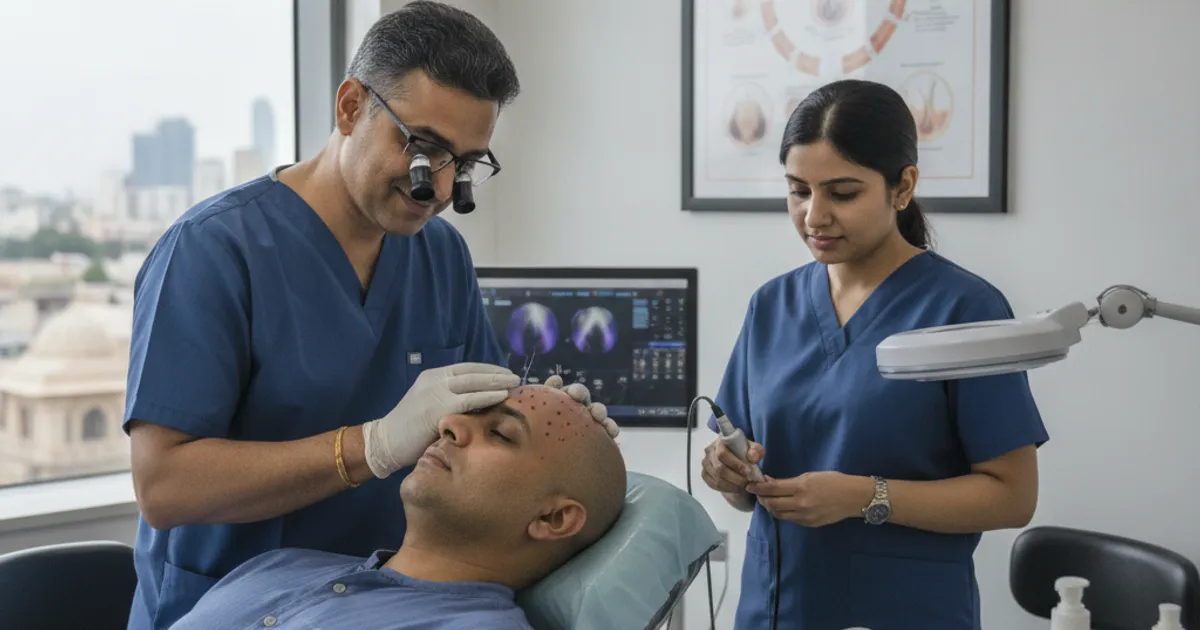
Does microneedling work for hair loss?
Yes, microneedling can work for hair loss, but it works best as a supporting treatment rather than a standalone cure. Studies show it can improve hair density and thickness when used alongside minoxidil, especially for androgenetic alopecia (male and female pattern hair loss). On its own, results are modest.
What is microneedling for hair loss?
Microneedling, also called collagen induction therapy, uses a device with tiny needles to create controlled micro-injuries on the scalp. These micro-injuries trigger the skin's natural healing response, which can stimulate blood flow and collagen production. For hair loss, the goal is to wake up dormant hair follicles and improve the scalp environment for growth.
- Uses fine needles to puncture the scalp superficially. Typical home devices use 0.5mm or less; clinical treatments may use up to 1.5mm or occasionally 2.5mm under professional supervision.
- Typically done with a derma roller or automated pen device
- Sessions last 10–20 minutes, depending on the area treated
- Can be done at home with a roller or in a clinic with a professional pen
- Often combined with minoxidil, PRP, or other topical solutions
How does microneedling stimulate hair growth?
The exact mechanism isn't fully understood, but several factors likely play a role. The micro-injuries cause a release of growth factors and increase blood circulation to the hair follicles. This can prolong the growth phase (anagen) and encourage thicker hair shafts. When paired with minoxidil, microneedling also helps the medication penetrate deeper into the scalp.
Microneedling vs minoxidil vs finasteride: how do they compare?
These three treatments work differently and are often used together. Minoxidil is a topical vasodilator that extends the growth phase. Finasteride is an oral medication that blocks DHT, the hormone responsible for pattern hair loss. Microneedling is a physical treatment that enhances absorption and stimulates the scalp. Here's how they stack up.
| Treatment | How It Works | Typical Results | Main Drawbacks |
|---|---|---|---|
| Microneedling | Creates micro-injuries to stimulate healing and blood flow | Modest improvement alone; better with minoxidil | Discomfort, risk of infection if not sterile |
| Minoxidil | Vasodilator that prolongs hair growth phase | Slows loss, regrows some hair in 3–6 months | Daily use, scalp irritation, initial shedding |
| Finasteride | Blocks DHT production | Slows loss, regrows hair in 6–12 months | Sexual side effects in some men, prescription needed |
What results can you realistically expect from microneedling?
Don't expect a full head of hair from microneedling alone. Most studies show it can increase hair count and thickness by a small to moderate amount, especially when combined with minoxidil. Results take time—usually 3 to 6 months of regular sessions. If you have advanced baldness, microneedling is unlikely to regrow hair on completely bald areas.
- Mild to moderate improvement in hair density and thickness
- Best results when combined with minoxidil or PRP
- Works better for early to moderate hair loss than advanced baldness
- Visible changes typically take 3–6 months
- Consistency is key—missed sessions reduce effectiveness
How often should you microneedle for hair loss?
Most protocols recommend microneedling once every 1 to 2 weeks. Doing it more often can irritate the scalp and cause damage. If you're using minoxidil, some guidance suggests applying it after microneedling to avoid stinging, but evidence is mixed—some experts advise waiting 24 hours to reduce the risk of systemic absorption. Talk to your doctor about the best timing for you. Here's a simple step-by-step routine.
Is microneedling for hair loss safe?
For most people, microneedling is safe when done correctly with sterile equipment. Side effects are usually mild and temporary. However, if you have a scalp infection, skin condition, or are on blood thinners, check with a doctor first. At-home devices can cause problems if you reuse needles without disinfecting or press too hard.
- Common side effects: redness, mild swelling, tenderness for a few hours
- Risk of infection if device is not sterile
- Can cause scarring if needles are too long or used too aggressively
- Not recommended for active scalp infections or open wounds
- Consult a dermatologist if you have a bleeding disorder or are on anticoagulants
How much does microneedling for hair loss cost?
Costs vary depending on whether you do it at home or in a clinic, and how many sessions you need. At-home derma rollers are relatively inexpensive, while professional microneedling sessions cost more per treatment. Packages of multiple sessions often offer a lower per-session price. Below are average case prices for hair transplant procedures, which some people consider alongside microneedling for advanced loss.
Where can you get microneedling for hair loss?
You can do microneedling at home with a derma roller or pen, but for best results and safety, many people choose a clinic. Dermatologists, trichologists, and hair restoration clinics offer professional microneedling, often combined with PRP or minoxidil. If you're considering a clinic, check our directory for providers near you.
Frequently asked questions about microneedling for hair loss
Can microneedling regrow hair on a bald spot?
Microneedling is unlikely to regrow hair on completely bald, shiny areas where follicles are dead. It works best on thinning areas where follicles are still alive but dormant.
How long does it take to see results from microneedling?
Most people notice some improvement after 3 to 6 months of regular sessions. Results are gradual and depend on consistency and whether you combine it with other treatments.
Is microneedling better than minoxidil?
No, minoxidil has stronger evidence for hair regrowth. Microneedling is best used as an add-on to minoxidil, not a replacement.
Can I microneedle every day?
No. Once every 1 to 2 weeks is enough. Daily use can damage your scalp and increase infection risk.
More Guides
- Hair Transplant and Blood Thinners: Safety and Timing
Can you have a hair transplant on blood thinners? Learn why they matter, which ones raise bleeding risk, how long to stop before surgery, and when to restart.
- Finasteride and PSA Testing: What You Need to Know
Finasteride lowers PSA levels, so your test results need careful interpretation. Learn how finasteride affects PSA, the adjustment factor, and what to tell your
- Can You Cure a Receding Hairline? What's Realistic
Can you cure a receding hairline? Learn what's realistic with medications, transplants, and lifestyle changes, plus expected results and costs.
- Minoxidil Hair Thinning Before Growth: Is It Normal?
Is minoxidil hair thinning before growth normal? Yes, it's a common sign the treatment is working. Learn why it happens, how long it lasts, and when to worry.