
Scalp Micropigmentation vs Hair System: Which Is Better?
Scalp micropigmentation vs hair system compared: cost, results, recovery, pain, and suitability. Find out which option fits your hair loss stage.
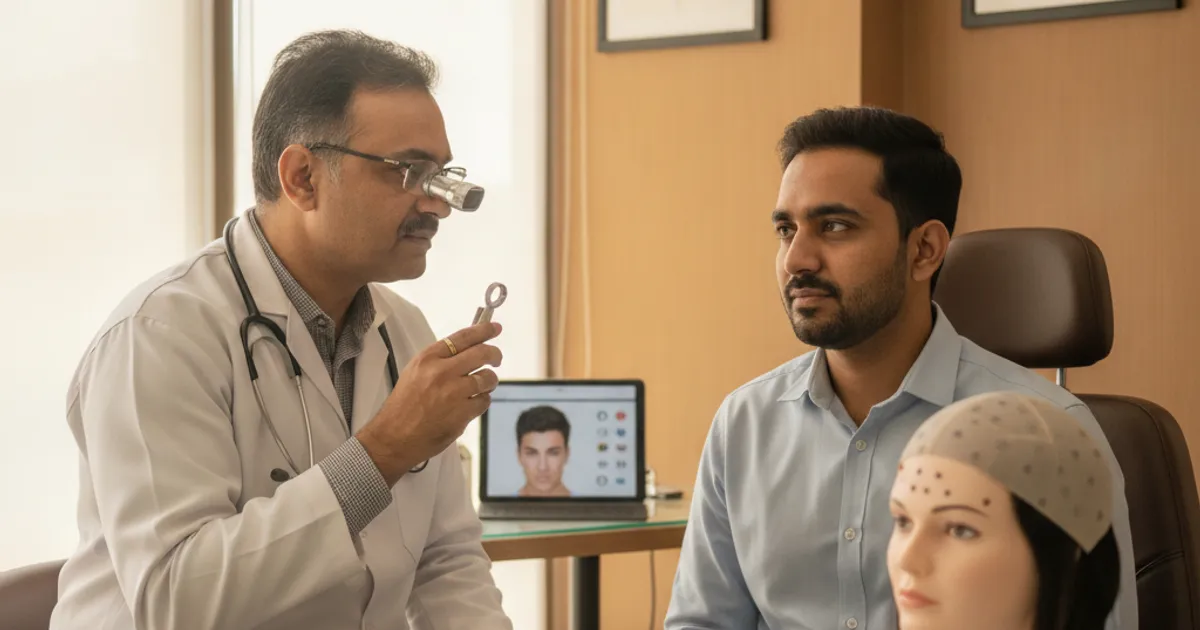
If you want a quick answer: scalp micropigmentation (SMP) is usually the better choice for people who want a low-maintenance, permanent-looking shaved-head look, while a hair system suits those who want the appearance of a full head of hair and don't mind ongoing upkeep and replacement costs. The right pick depends on your hair loss pattern, budget, lifestyle, and how much maintenance you're willing to take on.
What Is Scalp Micropigmentation?
Scalp micropigmentation is a non-surgical procedure where a trained technician uses a fine needle to deposit pigment into the upper layer of the scalp. The result mimics tiny hair follicles, creating the look of a closely shaved head or adding density to thinning areas. It's often used for receding hairlines, crown thinning, and scarring from previous transplants or injuries. Sessions typically take a few hours, and most people need two to four sessions spaced a week or two apart.
- Non-surgical, no incisions or stitches
- Results look like a shaved head or added density
- Pigment fades over time and needs touch-ups every few years
- Works for many types of hair loss, including alopecia and scarring
- No donor hair required
What Is a Hair System?
A hair system is a custom-made hairpiece that's attached to your scalp using adhesive or tape. It can be made from real human hair, synthetic fibers, or a blend. Unlike a wig, a hair system is designed to be worn for weeks at a time and can be styled, washed, and cut. It covers bald or thinning areas and can be matched to your natural hair color and texture. Maintenance involves reattachment every few weeks and replacing the unit every few months.
- Non-surgical and reversible
- Immediate full coverage and styling options
- Requires regular reattachment and cleaning
- Units need replacing every few months
- Can be expensive over the long term
Key Differences: SMP vs Hair System
The biggest differences come down to maintenance, look, and longevity. SMP is a tattoo-like procedure that fades but doesn't need daily care. A hair system is a wearable product that needs ongoing upkeep and replacement. SMP gives a shaved-head aesthetic; a hair system gives the appearance of growing hair. Neither is permanent in the way a hair transplant is, but SMP lasts longer between maintenance visits.
| Factor | Scalp Micropigmentation | Hair System |
|---|---|---|
| Type | Non-surgical pigment procedure | Custom hairpiece attached to scalp |
| Look | Shaved head or added density | Full head of hair, styleable |
| Maintenance | Touch-ups every few years | Reattachment every few weeks, replacement every few months |
| Pain | Mild discomfort, numbing cream used | No pain during wear, but adhesive can irritate |
| Suitability | Most hair loss types, including scarring | Best for those wanting coverage and styling |
| Reversibility | Fades over time, not fully reversible | Fully reversible, can remove anytime |
Cost: SMP vs Hair System
Costs vary widely by location, provider experience, and the size of the area treated. SMP is usually a one-time cost with occasional touch-ups, while hair systems have upfront and ongoing costs. Because specific price ranges depend on many factors and aren't available in our current database, we recommend getting personalised quotes from providers in your area. The table below outlines the cost structure rather than exact figures.
| Cost Factor | Scalp Micropigmentation | Hair System |
|---|---|---|
| Initial cost | One-time procedure fee (varies by clinic) | First unit and fitting (varies by clinic) |
| Ongoing cost | Touch-ups every few years | Replacement and maintenance every few months |
| Total first-year cost | Initial procedure cost | Initial unit plus maintenance |
| Long-term cost (5 years) | Initial cost plus occasional touch-ups | Multiple replacements and ongoing maintenance |
Results and Recovery
SMP results are visible immediately after each session, though the pigment settles and darkens over a week or two. Recovery is minimal — mild redness and sensitivity for a few days. Hair systems give instant results the moment they're fitted, but the scalp needs to breathe, and some people experience irritation from adhesives. Neither option involves the downtime of a surgical transplant.
| Aspect | Scalp Micropigmentation | Hair System |
|---|---|---|
| Results visible | Immediately, fully after 2–4 sessions | Immediately after fitting |
| Recovery time | 1–3 days of mild redness | None, but scalp needs breaks |
| Durability | Fades over time | Unit lasts a few months |
| Natural look | Very natural for shaved look | Can look natural if well-matched |
| Risks | Infection, pigment migration, fading | Adhesive irritation, traction alopecia |
Which Option Is Right for You?
Your choice depends on your hair loss stage, lifestyle, and what look you want. Here's a quick guide:
- Choose SMP if you want a low-maintenance, permanent-looking shaved head, have a busy lifestyle, or want to cover scars.
- Choose a hair system if you want the appearance of a full head of hair, enjoy styling, and don't mind regular maintenance.
- Consider SMP if you're not ready for surgery but want a subtle density boost.
- Consider a hair system if you have extensive baldness and want immediate coverage without surgery.
- If you want a permanent solution with your own hair, a hair transplant may be worth exploring — see our guide to hair transplant options.
Choosing a Clinic or Provider
For SMP, look for a provider with a strong portfolio of healed results and proper licensing. For hair systems, find a specialist who offers custom fitting and quality units. Always check reviews, ask for before-and-after photos, and book a consultation. Clinic Reccy lists verified providers for both options — start by browsing our directory.
Frequently Asked Questions
Is SMP better than a hair system?
It depends on your goals. SMP is lower maintenance and cheaper long-term, but a hair system gives you a full head of hair you can style. Neither is objectively better — choose based on your lifestyle and desired look.
How long does SMP last compared to a hair system?
SMP fades over a few years and needs touch-ups. A hair system unit lasts a few months before replacement, with reattachment every few weeks.
Can I switch from a hair system to SMP?
Yes, many people switch. You'll need to let your scalp recover from adhesive use, and a provider can assess whether SMP will work for your hair loss pattern.
Does SMP hurt?
Most people report mild discomfort, similar to a tattoo. Numbing cream is often used to keep it manageable.
More Guides
- Clascoterone vs Minoxidil: Which Is Better for Hair Loss?
Clascoterone vs minoxidil: compare how they work, costs, results, and side effects to decide which hair loss treatment suits you best.
- Finasteride 5 mg vs 1 mg: Which Dose Works for Hair?
Finasteride 5 mg vs 1 mg for hair loss: compare effectiveness, side effects, cost, and which dose makes sense for you. Get the facts before you decide.
- Beard Transplant vs Scalp Transplant: A Complete Guide
Compare beard vs scalp transplants: costs, recovery, results, pain, and candidacy to decide which hair restoration procedure fits your goals.
- Hair Transplant vs Medication: Which Is Better for You?
Compare hair transplant vs medication for hair loss. Learn costs, results, recovery, and which option suits early, moderate, or advanced balding.