
Unshaven FUE vs Standard FUE: Which Is Better?
Compare unshaven FUE vs standard FUE hair transplants: costs, recovery, results, and which procedure suits your hair loss stage and lifestyle.
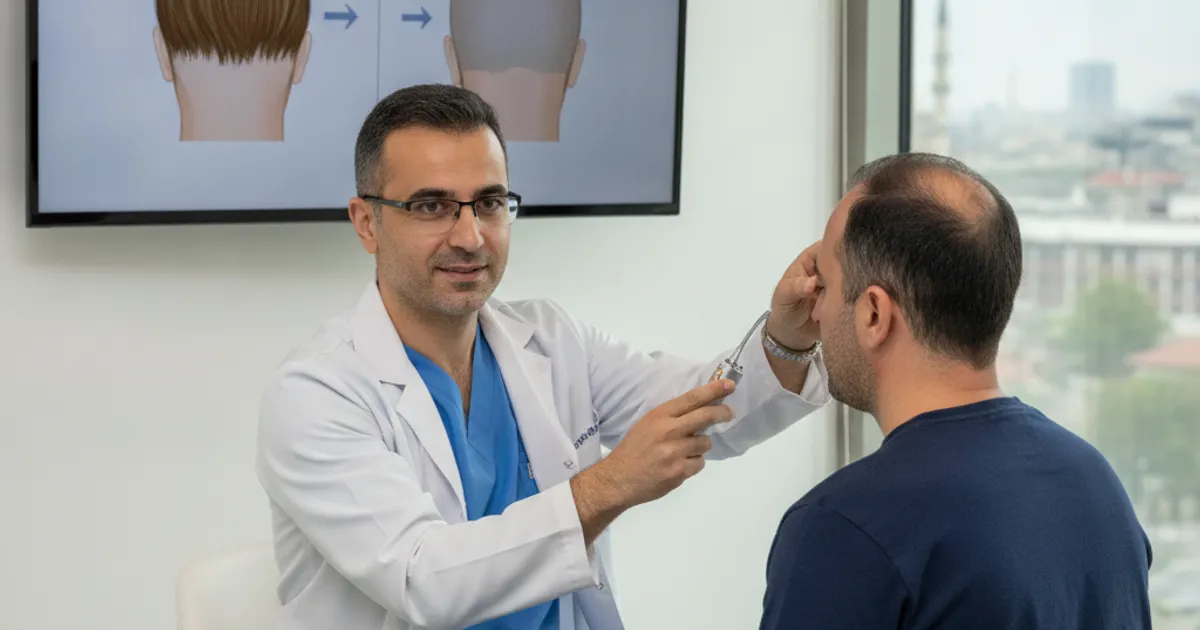
If you want to avoid the shaved-head look after a hair transplant, unshaven FUE is the better choice. If you want the most proven, cost-effective option with the widest clinic availability, standard FUE wins. Both use the same follicular unit extraction technique — the difference is whether your donor and recipient hair gets shaved.
What Is Standard FUE?
Standard FUE (follicular unit extraction) is the traditional form of the procedure. The surgeon shaves the donor area — usually the back and sides of the scalp — to a very short length, then extracts individual hair follicles using a small punch tool. The recipient area may also be shaved or trimmed depending on the clinic and the number of grafts. The shaved donor area makes it easier for the surgeon to see and extract follicles cleanly, which is one reason it remains the most widely performed version of FUE worldwide.
- Donor area shaved short before extraction
- Recipient area may be shaved or left partially long depending on graft count
- Widely available at most clinics, including budget-friendly options
- Generally the lowest-cost FUE variant
- Easier for surgeons to achieve consistent graft quality
What Is Unshaven FUE?
Unshaven FUE — sometimes called no-shave FUE or long-hair FUE — skips the full shave. The surgeon works around your existing hair length, trimming only small sections where needed. This means you can walk out of the clinic without an obvious shaved donor strip or a shaved recipient zone. It's popular with people who haven't told anyone they're getting a transplant, or who need to return to work quickly without questions.
- Donor and recipient hair left long; only small patches trimmed
- No visible shaved strip after the procedure
- Easier to conceal the transplant during the first few weeks
- Takes longer to perform — more careful maneuvering around existing hair
- Usually costs more than standard FUE
Key Differences Between Unshaven FUE and Standard FUE
The core technique is identical — both extract individual follicles. The differences come down to visibility, procedure time, cost, and how quickly you can return to normal life without people noticing. Here's how they stack up side by side.
| Factor | Standard FUE | Unshaven FUE |
|---|---|---|
| Donor area | Shaved short | Left long, small trims only |
| Recipient area | Often shaved | Usually left long |
| Procedure time | Faster | Longer (more careful work) |
| Visibility after | Obvious for 1–2 weeks | Minimal if styled carefully |
| Cost | Lower | Higher (premium) |
| Clinic availability | Very wide | Fewer clinics offer it |
| Graft quality | Excellent | Excellent (in skilled hands) |
| Best for | Most patients | Discreet recovery, public-facing jobs |
Cost: Unshaven FUE vs Standard FUE
Unshaven FUE typically costs more than standard FUE at the same clinic, because it takes longer and demands more surgeon attention. The exact price depends on your stage of hair loss and the number of grafts needed. Here's how costs break down by stage.
These ranges reflect typical global averages. Clinics in Turkey, Mexico, and parts of Eastern Europe tend to be cheaper, while the US, UK, and Australia are more expensive. Always get a personalised quote based on your graft count.
Results and Recovery: What to Expect
Graft survival and final density are comparable between the two when performed by a skilled surgeon. The main difference is the recovery experience — specifically how visible the procedure is in the first two weeks.
- Standard FUE: donor and recipient areas visibly shaved for 1–2 weeks; scabs form and shed around day 7–10
- Unshaven FUE: existing hair covers the donor and recipient zones; less obvious to others
- Both: shock loss (temporary shedding) can occur in weeks 2–6
- Both: new growth starts around month 3–4; full results at 12–18 months
- Unshaven FUE: requires a skilled surgeon to avoid graft damage — choose carefully
Which Procedure Is Right for You?
There's no universal winner. The right choice depends on your budget, how discreet you need to be, and what clinics are available near you.
- Choose unshaven FUE if: you have a public-facing job, haven't told anyone about the procedure, or want minimal visible downtime
- Choose standard FUE if: you want the lowest cost, the widest clinic choice, or you're not worried about people noticing
- Consider either if: you have long enough donor hair to cover the recipient area — unshaven works best with medium to long hair
- Skip unshaven if: you have very short hair or a buzz cut — there's nothing to hide behind
FAQ: Unshaven FUE vs Standard FUE
Is unshaven FUE more painful than standard FUE?
No. Pain levels are similar. Both use local anesthesia, and most patients report mild discomfort during recovery rather than significant pain. The difference is visibility, not pain.
Can I get the same number of grafts with unshaven FUE?
Yes, in most cases. Experienced surgeons can extract just as many grafts with unshaven FUE. However, very large sessions may take longer and some clinics prefer a partial shave for efficiency.
How soon can I go back to work after unshaven FUE?
Many people return to office work within a few days because the procedure is less visible. Standard FUE usually requires about a week before the shaved areas look presentable.
Does unshaven FUE cost more everywhere?
Not universally, but it's typically priced higher than standard FUE at the same clinic. Some clinics charge the same rate regardless of shaving — always ask for a quote for both.
More Guides
- Clascoterone vs Minoxidil: Which Is Better for Hair Loss?
Clascoterone vs minoxidil: compare how they work, costs, results, and side effects to decide which hair loss treatment suits you best.
- Finasteride 5 mg vs 1 mg: Which Dose Works for Hair?
Finasteride 5 mg vs 1 mg for hair loss: compare effectiveness, side effects, cost, and which dose makes sense for you. Get the facts before you decide.
- Beard Transplant vs Scalp Transplant: A Complete Guide
Compare beard vs scalp transplants: costs, recovery, results, pain, and candidacy to decide which hair restoration procedure fits your goals.
- Hair Transplant vs Medication: Which Is Better for You?
Compare hair transplant vs medication for hair loss. Learn costs, results, recovery, and which option suits early, moderate, or advanced balding.